The Development of Bronze Mirrors in Ancient China: Reflecting History and Society
|
Bronze mirrors in ancient China were not simply utilitarian objects for reflection; they were symbols of status, artistry, and spiritual beliefs. The evolution of bronze mirrors reflects the technological advancements, aesthetic preferences, and societal changes that took place throughout Chinese history. The development of these mirrors provides a valuable insight into ancient Chinese culture. 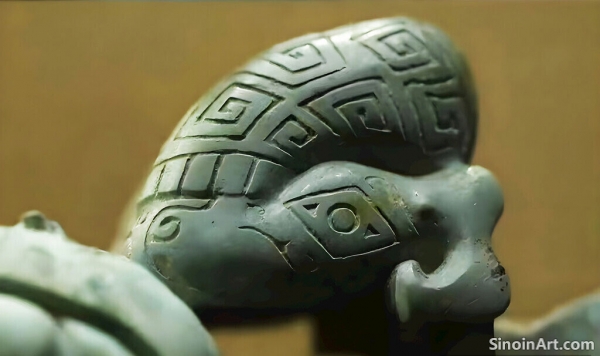 Early bronze mirrors were often small and simple, with designs featuring geometric patterns or representations of mythical creatures, with different patterns and symbols used in different eras. As casting techniques improved, mirror designs became more complex and intricate, with elaborate borders and finely detailed decorations. The evolution of these objects provides a valuable insight into the development of ancient Chinese metalworking.  Bronze mirrors were often used in ritualistic settings, associated with both the living world and the world of the spirits. Mirrors were seen as symbols of light and clarity and were often used in ceremonial and religious contexts. The spiritual importance of mirrors was reflected in their designs and use.  Beyond their ritualistic use, bronze mirrors were also important items of personal adornment and were often gifted to convey friendship and respect. The act of gifting mirrors became an important cultural practice. Mirrors were an important element of social life in ancient China. The study of Chinese bronze mirrors provides valuable insights into the material culture, social practices, and artistic sensibilities of ancient China. The continued study of these artifacts helps to tell us more about the history of Chinese culture. They serve as a window into the world of those who lived long ago. |
Tag : Chinese bronze mirrors, ancient mirrors, ritual objects, Chinese art, artifact history
Related information
- The Use of Bronze in Ancient Chinese Transportation: Chariot Decoration and the Display of Power
- The Future of Chinese Bronze Ware: New Discoveries, Research, and Interpretations
- Bronze Ware and the Development of Chinese Writing: An Intertwined History
- Bronze Ware and the Development of Ancient Chinese Music Theory: The Use of Scales, Intervals, and Tuning
- Chinese Bronze Ware in Global Collections: A Transcultural Perspective
This article explores the use of bronze in ancient Chinese chariot decoration, highlighting its role in communicating power and status, the visual symbolism used, and how these decorative elements enhanced both the aesthetic appeal and also the political message of these important vehicles of transport.
This article explores the future of Chinese bronze ware studies, highlighting the potential for new discoveries, the use of advanced scientific techniques, new theoretical approaches, and how ongoing research will continue to enrich our understanding of these remarkable artifacts.
This article explores the intertwined history of bronze ware and the development of Chinese writing, highlighting the earliest forms of writing on bronze, the evolution of script styles, and the role of inscriptions in preserving history and culture.
This article explores the influence of bronze ware on the development of ancient Chinese music theory, focusing on how the precise tuning of instruments led to a greater understanding of scales, intervals, harmony, and the overall structure of musical forms.
This article explores the global distribution of Chinese bronze ware, highlighting its presence in museums and collections worldwide, the history of collecting, and the value of a transcultural perspective in understanding their significance.