The Taotie Motif: Unraveling the Mystery of the Shang Bronze Beast
|
The taotie (饕餮) motif is arguably the most distinctive and enigmatic design element found on Shang Dynasty bronze ware. This composite creature, often depicted with bulging eyes, sharp fangs, and a prominent jaw, appears across a variety of vessels and objects. Its significance and symbolic meaning have fascinated scholars and art enthusiasts for generations. Unraveling the mystery of the taotie reveals a great deal about the Shang world view. 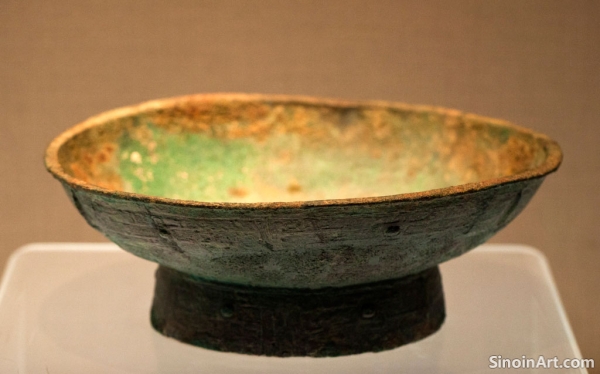 The taotie is not a representation of a specific animal; instead, it is a composite being, combining features from various creatures. It often includes the eyes of a beast, the jaws and teeth of a predator, and the horns or ears of a bull or ram. The mix of animal characteristics and features adds to the mystery and overall power of the motif. 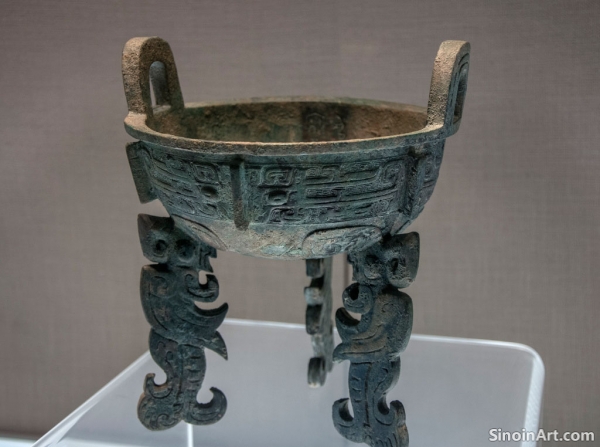 Various interpretations of the taotie have been proposed, including a symbol of power, protection, and sacrifice. Some scholars believe it represents a primordial force or a guardian spirit, while others see it as a manifestation of the ancestors. The different interpretations of the motif highlight its powerful and complex symbolism. The different approaches to understanding the motif allow for deeper engagement with the bronze ware. 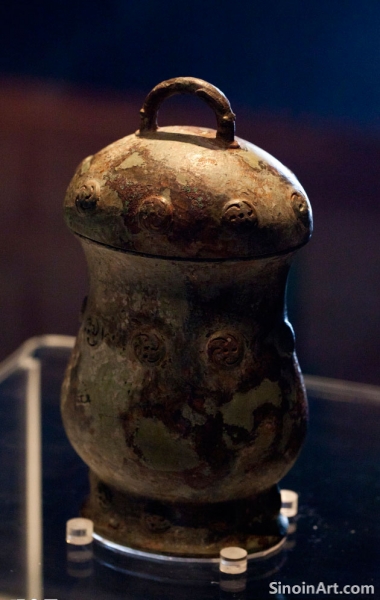 The taotie motif, although most prevalent during the Shang Dynasty, continued to appear in later periods, albeit with slight variations in style and form. The continued use of the taotie shows its enduring symbolic importance. The variation of form over time shows an evolving interpretation of the symbols. The study of the taotie motif not only enhances our understanding of Shang Dynasty bronze ware but also offers a window into the religious beliefs and worldview of the time. It reminds us of the power of symbolism and how imagery can be used to convey complex ideas and beliefs. The taotie is one of the most important symbols from the ancient Chinese world. |
Tag : taotie motif, Shang Dynasty, bronze symbolism, Chinese mythology, ancient art
Related information
- Bronze Ware and the Development of Ancient Chinese Ceramics: Form and Decoration
- The Evolution of Bronze Decoration: From Simple Lines to Complex Narratives
- Preserving Chinese Bronze Ware: Challenges and Methods of Conservation
- Bronze Ware and Ancient Chinese Medicine: Tools and Beliefs About Health
- The Art of Bronze Casting: Techniques and Innovations in Ancient China
This article explores the influence of bronze ware on the development of ancient Chinese ceramics, highlighting the replication of bronze forms and decorative patterns, the adaptation of metalworking techniques, and demonstrating the cross-pollination of these two art forms.
This article explores the evolution of bronze decoration, highlighting the shift from simple geometric patterns to more complex motifs and narratives, showcasing the technical and artistic development of ancient Chinese bronze workers.
This article discusses the challenges and methods of conserving Chinese bronze ware, highlighting the vulnerability to corrosion, the specific techniques used for cleaning and preservation, and the overall importance of safeguarding these artifacts for the future.
This article explores the use of bronze in ancient Chinese medicine, highlighting the creation of surgical instruments, diagnostic tools, and vessels used for herbal remedies, and revealing the intersection of metallurgy and medical practices.
This article explores the art of bronze casting in ancient China, highlighting the development of techniques like piece-mold casting and the lost-wax method, and emphasizing the control of alloys, temperature, and the innovations of ancient metalworkers.