Preserving Chinese Bronze Ware: Challenges and Methods of Conservation
|
The preservation of Chinese bronze ware is a significant undertaking, requiring specialized techniques and careful environmental controls. These ancient artifacts, which are often thousands of years old, are susceptible to corrosion and other forms of deterioration. The careful preservation of these pieces ensures that they will continue to be appreciated in the future. 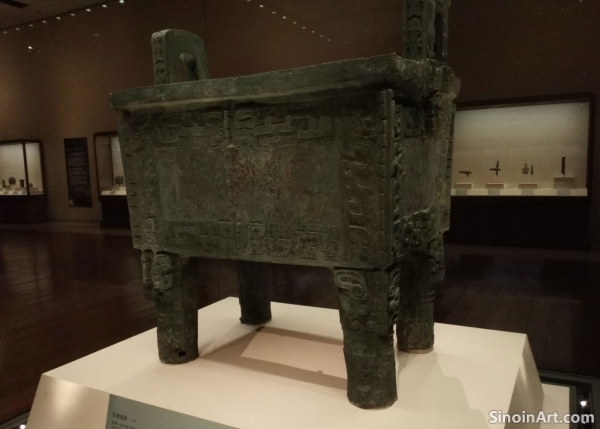 Bronze artifacts are particularly vulnerable to corrosion, a chemical process caused by moisture, salts, and other environmental factors. Conservation efforts are focused on preventing further deterioration and stabilizing the objects for long-term preservation. The preservation of these pieces is essential to ensure their survival. 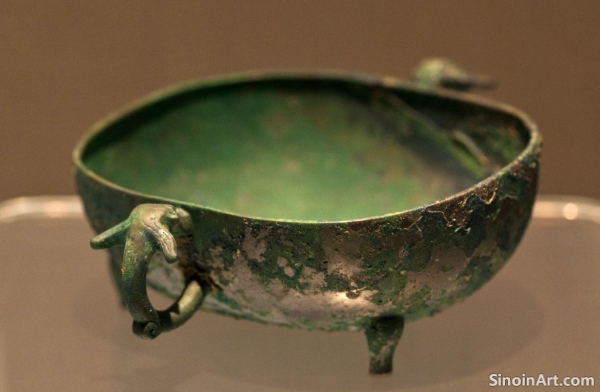 Methods of conservation include cleaning the bronze ware using specialized tools and chemicals, applying protective coatings, and storing the objects in climate-controlled environments to prevent further damage. The careful management of these artifacts is essential to their longevity. The careful preservation of the pieces helps to make them accessible for many years to come. 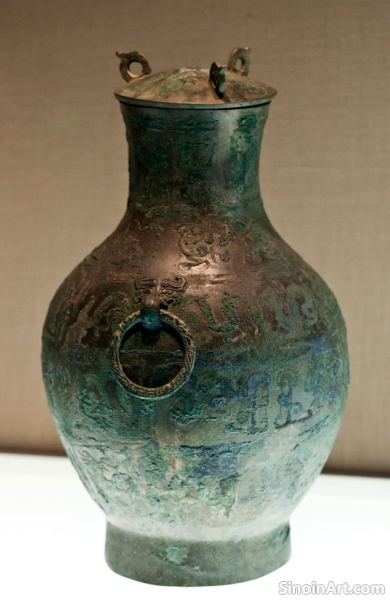 The conservation of Chinese bronze ware also involves ongoing research and development of new techniques and materials. The continual work to enhance conservation techniques helps to further improve the preservation of these important artifacts. By preserving these artifacts, we help to ensure that the cultural heritage and historical legacy of ancient China is passed down to future generations. The effort to preserve these ancient artifacts will help to inspire future generations. The careful conservation of these objects helps to ensure the longevity of their beauty and meaning. |
Tag : bronze conservation, artifact preservation, Chinese bronzes, museum conservation, metal conservation
Related information
- The Enduring Legacy of Chinese Bronze Ware: A Timeless Art Form and Cultural Treasure
- The Archaeological Significance of Chinese Bronze Ware: Discoveries and Insights
- Bronze Ware and the Development of Ancient Chinese Cartography: Surveying Tools and Geographic Understanding
- The Use of Bronze in Ancient Chinese Musical Instruments: Stringed Instruments and Percussion
- The Influence of Ancient Chinese Bronze Ware on Modern Design Aesthetics: Form, Function, and Beauty
This article reflects on the enduring legacy of Chinese bronze ware, highlighting their combination of technical skill, artistic beauty, and historical significance, their power to tell stories from the past, and the importance of their preservation for future generations.
This article explores the archaeological significance of Chinese bronze ware, highlighting the discoveries at various sites, the insights gained into ancient society, metallurgy, trade, and the overall contribution to our understanding of early China.
This article explores the use of bronze in ancient Chinese cartography, highlighting its role in creating surveying tools, mapping instruments, and its connection to the accurate measurement and mapping of the ancient landscape.
This article explores the diverse use of bronze in ancient Chinese musical instruments, highlighting its role in creating components for stringed instruments, percussive elements, and how it shaped the musical landscape of ancient China beyond bells and chimes.
This article explores the influence of ancient Chinese bronze ware on modern design aesthetics, highlighting how contemporary designers draw inspiration from its forms, patterns, techniques, and its continued relevance in diverse creative fields.