Bronze Ware and Ancient Chinese Medicine: Tools and Beliefs About Health
|
While bronze is primarily known for its use in ritual objects, warfare, and the arts, it also played a role in ancient Chinese medicine, used to create tools, instruments, and implements, and helping to shape a new understanding of health and wellbeing. The use of these tools highlights the intersection of ancient medicine with ancient metallurgy.  Bronze was used to create specialized tools for surgical procedures, including needles, scalpels, and probes, reflecting the ancient Chinese understanding of human anatomy and their early attempts at surgical intervention. These instruments demonstrate both an understanding of medicine and also a mastery of the metalworking arts. 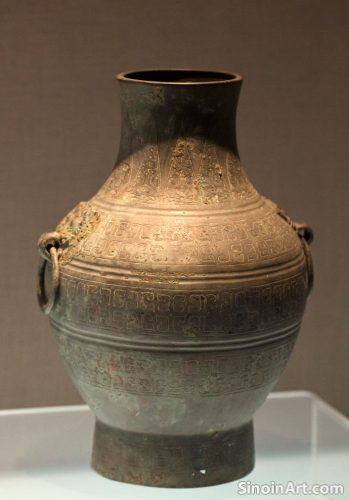 Bronze was also used to create instruments for diagnostic purposes, such as acupuncture needles and other specialized implements, which were all carefully crafted and designed for specific medical procedures. These instruments reflect a deep knowledge of both the human body and the use of metal for healing purposes.  Bronze vessels were sometimes used in the preparation of herbal remedies, highlighting the connection between bronze, herbalism, and the creation of medicinal preparations. The use of specific metals in the preparation of medicine was seen to enhance their efficacy. The study of bronze in the context of ancient Chinese medicine reveals a complex and intertwined relationship between technology, belief systems, and the pursuit of health and well-being. The combination of practical considerations and metaphysical beliefs was a common element in ancient Chinese medicine. |
Tag : bronze medicine, Chinese ancient tools, acupuncture, medical instruments, ancient health
Related information
- The Bronze Bells of Ancient China: Harmony and Power in Sound
- Bronze Ware and Ancient Chinese Concepts of the Cosmos: Heaven, Earth, and Humanity
- Bronze Mirrors and Ancient Chinese Beliefs About the Soul: Reflection and Transformation
- A Guide to Further Study: Navigating the World of Chinese Bronze Ware Resources
- The Enduring Allure of Chinese Bronze Ware: A Source of Inspiration and Study
This article explores the bronze bells of ancient China, highlighting their role as ritual instruments, their sophisticated construction, their use in sets (bianzhong), and their importance as symbols of power and harmony in Chinese culture.
This article explores the connection between bronze ware and ancient Chinese concepts of the cosmos, highlighting the use of celestial symbols, the representation of the relationship between Heaven, Earth, and humanity, and revealing the cosmological worldview of the ancient Chinese.
This article explores the connection between bronze mirrors and ancient Chinese beliefs about the soul, highlighting their role as guides in the afterlife, their association with spiritual transformation, and the belief that they could capture and preserve the soul's essence.
This article provides a guide to further study on Chinese bronze ware, highlighting academic journals, museum websites, online collections, and books, and providing a roadmap for continued exploration and research into this fascinating area of art and culture.
This article reflects on the enduring allure of Chinese bronze ware, highlighting its technical skill, artistic beauty, historical significance, and the importance of its study and preservation for future generations.