The Symbolism of Gongbi: Decoding the Language of the Brush
|
Gongbi paintings are not just beautiful images; they are often rich with symbolism, deeply rooted in Chinese culture and tradition. Understanding these symbolic elements is key to appreciating the deeper meaning behind the meticulous details and vibrant colors. Every element, from the choice of subject matter to the colors used, is intentional, often conveying specific messages and auspicious meanings. The painting becomes a visual language, communicating subtle nuances and cultural values. 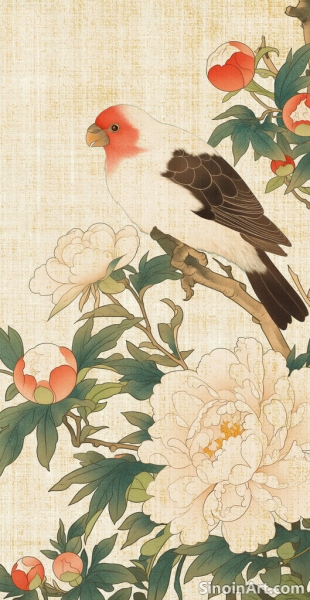 Flowers and plants are prominent subjects in Gongbi painting, each bearing a unique symbolic meaning. For instance, the lotus flower, often depicted in its full glory, represents purity and enlightenment. The peony, with its rich, vibrant blooms, symbolizes wealth and prosperity. Bamboo, often depicted swaying gracefully, represents resilience and humility. Even the simple plum blossom, braving the winter cold, symbolizes perseverance and courage. The artist carefully chooses the subject based on the message they wish to convey. 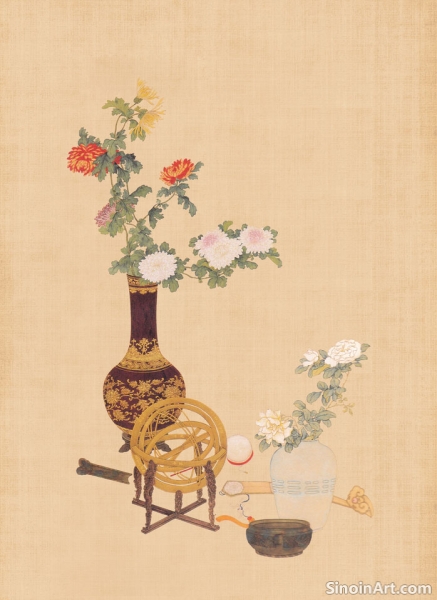 Animals, like flowers, are also laden with symbolism in Gongbi painting. The dragon, a mythical creature, represents power and imperial authority. The phoenix, another mythical bird, symbolizes rebirth and immortality. Cranes, often depicted with elegant grace, are symbols of longevity and happiness. Each animal, whether real or mythical, has its place within the symbolic language of the painting. The placement and attitude of these creatures enhance their symbolic expression. 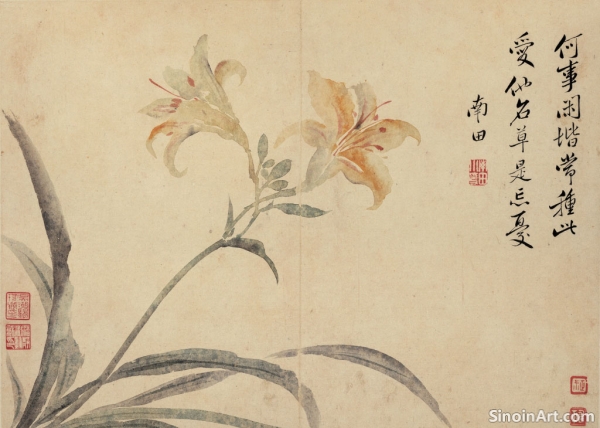 Colors, too, play a crucial role in the symbolic language of Gongbi painting. Red, a vibrant and auspicious color, represents good fortune, joy, and celebration. Yellow, often associated with royalty, symbolizes power, prosperity, and wisdom. Green represents growth, harmony, and nature, while blue conveys peace and serenity. The artist strategically uses color to further enhance the underlying messages and emotions within the artwork. Beyond individual elements, the overall composition of a Gongbi painting can also be symbolic. The use of negative space, often referred to as ‘white space,’ can convey a sense of vastness or emptiness, and it can also highlight the importance of the central subject. The way elements are arranged within the composition can also tell a story or create a narrative, encouraging viewers to look deeper into the painting's meaning. By understanding the rich symbolism within Gongbi paintings, viewers can appreciate them on a deeper, more meaningful level. It is not just a visual experience but a journey into the heart of Chinese culture and tradition. This symbolic language adds layers of meaning that elevate the art form beyond mere representation. |
Tag : Symbolism in Gongbi, Chinese Art Symbols, Flower Symbolism, Animal Symbolism, Color Symbolism
Related information
- Gongbi and the Depiction of Water: Flow, Reflection, and Atmosphere
- Gongbi and the Representation of Textiles and Patterns
- The Future of Gongbi: Digital Tools and Traditional Techniques
- Gongbi and the Art of Botanical Illustration
- The Delicate Dance of the Brush: An Introduction to Gongbi
The depiction of water, with all its fluidity, dynamism, and reflective qualities, is a significant element in many Gongbi paintings. Artists employ a variety of techniques to capture the movement, texture, and atmospheric effects of water, ranging from still ponds and meandering streams to rushing waterfalls and expansive seas. The depiction of water is often a central element of a successful composition, adding depth and beauty to a piece.
This article explores the meticulous representation of textiles and patterns in Gongbi painting, highlighting the detailed linework, color variations, and how these elements convey texture, volume, and contribute to the overall narrative of the artwork.
This article explores the future of Gongbi painting, highlighting the use of digital tools to aid in the creative process, facilitate sharing, and expand the art form’s reach, while emphasizing the importance of maintaining traditional techniques.
This article explores the relationship between Gongbi painting and botanical illustration, highlighting the meticulous detail, precise linework, accurate color layering, and how these techniques contribute to both artistic beauty and scientific accuracy in the depiction of plants.
This article introduces Gongbi painting, a meticulous Chinese art form characterized by its detailed and realistic depictions, outlining its history, techniques, and contemporary relevance.