Gongbi and the Depiction of Water: Flow, Reflection, and Atmosphere
|
The depiction of water, with all its fluidity, dynamism, and reflective qualities, is a significant element in many Gongbi paintings. Artists employ a variety of techniques to capture the movement, texture, and atmospheric effects of water, ranging from still ponds and meandering streams to rushing waterfalls and expansive seas. The depiction of water is often a central element of a successful composition, adding depth and beauty to a piece. 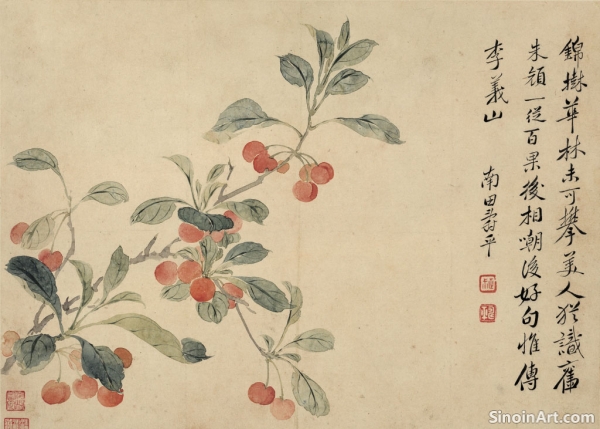 The meticulous detail that is characteristic of the Gongbi style is often applied to the rendering of water, with artists using fine lines to delineate its ripples, eddies, and reflections. These details add to the sense of realism and allow the artist to capture the intricacies of water’s form. The precise and detailed rendering of water is a central technique used by Gongbi artists.  The use of ink wash and layered colors is often employed to create a sense of depth, luminosity, and transparency in the depiction of water. Artists carefully blend and layer their colors to create subtle gradations of tone, capturing the play of light and shadow on its surface. The use of these techniques helps to bring the image to life.  In landscape paintings, water serves as a focal point, guiding the viewer's eye through the composition and adding to the overall feeling of tranquility and serenity. The inclusion of water can transform the overall feeling and mood of the piece. Through their skillful rendering and nuanced techniques, Gongbi artists are able to create depictions of water that are both visually captivating and emotionally evocative. Their ability to capture the fluidity, movement, and reflective qualities of water further demonstrates the skill of the Gongbi tradition. The artist's ability to capture this important element of the natural world is often a hallmark of the work. |
Tag : Gongbi Water Depiction, Chinese Painting Water, Gongbi Reflection Techniques, Atmosphere in Gongbi Art, Detailed Water Painting
Related information
- Collecting Gongbi Art: Appreciation and Investment
- The Influence of Gongbi on Contemporary Art
- Gongbi Painting and the Influence of Chinese Poetry
- Gongbi Painting and Storytelling: Narrative Through Detail
- Gongbi Painting and the Art of Miniature
Provides guidance on collecting Gongbi art, emphasizing aspects such as material quality, artist reputation, personal appreciation, and the investment value of collecting.
An examination of Gongbi painting's influence on contemporary art, highlighting the adaptation of its techniques, symbolism, and aesthetic principles.
This article explores the influence of Chinese poetry on Gongbi painting, highlighting the shared themes, imagery, and symbolic language, and how this connection enhances the literary and artistic impact of the artwork.
Explores the narrative power of Gongbi painting, highlighting its ability to tell stories through detail, symbolism, and historical or mythological depictions.
This article explores the art of miniature Gongbi painting, highlighting the challenges, specialized techniques, subject choices, and how these tiny works demonstrate the artists’ skill and ability to capture detail and beauty on a small surface.