The Spiritual Aspects of Gongbi Painting
|
Beyond its aesthetic beauty and technical complexity, Gongbi painting carries a deeply spiritual dimension, inviting both the artist and the viewer into a realm of contemplation and reflection. The meticulous process of creating a Gongbi artwork can be seen as a form of meditation, fostering a sense of inner peace and mindfulness. 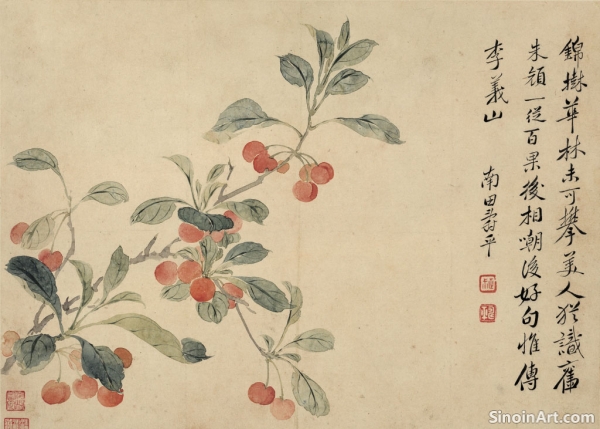 The patience and precision required to execute the intricate details of a Gongbi painting demand a level of focus and concentration that is akin to meditative practice. The artist must be completely present in the moment, allowing their hand to be guided by a sense of intention and awareness. This process is not merely about replicating an image but about engaging in a deeper relationship with the subject matter. 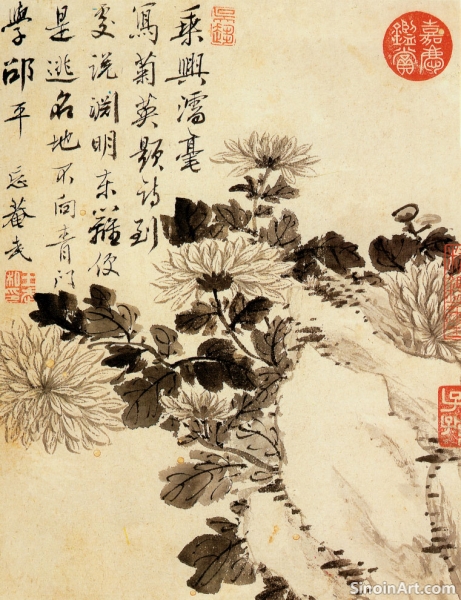 The traditional subjects often depicted in Gongbi painting, such as birds, flowers, and landscapes, also contribute to its spiritual aspect. These natural motifs are seen as symbols of harmony and balance, reflecting the Daoist principle of living in accordance with the natural order. The act of painting these subjects can be a way to connect with the inherent beauty and spiritual essence of the world around us. 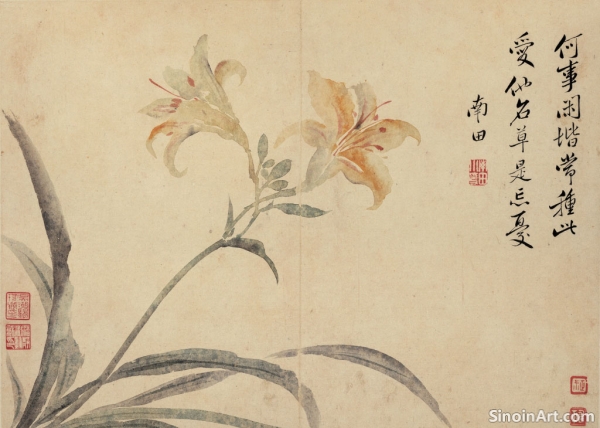 The emphasis on contemplation and observation within Gongbi painting extends to the viewer as well. The detailed imagery and the carefully rendered compositions invite viewers to slow down, to examine each element closely, and to consider the deeper meanings embedded within the artwork. It is an invitation to connect with the art on both an aesthetic and emotional level. The spiritual dimension of Gongbi painting underscores its importance not just as an art form but also as a practice that fosters personal growth and awareness. It offers a pathway to inner peace, creativity, and a deeper connection with the world around us. The artistic process is a spiritual one, that can be seen in its beauty and precision. |
Tag : Spiritual Gongbi, mindfulness in art, meditative art, Chinese art spirituality, contemplation in painting
Related information
- Techniques and Tools: Unveiling the Secrets of Gongbi
- The Spiritual Dimensions of Gongbi Painting
- The Use of Borders and Mountings in Gongbi Painting
- Gongbi Painting and the Influence of Chinese Poetry
- Gongbi and the Depiction of Mythological Figures
An in-depth look at the techniques and tools used in Gongbi painting, covering brushes, ink, pigments, and painting surfaces.
This article delves into the spiritual dimensions of Gongbi painting, highlighting how the meticulous process, symbolic subject matter, and spiritual intentions of the artist create a deep connection with the natural and divine realms.
This article explores the role of borders and mountings in Gongbi painting, highlighting their function as framing devices, visual balancers, and how their specific styles and materials contribute to the overall aesthetic and cultural significance of the artwork.
This article explores the influence of Chinese poetry on Gongbi painting, highlighting the shared themes, imagery, and symbolic language, and how this connection enhances the literary and artistic impact of the artwork.
This article explores the depiction of mythological figures in Gongbi painting, highlighting the symbolic attributes, use of color, intricate narratives, and how this art form brings to life the gods, immortals, and heroes of Chinese folklore.