The Spiritual Dimensions of Gongbi Painting
|
Beyond its technical aspects and aesthetic beauty, Gongbi painting is often imbued with spiritual dimensions. The meticulous and focused process of creating these artworks, as well as the symbolic language they often employ, can be seen as a form of spiritual practice, contemplation, and connection with the natural and divine realms. This spiritual connection is an important part of the artistic tradition. 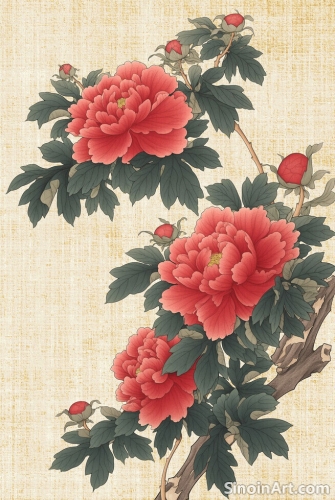 The act of creating a Gongbi painting is often a slow, deliberate, and meditative process. The artist must cultivate a calm and focused mind in order to execute the precise linework and subtle color layering required by the technique. This focused approach creates a connection between the artist's inner world and the outer work of art. The act of creating becomes a form of meditation. 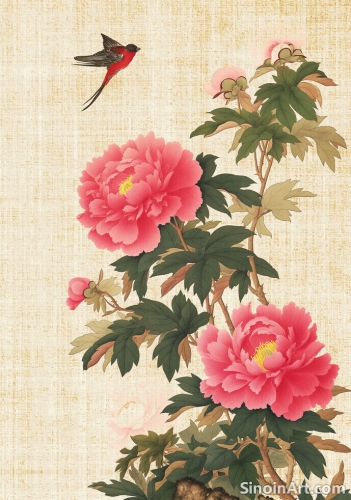 The choice of subject matter in Gongbi painting can also reflect spiritual beliefs. Flowers like the lotus, which represents purity and enlightenment, and birds like the crane, which symbolizes longevity and wisdom, often have spiritual significance. The choice of subject matter can provide spiritual meaning and context for the viewer. 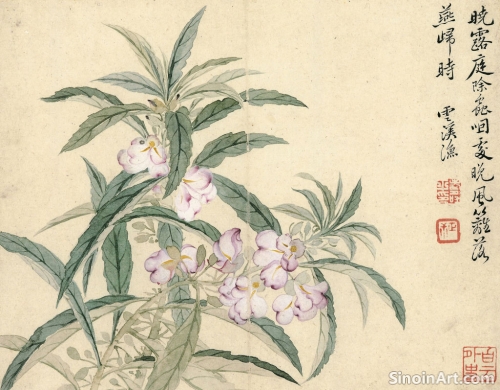 The use of color in Gongbi also carries symbolic weight in the spiritual context. Colors like gold, which represent divine energy, and white, which represents purity, are often used to enhance the spiritual impact of the painting. The color choices are part of the visual language that communicates deeper spiritual ideas. Many Gongbi artists approach their work with a sense of reverence, seeing it as a form of connection with the natural world and the divine. They imbue their creations with their personal beliefs and spiritual aspirations, making each artwork a unique expression of both their technical skills and their spiritual vision. The personal connection to the art makes each work unique and meaningful. Gongbi painting offers a glimpse into the spiritual dimensions of Chinese culture and the interconnectedness of art, spirituality, and the natural world. The practice of creating art is seen not only as an artistic skill, but also as a spiritual path for the artist and a way to share a sense of inner peace with the viewer. The artistic work becomes a vehicle for both spiritual growth and contemplation. |
Tag : Spiritual art, Gongbi spirituality, art and meditation, Chinese spiritual art, inner peace in art
Related information
- The Exquisite World of Gongbi: A Detailed Introduction
- The Role of the Artist's Seal in Gongbi Painting
- The Use of Borders and Mountings in Gongbi Painting
- The Role of Line in Gongbi: The Foundation of Precision
- Gongbi and the Use of Calligraphy in Composition
A comprehensive introduction to Gongbi painting, highlighting its detailed nature, historical significance, common subjects, and continued relevance.
This article discusses the role of the artist's seal in Gongbi painting, highlighting its function as a signature, a visual element, a statement of ownership, and its contribution to the cultural significance and authenticity of the artwork.
This article explores the role of borders and mountings in Gongbi painting, highlighting their function as framing devices, visual balancers, and how their specific styles and materials contribute to the overall aesthetic and cultural significance of the artwork.
Explores the critical role of line in Gongbi painting, detailing different types of lines and their contribution to the precision and expressiveness of the art.
This article explores the integration of calligraphy into Gongbi painting, highlighting how it balances the composition, adds context, provides literary depth, and enhances the overall aesthetic and cultural significance of the artwork.