Gongbi Painting and the Influence of Chinese Poetry
|
The intricate detail and symbolic language of Gongbi painting often find a harmonious complement in the imagery and themes of Chinese poetry. Many Gongbi paintings are directly inspired by poems, or incorporate elements that reflect the mood, imagery, and symbolic meanings found within classical and contemporary Chinese verses. The connection between the two art forms often enriches the overall experience of the works. 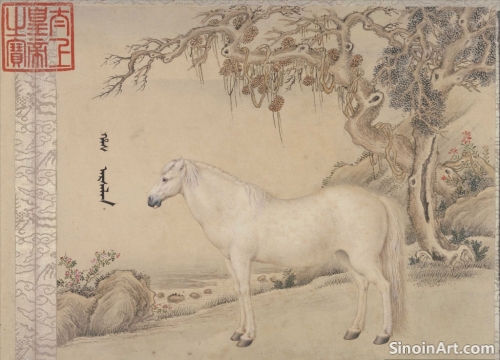 The visual language of Gongbi painting shares many common elements with the descriptive imagery often found in Chinese poetry. The artists seek to represent the natural world with the same level of detail and sensitivity as the poets. The focus on natural beauty and observation is key to both forms of expression.  Many Gongbi paintings depict scenes or figures that are directly inspired by specific poems. The artists interpret the verses and seek to create a visual representation of the feelings and ideas expressed in the written word. The art becomes a visual illustration of the poetic verse.  The incorporation of poetic inscriptions or calligraphic verses within Gongbi paintings enhances the overall literary and artistic impact of the work. These inscriptions often provide additional context, commentary, or symbolism to the visual scene. The combination of these art forms create both literary and visual power. The use of symbolism in both Gongbi painting and Chinese poetry often reflects shared cultural and philosophical concepts. Elements like flowers, birds, and landscapes are often imbued with similar symbolic meanings, creating a deeper resonance between the two art forms. This shared understanding of symbolic meaning enhances the power of both forms. The influence of poetry on Gongbi painting creates a synthesis of visual and literary art forms, enriching both fields of expression and offering a deeper understanding of the interconnectedness of culture and artistic expression. The combination of the two forms offers a richer understanding of the cultural context. |
Tag : Gongbi and poetry, Chinese poetry, artistic inspiration, literary art, visual verse
Related information
- Gongbi Painting Throughout History: From Courts to Modern Studios
- The Spiritual Dimensions of Gongbi Painting
- The Use of White Space in Gongbi Composition
- Gongbi Painting on Silk: Tradition and Technique
- Gongbi and Xieyi: Two Sides of the Brush
A historical overview of Gongbi painting, tracing its development from the Han dynasty to the present day, highlighting key periods and artists.
This article delves into the spiritual dimensions of Gongbi painting, highlighting how the meticulous process, symbolic subject matter, and spiritual intentions of the artist create a deep connection with the natural and divine realms.
This article explores the importance of white space in Gongbi composition, highlighting its role in defining the main subject, creating depth, contributing to overall balance, and reflecting the philosophical principles of emptiness and the interplay of yin and yang.
Focuses on the use of silk as a painting surface in Gongbi art, detailing preparation techniques, challenges, and the historical significance of using this material.
This article contrasts Gongbi and Xieyi painting styles, highlighting their differing approaches to brushwork, techniques, subject matter, and overall artistic expression.