Gongbi and the Depiction of Mythological Figures
|
Gongbi painting has long served as a medium for portraying mythological figures and scenes from Chinese folklore. These works, with their meticulous detail and vibrant colors, bring to life the gods, immortals, and legendary heroes that are central to Chinese cultural narratives. The precise rendering and symbolic use of color enhance the power and impact of these mythological figures.  The depiction of mythological figures in Gongbi often focuses on their symbolic attributes and unique characteristics. Each figure is rendered with specific attributes that align with traditional stories. Their clothing, accessories, and poses often carry deep cultural significance. The meticulous details help to reinforce the identity and story of the figure being portrayed. 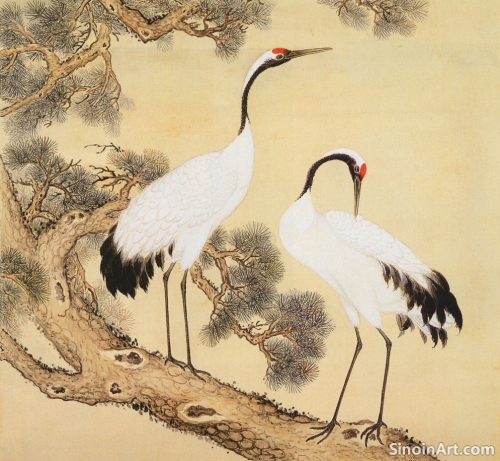 The application of color also plays a crucial role in conveying the spiritual and symbolic nature of these figures. Gods and immortals are often depicted in vibrant colors that evoke their divine status and otherworldly power. Gold is frequently used to highlight their divinity and prestige. The use of color reinforces both the identity and significance of each figure. 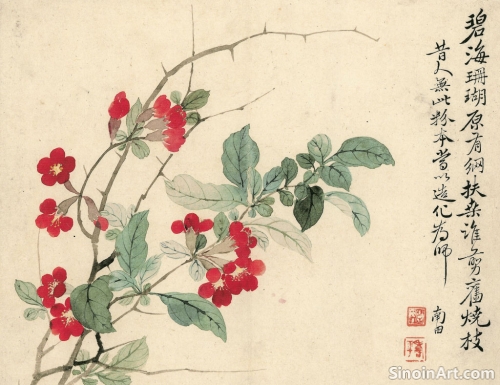 Scenes from mythology and folklore are also brought to life through the detailed artistry of Gongbi. Artists depict elaborate narratives that often feature a variety of characters and events. The precision of line work and the complex composition allow viewers to follow along with the story. These works serve both as depictions of the stories and as cultural texts. The detailed style of Gongbi allows artists to capture the nuances of each character, as well as the intricate details of their surroundings. The painstaking precision gives life to the mythological world, enhancing the visual experience of the legends. This process of depicting myths and folklore helps to keep these cultural traditions alive and accessible. Ultimately, Gongbi painting serves as a visual gateway into the rich world of Chinese mythology. The meticulously crafted figures and scenes bring these ancient narratives to life, allowing us to connect with cultural heritage and appreciate the artistic skill involved in portraying such revered figures. The combination of art and storytelling helps to keep these ancient traditions alive. |
Tag : Gongbi mythology, Chinese mythological art, folklore in art, deities in painting, traditional storytelling
Related information
- Gongbi Portraiture: Capturing the Essence of the Subject
- The Gongbi Line: A Foundation of Precision and Expressiveness
- Collecting Gongbi Art: Appreciation and Investment
- Gongbi and the Depiction of Architecture
- The Conservation and Care of Gongbi Paintings
This article explores Gongbi portraiture, highlighting its meticulous detail, precise use of line, delicate color layering, and its aim to capture not only the physical likeness of the subject but also their inner character and essence.
Gongbi lines are characterized by their fineness, evenness, and consistent width. Artists utilize specialized fine-pointed brushes to create these lines, ensuring that every stroke is deliberate and controlled. The consistent thickness of the lines requires years of practice, and this skill is central to the Gongbi style. It is within the precise lines that the work begins to define itself.
Provides guidance on collecting Gongbi art, emphasizing aspects such as material quality, artist reputation, personal appreciation, and the investment value of collecting.
This article explores the depiction of architecture in Gongbi painting, highlighting the meticulous detail, historical accuracy, use of perspective, and interplay of light and shadow, showcasing how this art form captures both the physical appearance and cultural significance of buildings.
This article provides essential information on the conservation and care of Gongbi paintings, including controlling the environment, proper storage, framing techniques, cleaning recommendations, and the importance of regular inspections to ensure the longevity of these delicate artworks.