The Use of Borders and Mountings in Gongbi Painting
|
The borders and mountings surrounding a Gongbi painting are not merely decorative elements; they are an integral part of the artwork, framing the image, providing visual balance, and enhancing the overall viewing experience. The thoughtful use of borders and mountings is critical to the overall presentation of the piece.  The style and color of the borders and mountings are carefully chosen to complement the painting itself, creating a sense of visual harmony. These elements are used to guide the viewer's eye and create a sense of balance and wholeness. The border and mounting should never detract from the artwork, but should instead enhance its overall impact.  The use of specific materials in the borders and mountings, such as silk, brocade, or paper, also contributes to the overall aesthetic and cultural significance of the artwork. The chosen materials also reflect the intended cultural context of the painting. 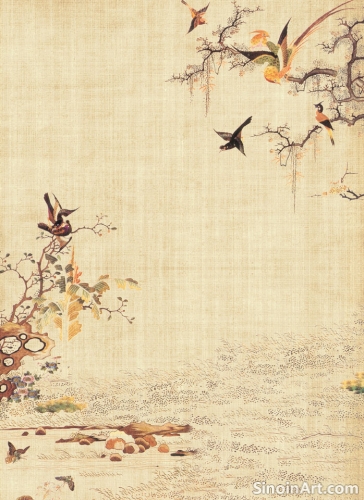 The borders and mountings can also be used to separate the painting from the external world, allowing the viewer to focus on the artwork itself. The careful framing creates a space that is set apart from the space surrounding it. The use of mounting helps to create this space for the viewer. The dimensions of the borders and mountings are also carefully considered to provide an appropriate amount of space around the painting, enhancing its visual impact and creating a sense of balance. The relationship between the artwork and its frame are a key component of the overall design. The careful attention to the details of borders and mountings in Gongbi painting reflects the Chinese artistic sensibility that sees every aspect of the artwork as contributing to the overall whole. The design of the frame and mounting is as important as the design within the painting itself. |
Tag : Art framing, Gongbi mounting, painting borders, art display, visual balance
Related information
- The Meticulous Hand: Precision and Detail in Gongbi Painting
- Gongbi and the Depiction of Water: Flow, Reflection, and Atmosphere
- The Delicate World of Gongbi: An Introduction
- Gongbi Painting on Silk: Tradition and Technique
- Learning Gongbi: Resources and Pathways for Aspiring Artists
Chinese Gongbi painting, distinguished by its meticulous detail and precise execution, stands as a testament to the dedication and technical skill of its practitioners. Unlike the expressive spontaneity of Xieyi (freehand) painting, Gongbi emphasizes a controlled and highly detailed approach, striving for a realistic depiction of the subject matter. This pursuit of perfection is central to the aesthetic and philosophy of the Gongbi tradition.
The depiction of water, with all its fluidity, dynamism, and reflective qualities, is a significant element in many Gongbi paintings. Artists employ a variety of techniques to capture the movement, texture, and atmospheric effects of water, ranging from still ponds and meandering streams to rushing waterfalls and expansive seas. The depiction of water is often a central element of a successful composition, adding depth and beauty to a piece.
This article introduces Gongbi painting as a precise and detailed art form within Chinese traditional art, highlighting its techniques, historical themes, materials, and contemporary relevance.
Focuses on the use of silk as a painting surface in Gongbi art, detailing preparation techniques, challenges, and the historical significance of using this material.
This article provides an overview of resources and pathways for aspiring Gongbi artists, including formal education, online resources, private instruction, and the importance of consistent practice.