Techniques and Tools: Unveiling the Secrets of Gongbi
|
The creation of a Gongbi masterpiece is a labor of love, requiring not only artistic skill but also a deep understanding of specific techniques and tools. The artist’s palette consists of a variety of brushes, each designed for a particular purpose. Fine brushes, often made of wolf hair or badger hair, are used for outlining, while broader brushes, made of goat hair or a mix of animal fibers, are employed for color washes. The selection of brushes is crucial in achieving the desired level of detail and control. 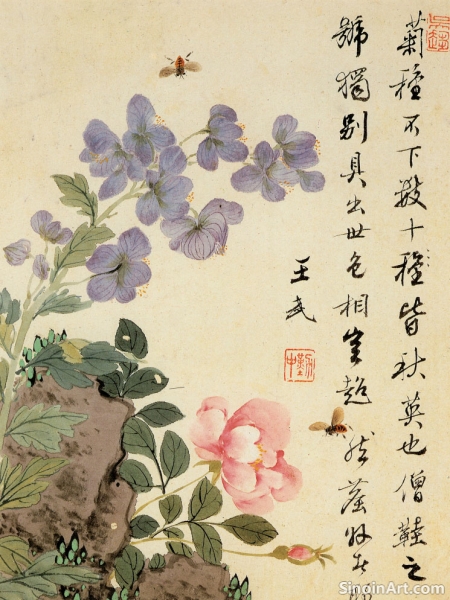 Ink is another essential component. Traditional Chinese ink is produced from soot and glue, and its quality directly affects the depth and clarity of the painting. Ink sticks are ground with water on an inkstone, creating a range of tones from deep black to soft grays. The consistency of the ink is carefully controlled, as thinner ink is used for delicate details and thicker ink for bolder strokes. The artist's skill in ink manipulation is vital to the final effect of the artwork.  Pigments used in Gongbi painting are traditionally sourced from natural materials, including minerals and plants. These pigments are meticulously ground and mixed with water and a binding agent, such as glue or starch, to create a paint that is stable and vibrant. The application of these pigments is a delicate process, often involving multiple layers of thin washes to build up depth and luminosity. Each layer needs to be applied with precision and care. 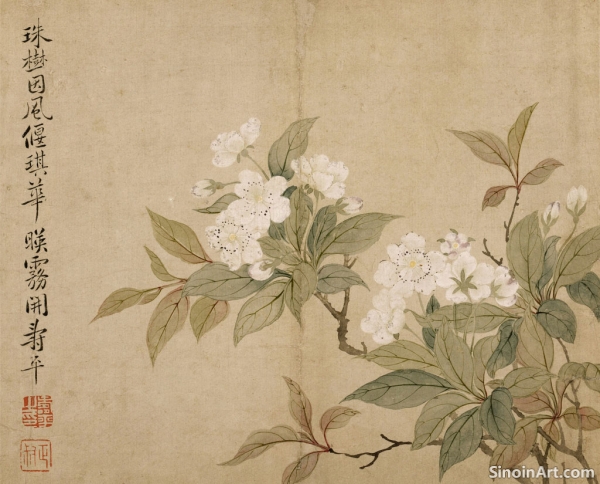 The painting surface also plays a significant role. Silk or fine rice paper are the most common choices, each offering a unique texture and absorbency that affects the flow of ink and paint. The artist must carefully prepare the surface by sizing it with alum to prevent the colors from bleeding. This process requires experience and attention to detail, as the wrong preparation can ruin the painting. Mastering the techniques of Gongbi painting is a journey that requires patience, dedication, and a deep understanding of the materials involved. From selecting the right brush to preparing the painting surface, each step is crucial in creating the delicate and precise artworks that define this style. It's a tradition passed down through generations, constantly refined and honored by those who practice it. |
Tag : Gongbi painting techniques, Chinese ink painting, brush types, Chinese pigments, rice paper painting
Related information
- Gongbi Painting and the Four Gentlemen: Symbolism in Nature
- Gongbi Painting as a Form of Cultural Preservation
- Gongbi Painting and the Depiction of Clouds and Mist
- Gongbi Painting and the Concept of "Shanshui"
- Gongbi Painting and its Role in Cultural Diplomacy
Explores the symbolism of the Four Gentlemen (plum blossom, orchid, bamboo, chrysanthemum) in Gongbi painting, highlighting their cultural significance and representation.
This article explores the role of Gongbi painting as a form of cultural preservation, highlighting its function in documenting history, preserving traditional skills, and communicating cultural values, and ensuring that heritage is passed down for future generations.
This article explores the depiction of clouds and mist in Gongbi painting, highlighting the techniques used to create a sense of depth, luminosity, and atmosphere, and how the subtle variations in color and tone evoke a sense of mystery and serenity.
This article explores the relationship between Gongbi painting and the concept of "Shanshui," highlighting the presence of core Shanshui principles, such as the balance of yin and yang, the detailed rendering of nature, and the integration of humans into the natural order within Gongbi landscapes.
This article explores the role of Gongbi painting in cultural diplomacy, highlighting its ability to foster cross-cultural understanding, promote artistic collaboration, and serve as a symbol of Chinese cultural identity on the global stage.