The Social and Political Significance of Bronze Mirrors in Ancient China: Status, Reflection, and Self-Presentation
|
Bronze mirrors in ancient China were not just tools for grooming and reflection; they also played a key role in communicating social status, personal identity, and political power, used both in daily life and also in more formal social and political settings. These objects served not only a practical purpose, but they also helped to codify the social hierarchy and to reinforce cultural traditions. The subtle design elements and the ways in which they were used helped to reinforce both individual and also social identities. 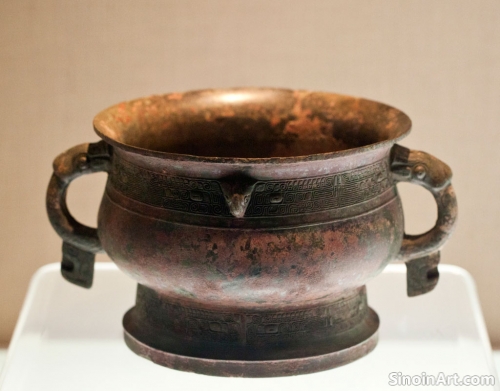 Bronze mirrors were often given as gifts to express social respect and recognition, acting as markers of status, power, and influence. The exchange of these objects, which often had intricate designs and were made of valuable materials, was an important element of social interaction, and the mirrors were also used as symbols of both social standing and individual merit.  The mirror’s ability to reflect one's image helped to shape ideas about self-presentation and social performance, encouraging individuals to pay attention to their appearance, manners, and their overall presentation to others. The use of mirrors became an essential part of daily life and also a part of ritual preparation. 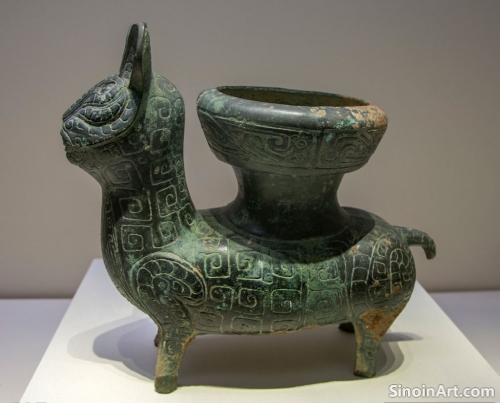 The style and decoration of bronze mirrors were often influenced by the tastes of the ruling elite, reflecting not only their power and wealth but also their aesthetic values and cultural preferences. The designs of the mirrors reflected and reinforced the political power of the rulers and also the values of the culture at large. The study of bronze mirrors provides valuable insights into the social, political, and cultural values of ancient China, highlighting how seemingly everyday objects could become powerful tools for reinforcing identity, communication, and establishing social roles. The careful study of these objects is a valuable approach to understanding the social context of the time. |
Tag : bronze mirrors, Chinese social status, self-presentation, ancient power symbols, personal identity
Related information
- The Role of Bronze in Ancient Chinese Storytelling: Depictions of Myths and Legends
- Bronze Ware and the Representation of Power in Ancient Chinese Royal Tombs: Scale, Detail, and Symbolism
- The Symbolic Significance of Bronze in Ancient Chinese Power Structures: Ritual, Authority, and Legitimacy
- Bronze Ware and the Development of Ancient Chinese Mathematics: Measurement and Calculation
- Bronze Ware and the Development of Ancient Chinese Architecture: Design Principles and Construction Tools
This article explores the role of bronze ware in ancient Chinese storytelling, highlighting how bronze objects depicted myths, legends, and heroic figures, and how they helped to preserve and transmit cultural narratives through a visual medium.
This article explores the use of bronze ware in ancient Chinese royal tombs, highlighting its role in conveying power and wealth, its use of scale and detail, its symbolic designs, and how these objects were intended to ensure the continued recognition of the deceased in the afterlife.
This article explores the symbolic significance of bronze in ancient Chinese power structures, highlighting its role in ritual practices, its symbolism of authority and legitimacy, and its use by rulers to consolidate political control.
This article explores the use of bronze in ancient Chinese mathematics, highlighting its role in creating measuring instruments, illustrating mathematical principles, and revealing the connections between bronze, technology, and mathematical understanding.
This article explores the use of bronze in ancient Chinese architecture, highlighting its role in creating surveying tools, structural components, decorative elements, and demonstrating its importance in both design and construction.