Bronze Ware and the Development of Ancient Chinese Mathematics: Measurement and Calculation
|
While not always obvious, bronze played a role in the development of ancient Chinese mathematics, used to create tools, measuring devices, and other instruments that were essential for mathematical calculations and surveying techniques. The combination of mathematical understanding and practical application is evident in these objects. The use of bronze helped to create a more precise and accurate system of measurement and calculation. 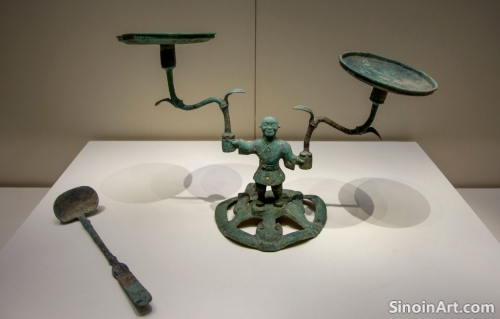 Bronze was used to create a variety of measuring instruments, such as rulers, calipers, and graduated scales, which were essential for accurate measurement and calculations in a variety of practical contexts. The precision with which these instruments were made allowed for a greater level of accuracy in both scientific and daily life activities. 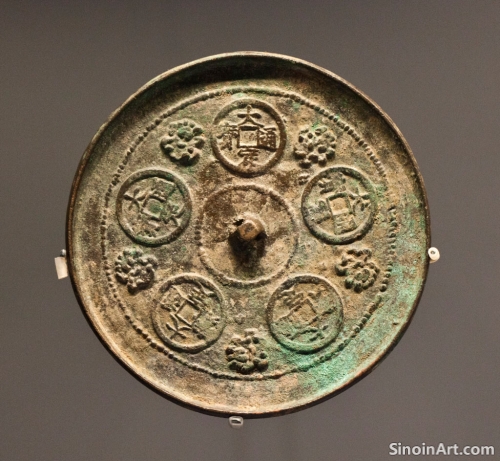 Bronze was also used to create models and diagrams that were used to illustrate mathematical principles, with the careful crafting of these objects showing that the connection between art and mathematics was important. The careful use of specific shapes and forms to illustrate complex mathematical principles was a hallmark of this approach to problem solving.  The study of bronze objects in the context of ancient Chinese mathematics helps to reveal the development of mathematical understanding and the practical applications of these principles in ancient China. These objects provide valuable insights into the mathematical knowledge of the time. The combination of the theoretical and the practical allowed for significant advances in scientific understanding. |
Tag : bronze mathematics, ancient calculations, Chinese geometry, measuring devices, math history
Related information
- The Preservation of Bronze Artifacts: Understanding the Chemistry of Corrosion and Deterioration
- The Enduring Mystique of Chinese Bronze Ware: A Timeless Allure for Collectors and Scholars
- Bronze Ware and Ancient Chinese Concepts of the Cosmos: Heaven, Earth, and Humanity
- The Use of Bronze in Ancient Chinese Religious Practices: Temple Offerings and Sacred Spaces
- Bronze Ware and Ancient Chinese Trade Networks: Evidence of Cultural and Economic Exchange
This article explores the chemistry of bronze corrosion and deterioration, highlighting the scientific principles behind conservation efforts, and the methods and techniques used to stabilize and preserve these artifacts for future generations.
This article reflects on the enduring allure of Chinese bronze ware, highlighting its appeal to both collectors and scholars, its timeless beauty, its historical significance, and its ability to inspire both fascination and the ongoing pursuit of knowledge.
This article explores the connection between bronze ware and ancient Chinese concepts of the cosmos, highlighting the use of celestial symbols, the representation of the relationship between Heaven, Earth, and humanity, and revealing the cosmological worldview of the ancient Chinese.
This article explores the use of bronze in ancient Chinese religious practices, highlighting its role in creating temple offerings, musical instruments, and other objects used to create sacred spaces and to facilitate communication with the divine.
This article explores the role of bronze ware in ancient Chinese trade networks, highlighting the distribution of artifacts, the movement of raw materials, and the cultural and economic impact of these trading connections on the development of China.