Bronze Ware and the Development of Ancient Chinese Architecture: Design Principles and Construction Tools
|
While not a primary material for building, bronze played a significant role in ancient Chinese architecture, used to create tools, structural components, and decorative elements that were essential to the construction and design of buildings and complex structures. The careful management of materials and the interplay between different areas of expertise are a hallmark of the ancient Chinese approach to construction. 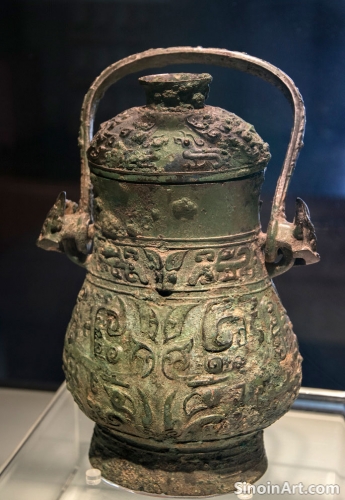 Bronze was used to create tools for surveying, measuring, and cutting stone and wood, helping to improve the accuracy and efficiency of building projects. The careful use of the proper instruments helped to ensure the longevity and reliability of large scale building projects.  Bronze fittings were also used in wooden buildings, providing durable joinery and decorative elements that added to the strength and visual appeal of the structure. The use of these pieces often helped to emphasize the scale and importance of the buildings that employed them. The use of bronze highlights the intermingling of art, architecture, and technology. 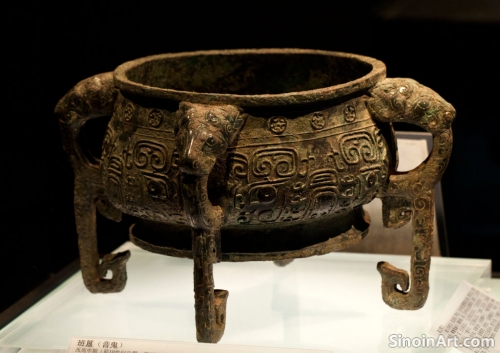 Bronze was also used in the creation of decorative elements on buildings, including plaques, plaques and other ornamentation, highlighting the integration of art and architecture in ancient China. The use of bronze helped to elevate the status of the buildings to something beyond a mere functional space. The integration of design, beauty, and function was a key element in ancient Chinese architecture. The study of bronze in the context of ancient Chinese architecture helps to illuminate the complex technical and artistic achievements of the builders and craftsmen of the time. The innovation and skill required for building in this era is truly impressive. The long lasting remains of these works help to paint a picture of the people and the culture that produced them. |
Tag : bronze architecture, ancient Chinese design, building tools, structural elements, construction methods
Related information
- Bronze Ware and Ancient Chinese Trade: Examining the Role of Material Culture in Economic Exchange
- Bronze Ware and Ancient Chinese Astronomy: Decoding Celestial Patterns and Calendars
- Bronze Ware and the Development of Chinese Writing: An Intertwined History
- Bronze Ware and the Development of Ancient Chinese Trade Routes: Pathways for Exchange and Innovation
- The Enduring Mystique of Chinese Bronze Ware: A Timeless Allure for Collectors and Scholars
This article explores the role of bronze ware in ancient Chinese trade, highlighting its use as a valuable commodity, its impact on shaping trade routes and market systems, and its contribution to the broader economic landscape of the time.
This article explores how bronze ware reflects ancient Chinese understandings of astronomy, highlighting the use of celestial patterns, depictions of constellations, and the connection between astronomical knowledge and ritual practices.
This article explores the intertwined history of bronze ware and the development of Chinese writing, highlighting the earliest forms of writing on bronze, the evolution of script styles, and the role of inscriptions in preserving history and culture.
This article explores the relationship between bronze ware and ancient Chinese trade routes, highlighting how the movement of objects and raw materials fostered cultural exchange, innovation, and the development of complex economic networks.
This article reflects on the enduring allure of Chinese bronze ware, highlighting its appeal to both collectors and scholars, its timeless beauty, its historical significance, and its ability to inspire both fascination and the ongoing pursuit of knowledge.