The Role of Bronze in Ancient Chinese Storytelling: Depictions of Myths and Legends
|
Bronze ware in ancient China was not just a vehicle for ritual and practical use; it also served as a powerful medium for storytelling, depicting ancient myths, legends, and heroic figures. The ability of bronze workers to convey stories through these objects helped to elevate their function to more than simply material artifacts. 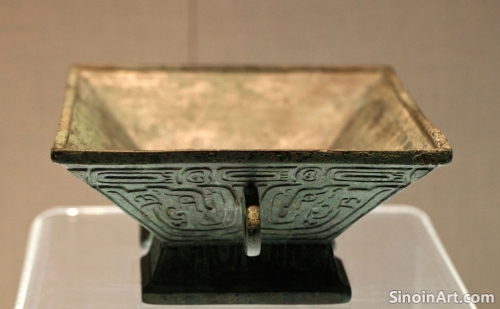 Many bronze vessels feature scenes from popular myths and legends, often depicting mythical creatures, battles, or heroic figures. The use of depictions of legends and myths helped to bring stories from the oral tradition to life in a visual medium. The stories depicted on bronze ware often reflect the cultural and religious values of the time. 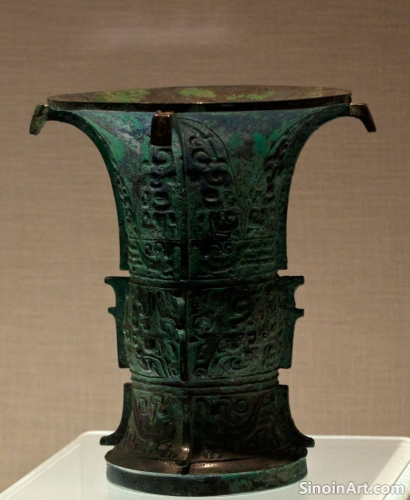 The use of bronze in masks and other decorative objects often helped to communicate stories about the spiritual or supernatural worlds. The depiction of fantastical beings and magical events was a powerful tool for connecting with the spiritual world. These pieces helped to highlight the importance of the unseen realm in ancient Chinese thought. 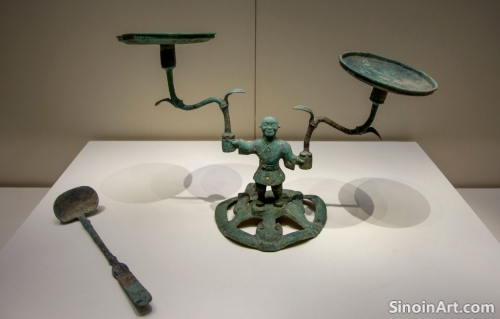 The study of bronze ware as a form of storytelling helps to illuminate the ancient Chinese worldview and their understanding of history, religion, and culture. The ability of the bronze to depict narratives helps to add layers of meaning to the study of these artifacts. The combination of image and symbolism allows for a deep engagement with the culture of the past. |
Tag : bronze storytelling, Chinese myths, legends, artifact depictions, bronze narratives
Related information
- The Techniques of Inlaying Bronze: Incorporating Precious Materials into Metalwork
- Bronze Ware and Ancient Chinese Law: Authority, Justice, and Codification
- The Taotie Motif: Unraveling the Mystery of the Shang Bronze Beast
- Bronze Ware and Ancient Chinese Textile Production: Tools, Weights, and Decorative Embellishments
- Bronze Mirrors as Tools of Divination and Magic in Ancient China
This article explores the techniques of inlaying bronze in ancient China, highlighting the use of precious materials like gold, silver, and jade, and demonstrating how these techniques added sophistication, symbolism, and artistic value to bronze objects.
This article explores the use of bronze in ancient Chinese law, highlighting its role in codifying legal principles, disseminating decrees, and symbolizing judicial authority, revealing the interconnectedness of law, power, and material culture.
This article explores the taotie motif found on Shang Dynasty bronzes, discussing its composite features, the various interpretations of its symbolic meaning, its evolution over time, and its significance in understanding the Shang worldview.
This article explores the use of bronze in ancient Chinese textile production, highlighting its role in creating tools, weights, and decorative elements, and showing how bronze helped to improve the efficiency and also the artistic expression in textile manufacturing.
This article explores the use of bronze mirrors as tools of divination and magic in ancient China, highlighting their perceived spiritual powers, their role in rituals and protective practices, and the insights they offer into ancient Chinese beliefs.