Bronze Ware and the Representation of Power in Ancient Chinese Royal Tombs: Scale, Detail, and Symbolism
|
The placement of bronze ware in ancient Chinese royal tombs was a carefully orchestrated display of power and authority, designed to convey both the immense wealth and status of the deceased and also their continued influence in the afterlife. These artifacts help to illuminate both the social and political importance of the ruling class. The careful use and placement of these objects helped to emphasize and underscore the power and legacy of the deceased. 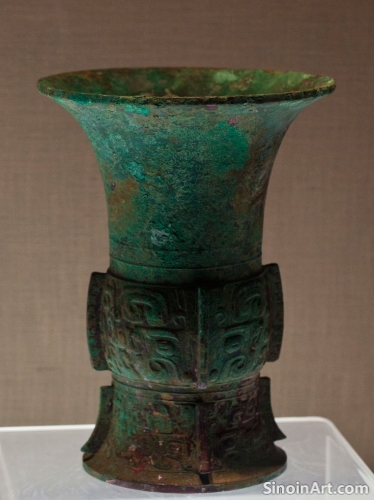 The scale and number of bronze objects found in royal tombs was often immense, with large ritual vessels, sets of musical instruments, and vast collections of weaponry all underscoring the wealth and influence of the ruling families. The quality and quantity of these artifacts helps to illustrate the vast power and resources available to the ruling class. The impressive display of wealth and power helped to further solidify their social position. 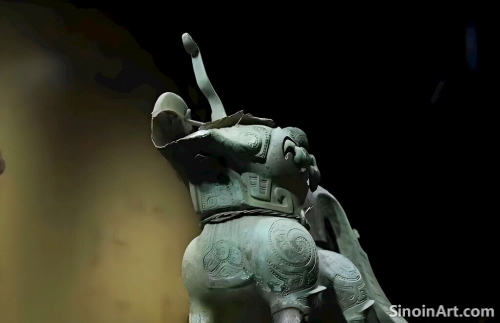 The intricate details and decorations on these bronze objects, often including symbolic motifs and lengthy inscriptions, further emphasized the importance of the deceased, their accomplishments, and their family's connections to both the earthly and celestial realms. The use of symbolic imagery and carefully chosen designs helped to underscore the spiritual and political power of the ruling class. The use of these symbols helped to create a lasting representation of the status and importance of the deceased. 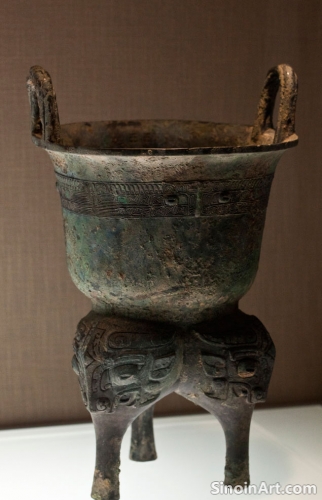 The use of bronze, a valuable and durable material, also helped to convey a sense of permanence and continuity, suggesting that the power and authority of the ruling family would endure forever. The creation of objects from bronze helped to create a lasting record of the lives, beliefs, and political power of the departed. |
Tag : bronze royal tombs, Chinese power, burial displays, elite artifacts, status symbols
Related information
- The Role of Bronze in Ancient Chinese Storytelling: Depictions of Myths and Legends
- The Use of Bronze in Ancient Chinese Maritime Navigation: Compass Design and Directional Tools
- The Geometric Patterns of Bronze Ware: Order, Harmony, and Cosmic Significance
- Bronze Weapons of Ancient China: A Glimpse into Warfare and Power
- The Influence of Bronze Ware on the Development of Chinese Calligraphy: Forms, Styles, and Materials
This article explores the role of bronze ware in ancient Chinese storytelling, highlighting how bronze objects depicted myths, legends, and heroic figures, and how they helped to preserve and transmit cultural narratives through a visual medium.
This article explores the use of bronze in ancient Chinese maritime navigation, highlighting its role in creating compasses, sighting devices, and other instruments, and demonstrating how these tools were used to facilitate long-distance sea travel.
This article explores the geometric patterns on Chinese bronze ware, highlighting their role in conveying order, balance, and harmony, and discussing how they reflected an understanding of the universe and the importance of the repeating patterns and cycles found in nature.
This article explores the bronze weapons of ancient China, highlighting their functional and symbolic importance, the types of weapons, the technical expertise required for their creation, and the insights they provide into early Chinese warfare.
This article explores the reciprocal influence between bronze ware and the development of Chinese calligraphy, highlighting how bronze inscriptions shaped early forms of writing, established foundational principles, and contributed to the overall evolution of calligraphic styles.