The Significance of the Seal in Xieyi
|
The seal, or yìn (印), is an essential element in Xieyi painting, serving as both a signature of the artist and a testament to the artwork's authenticity and artistic intent. The seal is more than a simple mark, it carries cultural and historical significance. 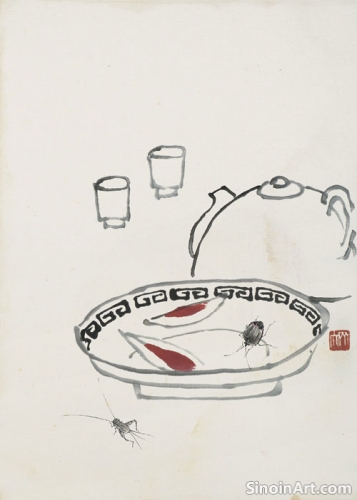 The use of seals dates back thousands of years in China and has been used by artists, scholars, and collectors to mark their ownership or approval of artwork. Each seal is carefully carved with unique characters or designs and applied with a special red ink. The seal has become a kind of artistic signature.  The placement of the seal on a painting is carefully considered, often balancing the visual elements of the composition and contributing to the overall aesthetics. The size, shape, and color of the seal should harmonize with the painting, not overpower it. It is a balancing act of ink and space. 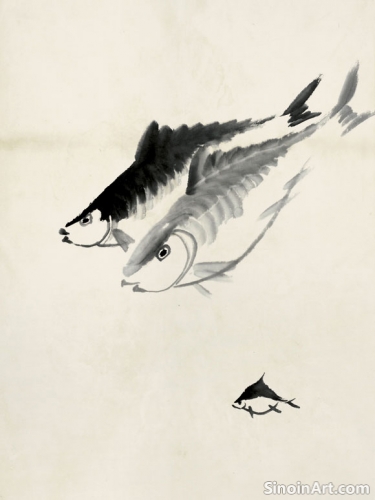 Seals are not always just a signature; they can also express the artist's personal philosophy, aspirations, or even their mood at the time of creation. The characters engraved on a seal can have a variety of meanings, adding layers of interpretation to the artwork. The seals themselves can become art pieces. Over time, seals can become a record of an artwork's provenance, providing important information about its history and ownership. Collectors may add their own seals to indicate their appreciation and to trace the painting’s journey over generations. Seals carry a long history and provenance within the artwork. |
Tag : Art seal, art authentication, provenance, signature in art
Related information
- Xieyi Painting and the "Spirit of the Brush"
- Xieyi Painting and the Concept of "Tian Qu"
- The Concept of "Qing" in Xieyi Painting
- Appreciating and Collecting Xieyi Paintings
- The Concept of "Zhong Feng" in Xieyi Brushwork
"Spirit of the Brush" (bǐyì) is central to Xieyi, emphasizing the unique expressive quality and energy that emanates from the brushstrokes, reflecting the artist's inner state, personal vision, and technical mastery, with each brushstroke imbued with intention, life, and a sense of spontaneity.
"Tian Qu" (natural charm) is a key aesthetic ideal in Xieyi painting, emphasizing a sense of effortless freedom, spontaneity, and a deep connection to nature, requiring artists to let their intuition guide the creative process, resulting in works that feel both deeply moving and authentically beautiful.
"Qing" (feeling) is a fundamental concept in Xieyi painting, emphasizing the importance of artists imbuing their work with personal emotion and genuine expression, requiring sensitivity, observation, and technical skill to convey feelings through brushstrokes, composition, and connecting with viewers on a deeply human level.
Appreciating and collecting Xieyi paintings requires an understanding of its aesthetics, symbolism, brushwork, and the artist's personal expression. Considerations when collecting include authenticity, provenance, and proper care and storage to preserve these delicate works.
"Zhong Feng" (central tip) is a core Xieyi technique involving holding the brush perpendicular to the paper to create strong, balanced lines with even width, conveying inner strength and control, serving as a foundation for advanced brushwork, and requiring a mastery of precision and consistent brush handling.