The Role of Color in Xieyi: Subtlety and Emphasis
|
While often associated with monochromatic ink washes, color plays a significant role in many Xieyi paintings. When color is used, it is often applied subtly, with careful consideration for how it can enhance the overall composition. Color serves not as a literal depiction of reality but as an expressive tool that accentuates the subject’s spirit. 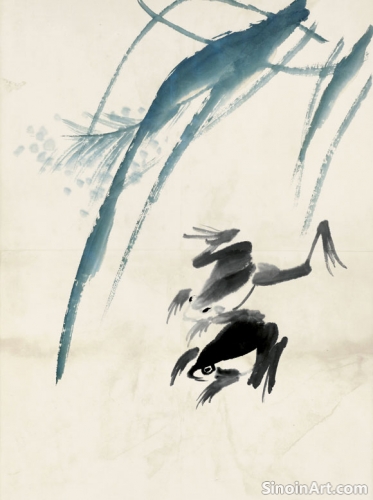 Traditional Xieyi artists often favor natural pigments derived from minerals and plants. These colors are applied with a light touch, allowing the ink wash to remain the dominant element. The balance between ink and color reflects a core principle of Xieyi aesthetic. 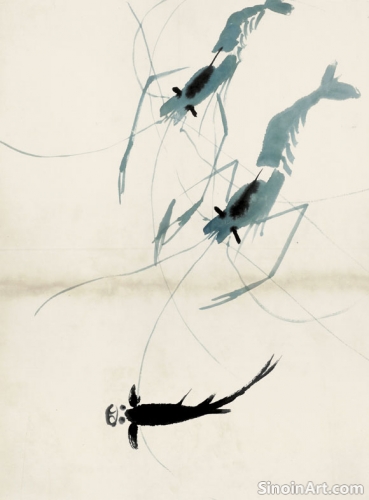 Colors in Xieyi are often used to suggest rather than to directly represent. A splash of red might represent a flower, or a touch of blue might evoke the feeling of a distant mountain. The use of color is often symbolic and evocative, rather than purely descriptive. 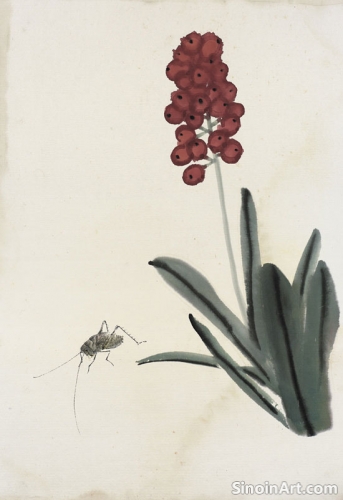 The application of color in Xieyi painting is often done with spontaneous brushstrokes, mirroring the overall approach to the art form. Colors may be applied wet on wet or used as contrasting highlights. Emphasis is put on the brushstroke over the accuracy of the color depiction. Color, when used in Xieyi, enhances the expressive quality of the work, adding vibrancy and emotional depth without sacrificing the underlying principles of the style. The careful balance of color and ink is a hallmark of the Xieyi approach. |
Tag : Xieyi Color, Chinese Literati Painting Color, Subtle Color in Ink Painting, Expressive Color in Xieyi, Emphasis in Xieyi Painting
Related information
- Xieyi Painting and the Concept of "Ziran"
- The Legacy and Future of Xieyi Painting
- The Importance of Practice in Xieyi
- The Importance of "Dry Brush" in Xieyi
- Xieyi Painting and its Global Influence
"Ziran" (naturalness) is a cornerstone of Xieyi painting, emphasizing effortless ease, rejection of artificiality, and a profound connection with the natural world, requiring an understanding of materials and authenticity in personal expression, allowing the art process to unfold organically.
Xieyi painting, with its rich history and unique aesthetic, continues to hold significance and inspire artists, influencing contemporary art globally, ensuring the continuation of its traditions, and its continued evolution and relevance as it continues to express cultural values and universal truths, making it an enduring art form.
Dedicated and consistent practice is essential for mastering Xieyi painting, developing technical skills, intuition, and spontaneity, while also fostering patience, perseverance, and a deeper understanding of the art form's philosophy and aesthetics, transforming the practice into a form of self-discovery.
The "Dry Brush" (kěbǐ) technique is essential in Xieyi, involving minimal ink and water to create broken, scratchy lines that add texture, depth, a sense of age, and dynamism, requiring a sensitive hand and enhancing the spontaneity and expressiveness of the art form.
Xieyi painting has influenced artists and art movements globally through its emphasis on spontaneity, expression, and suggestion, with its impact seen in abstract expressionism and many contemporary approaches to the application of ink, form, and the expressive potential of line, reflecting its enduring power and universal appeal.