The Role of Calligraphy in Xieyi Painting
|
The profound connection between Chinese calligraphy and Xieyi painting is central to understanding the art form. Both disciplines share the same tools - the brush, ink, paper, and inkstone - and rely on similar techniques. In fact, calligraphy is often viewed as the foundation upon which Xieyi painting is built. The calligraphic nature of brushwork is essential to the visual impact of these paintings. 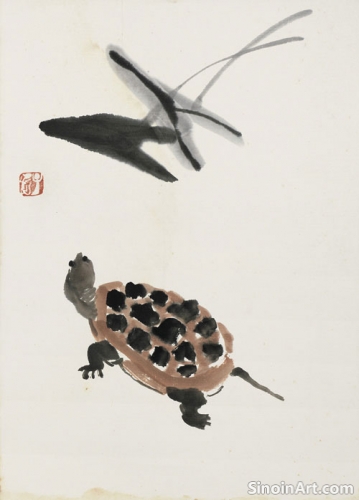 The principles of calligraphy, such as balance, rhythm, and flow, directly translate into the way an artist wields the brush in Xieyi painting. A skilled calligrapher understands how to manipulate the brush to create lines that are not only visually appealing but also imbued with energy and intention. This mastery of brush control is essential for any Xieyi painter. The movement and variations of pressure seen in calligraphic strokes are adopted directly into the painting process. 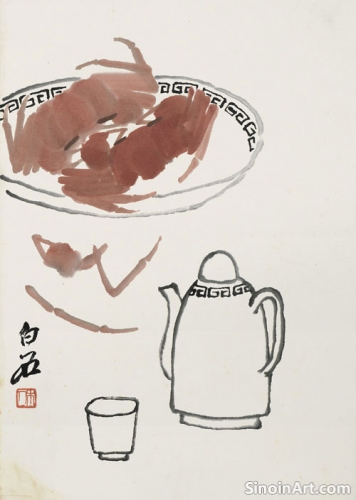 Each brushstroke in Xieyi painting is imbued with the same spirit and intention as a character in calligraphy. The artist strives for "bone strength" in their lines, which refers to the inner strength and vitality conveyed through the brushstroke. This strength is not about physical force, but about the focused intention and dynamic energy of the artist. This principle of ‘bone’ strength links both disciplines. 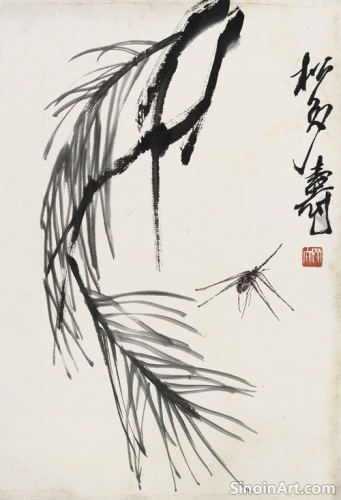 The "three perfections" – poetry, calligraphy, and painting – are often seen together in traditional Chinese art. Literati painters were typically also skilled calligraphers and poets, allowing them to integrate these art forms into a harmonious whole. Calligraphy might appear on the artwork itself, adding depth to the visual imagery and revealing more of the artist’s creative thinking. The interplay between calligraphy and painting is not just about shared techniques; it also reflects a shared aesthetic sensibility. Both forms emphasize the importance of spontaneity, the expression of personal feeling, and a deep connection to the natural world. The calligraphic quality in Xieyi brushwork elevates the artistic expression far beyond mere representation. This connection represents a fundamental part of Chinese aesthetics. |
Tag : Calligraphy and painting, Chinese brushwork, Three Perfections, bone strength, literati painting
Related information
- The Influence of the Seal Script on Xieyi
- The Influence of Zen Buddhism on Xieyi Painting
- The Use of "Reversed Brush" in Xieyi
- Xieyi and the Concept of "Shu Hua Tong Yuan"
- Xieyi Painting and the Concept of "Yun Wei"
The Seal Script (zhuànshū) influences Xieyi painting through its emphasis on balance, flowing lines, symmetry, organic forms, and its use in artist's seals, inspiring the composition, line quality, and overall design, while also deepening the understanding of brush control, and ink application within the Xieyi tradition.
Zen Buddhism has had a significant influence on the philosophy and practice of Xieyi painting. Zen’s emphasis on mindfulness, spontaneity, and direct experience resonates deeply with the core principles of Xieyi art. The relationship between Zen and Xieyi art is profound and ongoing.
The "Reversed Brush" (nìfēng) in Xieyi involves starting a stroke by moving the brush in the opposite direction, then reversing to create strong, textured, dynamic lines, conveying a sense of force, resistance, and visual interest, while requiring precise control and a deep understanding of brush responsiveness.
"Shu Hua Tong Yuan" (calligraphy and painting share the same source) is a fundamental concept in Chinese art and Xieyi painting, highlighting the shared tools, techniques, aesthetic principles, and expressive potential between calligraphy and painting, with calligraphic brushwork central to the Xieyi technique.
Yun Wei (charm, flavor, aftertaste) is a vital aesthetic quality in Xieyi painting, referring to the overall sense of feeling, emotion, and lingering impression that an artwork creates in the viewer, achieved through mastery of technique, subtle nuances, and the ability to express underlying meanings, creating a lasting impact.