The Influence of the Seal Script on Xieyi
|
The Seal Script, or zhuànshū (篆書), an ancient style of Chinese calligraphy, has had a notable influence on the aesthetic of Xieyi painting. The emphasis on balance, symmetry, and the flowing lines of Seal Script can be seen in the approach to composition, line quality, and overall design that many Xieyi artists employ. It is one of the oldest styles of Chinese calligraphy, and its influence can be found throughout the artistic tradition. 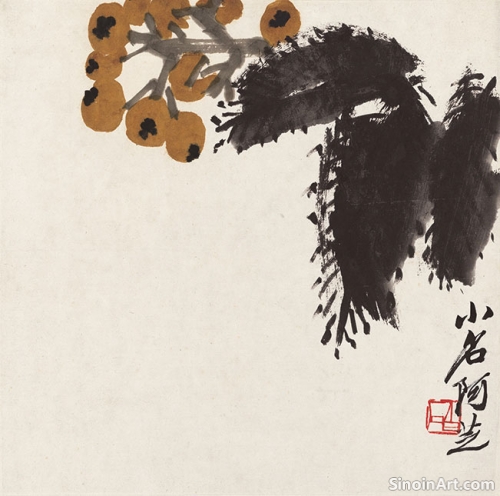 The flowing and curving lines of the zhuànshū often inspire the artist’s use of brushstrokes, creating an organic, natural feel in the lines and forms within the painting. It can give the lines an elegant and subtle beauty that is valued within Xieyi. The influence is more subtle, but it is still important to the overall aesthetic. 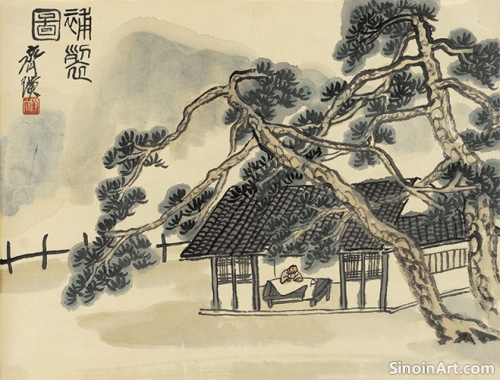 The emphasis on balance and symmetry in zhuànshū can be seen in the way Xieyi artists compose their paintings, creating harmonious arrangements of form and space. This careful sense of balance and spatial relationship informs the way the art is structured. The sense of equilibrium is a key element of both traditions. 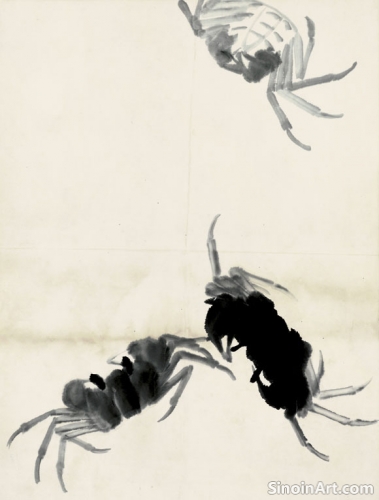 The use of the zhuànshū in seals is also an important aspect of its influence on Xieyi painting, the artist’s seals adding depth and authenticity to the artwork. The seals are often works of art themselves, and are a vital part of the art process. They add depth and meaning to the artistic expression. The study of zhuànshū can deepen an artist’s understanding of brush control, ink application, and the expressive potential of line, helping the artist to develop their overall style and creative intent. It provides a solid technical foundation, while also deepening one’s understanding of the history of the tradition. |
Tag : Seal script, Chinese calligraphy, ancient script, art influence
Related information
- Xieyi and the Concept of "Shu Hua Tong Yuan"
- Contemporary Xieyi Artists to Explore
- Modern Interpretations and Contemporary Xieyi
- The Ink of Xieyi: A Palette of Grays
- The Essence of Expression: An Introduction to Xieyi Painting
"Shu Hua Tong Yuan" (calligraphy and painting share the same source) is a fundamental concept in Chinese art and Xieyi painting, highlighting the shared tools, techniques, aesthetic principles, and expressive potential between calligraphy and painting, with calligraphic brushwork central to the Xieyi technique.
Exploring the work of contemporary Xieyi artists reveals the ongoing evolution of this tradition, with artists incorporating abstraction, exploring social and political issues, experimenting with new techniques, and maintaining a connection to its core principles, thereby expanding the boundaries of the art form and ensuring its continued relevance in the modern world.
Modern Xieyi painting is adapting to contemporary contexts through incorporating new techniques, subject matter, and philosophical ideas, while remaining grounded in the core principles of spontaneity, expression, and the pursuit of qi, and pushing its boundaries into the modern art world.
This article focuses on the significance of ink in Xieyi painting, exploring its tonal variations, preparation process, and application techniques, emphasizing its role in capturing the essence of a subject.
This article introduces Xieyi painting, a freehand and expressive style of Chinese painting, emphasizing its focus on capturing the essence of a subject through bold brushwork and simplified forms.