The Influence of Zen Buddhism on Xieyi Painting
|
Zen Buddhism has had a significant influence on the philosophy and practice of Xieyi painting. Zen’s emphasis on mindfulness, spontaneity, and direct experience resonates deeply with the core principles of Xieyi art. The relationship between Zen and Xieyi art is profound and ongoing. 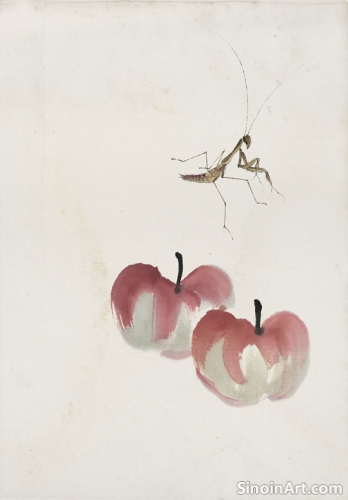 The concept of "no-mind" or mushin (無心) in Zen encourages artists to approach their work without preconceived notions or conscious effort. It emphasizes intuitive action, a state of flow where the mind is free from distraction, allowing for a more spontaneous expression through the art form. 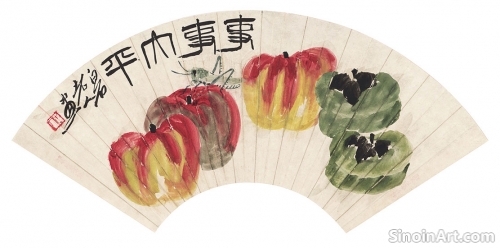 The Zen focus on simplicity and directness aligns with the minimalist aesthetic of Xieyi. Artists seek to capture the essence of a subject with as few strokes as possible, discarding unnecessary details to focus on the core elements. The emphasis is always placed on the importance of focus and simplicity. 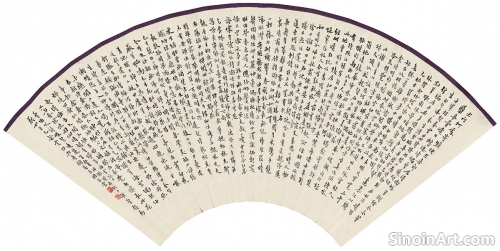 The emphasis on capturing the “spirit” rather than exact form in Xieyi is another connection to Zen philosophy. Zen focuses on the present moment and the true essence of things, reflecting this value through the brushstroke. By embracing spontaneity, intuition, and a direct connection with the present moment, Xieyi artists aim to create work that reflects the core principles of Zen. These works capture the essence of life, leaving an expressive, impactful mark. |
Tag : Zen Influence on Xieyi, Xieyi and Zen Buddhism, Buddhist Art and Xieyi, Spiritual Ink Painting, Zen Literati Painting
Related information
- The "Three Perfections" in Xieyi
- Xieyi Painting as a Means of Meditation
- The Concept of "Yi Bi Cheng Qiao" in Xieyi
- Xieyi Painting and the Appreciation of Imperfection
- Early Development of Xieyi: Song and Yuan Dynasties
The "Three Perfections" (sānjué) – poetry, calligraphy, and painting – represent the holistic literati ideal, emphasizing the integration of these three art forms as a complete expression of the artist's personal feeling, thought, and their connection to tradition, with calligraphy’s influence often seen in Xieyi’s brushwork.
The practice of Xieyi painting serves as a form of meditation, fostering mindfulness, focus, and a sense of connection with the inner self, nature, and the creative process, allowing artists to express inner feelings, explore personal growth, and find a sense of peace and balance.
"Yi Bi Cheng Qiao" (skill achieved in one brushstroke) is a key concept in Xieyi, emphasizing precision, confidence, and spontaneity in each brushstroke, aiming for efficiency, expressiveness, and a seemingly effortless display of skill, acquired through dedicated training and a deep connection with the art form.
Xieyi painting embraces imperfection as a source of beauty and reflects the spontaneity of the natural world, valuing the unpredictable nature of ink and brushstrokes, the unique hand of the artist, and the philosophy of Daoism, inviting viewers to appreciate the process and the authentic human element within the artwork.
The roots of Xieyi painting can be traced back to the Song Dynasty (960-1279), when scholar-officials began to develop a distinctive style of painting that reflected their unique values and aesthetics. The emphasis shifted from courtly patronage to individual expression, setting the stage for the emergence of Xieyi.