The Refinement of Song Ceramics: An Introduction
|
The Song Dynasty (960-1279) is often considered a golden age for Chinese ceramics, marked by a profound refinement in technique, form, and aesthetic sensibilities. Unlike the earlier dynasties with their often bolder and more decorative styles, Song ceramics emphasized subtlety, elegance, and a deep appreciation for the natural beauty of the materials. This period saw the rise of many kilns producing a variety of distinct and exceptional ceramic wares. The Song Dynasty’s ceramic production was notable for its quality and grace. 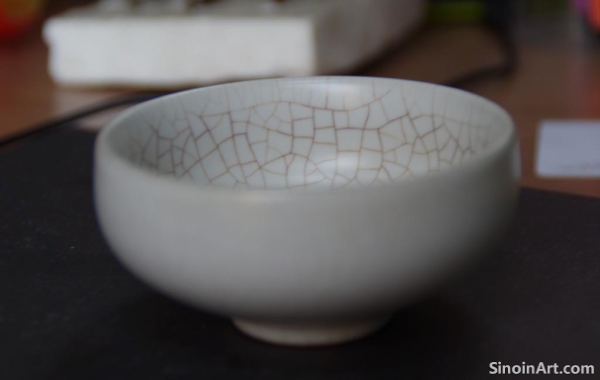 One of the defining characteristics of Song ceramics is the focus on monochrome glazes. These single-color glazes, often in subtle shades of green, blue, white, and black, highlight the purity of form and the delicate textures of the ceramic body. The potters of this period achieved an astonishing level of technical skill, producing glazes that were incredibly smooth, lustrous, and varied in their subtleties. These glazes were a major focus of the potters’ skill. 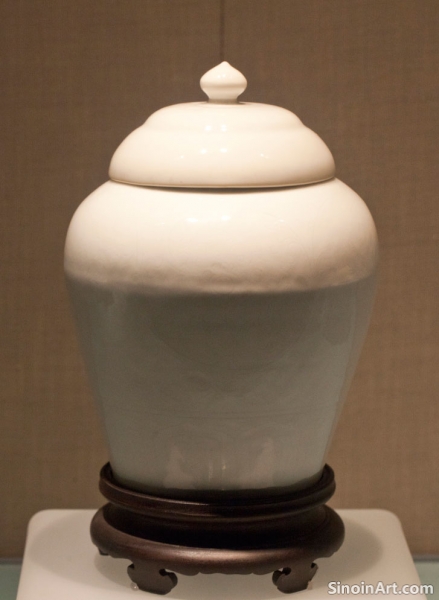 The forms of Song ceramics were also notable for their simplicity and elegance. Vases, bowls, dishes, and other objects were often inspired by natural shapes, such as flowers, gourds, and leaves. This emphasis on natural forms is reflective of the prevailing aesthetic ideals of the time. The focus on elegant form is still admired today. 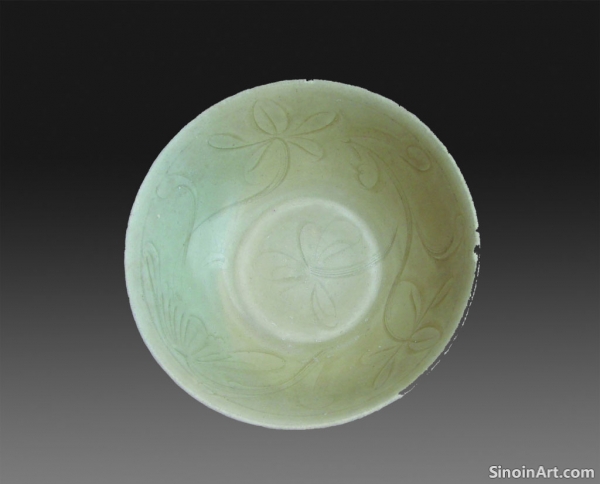 The Song Dynasty saw the development of several distinct ceramic wares, including celadon, Jun ware, Ding ware, and Guan ware. Each of these wares had its own unique characteristics, from the jade-like green glaze of celadon to the rich, opalescent colors of Jun ware. Each ware is an example of artistic and technical excellence. The influence of Song ceramics on later generations of ceramic artists is undeniable. It remains a touchstone for those looking for the highest standards of craftsmanship and aesthetic beauty. The legacy of the Song is still being felt today in many areas of ceramic production. The period represents an important high point in ceramic development. |
Tag : Song Dynasty ceramics, Chinese ceramics, Song pottery, Celadon, Monochrome glazes
Related information
- Guan Ware: The Mystery of Imperial Ceramics
- The Elegance of Guan Ware and Ge Ware Crackle Glazes
- Decorative Techniques in Song Ceramics
- Jun Ware: A Splash of Color in the Song Dynasty
- The Influence of Tea Culture on Song Ceramics
Guan ware, rare imperial ceramics of the Southern Song, are characterized by thick, crackled glazes in shades of gray, blue, or green, understated forms, and an enduring sense of mystery surrounding their production and kilns.
Guan ware and Ge ware, both associated with the Southern Song Dynasty, are known for their distinctive crackled glazes, which were caused by the different contraction rates of the glaze and the ceramic body. These wares, which are also often referred to as “crackled ware”, exhibit a wide variety of crackle patterns, from fine “fish roe” patterns to more pronounced “ice crackle” patterns.
Song Dynasty ceramics employed various subtle decorative techniques like carving, incising, molding, and impressing, adding texture and visual interest while allowing the simple forms and glazes to remain the focus.
Jun ware, produced in kilns in Henan province, is distinguished by its vibrant, opalescent glazes, which range in color from sky blue to lavender, crimson, and even deep purple. Unlike the more restrained celadons and monochromes of the Song Dynasty, Jun ware is known for its dramatic splashes of color and bold, expressive forms. The vibrant colour palette makes them stand out from the more muted forms of Song Dynasty pottery.
Song Dynasty tea culture had a profound impact on ceramics, leading to the creation of specialized tea bowls like Jian ware with unique glazes and forms, reflecting the period’s emphasis on simplicity, elegance, and mindfulness.