The Influence of Tea Culture on Song Ceramics
|
The flourishing tea culture of the Song Dynasty had a significant influence on the development of ceramic forms and styles. The increasing popularity of tea, especially the powdered matcha style, led to the creation of specialized bowls, teapots, and other utensils. The importance of tea culture had a direct impact on the shapes and decoration of Song ceramics. 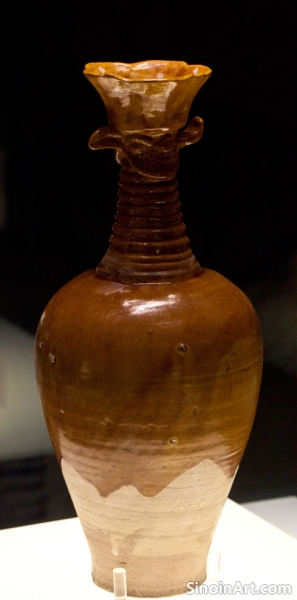 Jian tea bowls, with their deep, conical forms and their “hare’s fur” glazes, were specifically designed to enhance the experience of drinking tea. The dark colors of the bowls provided a striking contrast to the green of the matcha, and the shape of the bowl helped to maintain the warmth of the tea. The Jian bowls are specifically designed for the tea ceremony of the era. 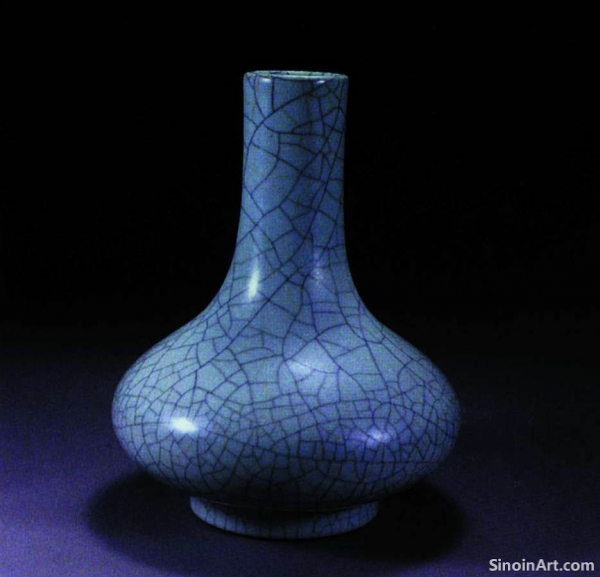 Other types of bowls, such as those from Ding and other kilns, were also used for tea, each with their own unique aesthetic and functional qualities. The design and form of a tea bowl was vital to the tea-drinking experience. There are many styles of bowls made for different uses and occasions. 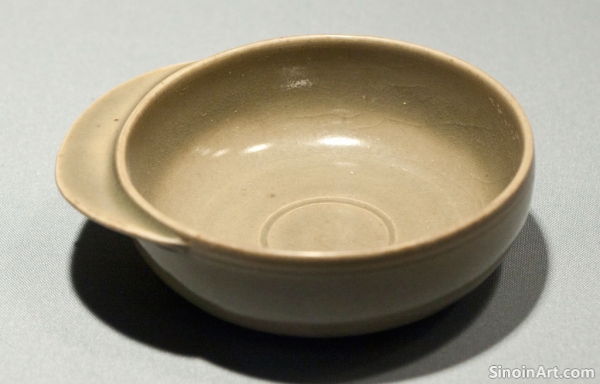 The influence of tea culture on Song ceramics also reflects the overall emphasis on simplicity, elegance, and mindfulness that characterized the aesthetic ideals of the period. The ritual of the tea ceremony was an important part of Song culture. The art and the ritual went hand in hand. The enduring legacy of the tea culture on Song ceramics is evident in the continued appreciation for these pieces. The tea bowls and other related objects are highly valued and seen as masterpieces of the ceramic arts. The legacy of tea remains influential today. |
Tag : Song tea bowls, Tea culture, Jian ware, Chinese ceramics, Song Dynasty
Related information
- Guan Ware: The Mystery of Imperial Ceramics
- The Global Influence of Song Dynasty Ceramics
- The Beauty of Celadon: Longquan and Beyond
- The Elegance of Ding Ware: White Beauty
- The Everyday Elegance of Song Dynasty Ceramics
Guan ware, rare imperial ceramics of the Southern Song, are characterized by thick, crackled glazes in shades of gray, blue, or green, understated forms, and an enduring sense of mystery surrounding their production and kilns.
Song Dynasty ceramics have had a profound influence on ceramic traditions around the world, with their beauty, elegance, and technical sophistication inspiring potters in many different cultures. The influence of Song wares has been felt throughout Asia, Europe, and even the Americas, and this speaks to the global importance of Chinese ceramics.
Celadon, a jade-like green glazed ceramic, is a hallmark of Song Dynasty pottery, especially Longquan celadon, known for its pure color, smooth texture, and elegant forms, and also includes distinctive styles like that of Yaozhou.
Ding ware, a highly prized Song Dynasty white porcelain, is known for its fine, thin body, smooth ivory-white glaze, and delicately carved or impressed designs, embodying the Song preference for simple elegance and refined craftsmanship.
While Song ceramics are often celebrated for their rare and exquisite pieces made for the imperial court, a wealth of utilitarian wares were also produced for everyday use. These pieces, while perhaps less elaborate than court ceramics, exhibit a refined sense of beauty and practicality, demonstrating the ubiquitous presence of ceramics in Song Dynasty life. These pieces are an important window into everyday life during this period.