Jun Ware: A Splash of Color in the Song Dynasty
|
Jun ware, produced in kilns in Henan province, is distinguished by its vibrant, opalescent glazes, which range in color from sky blue to lavender, crimson, and even deep purple. Unlike the more restrained celadons and monochromes of the Song Dynasty, Jun ware is known for its dramatic splashes of color and bold, expressive forms. The vibrant colour palette makes them stand out from the more muted forms of Song Dynasty pottery.  The creation of Jun ware involved meticulous glaze application and precise control of firing conditions. The vibrant colors were achieved through the use of copper and iron oxide, and the thickness of the glaze also contributed to the overall visual effect.  The forms of Jun ware pieces were often simple and robust, such as bowls, dishes, and vases, designed to showcase the beauty of the glaze. The overall form of the pieces was designed to make the glaze as visually striking as possible. 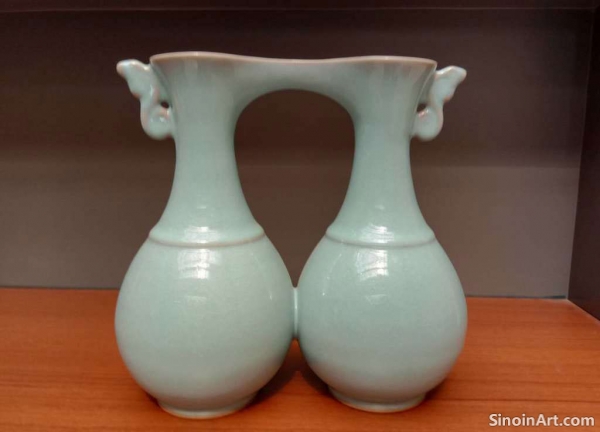 Jun glazes often exhibit a subtle mottling or streaking, and this natural variation adds a level of depth and visual complexity to these wares. No two pieces of Jun ware are exactly alike, as the firing process created unique results every time. Jun ware’s vibrant colors and expressive forms make it a highly valued and distinctive type of Song Dynasty ceramics, which demonstrates the diversity of ceramic production during this period. |
Tag : Jun ware, Song Dynasty pottery, Chinese colored glaze, opalescent pottery, vibrant glazes
Related information
- The Dark Beauty of Jian Ware Tea Bowls
- The Global Influence of Song Dynasty Ceramics
- The Beauty of Celadon: Longquan and Beyond
- Song Dynasty Ceramics and the Tea Ceremony
- The Role of the Kilns in Song Ceramic Innovation
Jian ware tea bowls, produced in the kilns of Jianyang (modern-day Fujian province), are among the most revered ceramics of the Song Dynasty. Characterized by their dark, often black, glazes, often displaying a unique hare's fur or oil spot effect, Jian ware tea bowls were particularly prized by Zen Buddhist monks and tea connoisseurs for their aesthetic and functional qualities. The dark hues and varied patterning made them ideal for showcasing the light colour of the tea itself.
Song Dynasty ceramics have had a profound influence on ceramic traditions around the world, with their beauty, elegance, and technical sophistication inspiring potters in many different cultures. The influence of Song wares has been felt throughout Asia, Europe, and even the Americas, and this speaks to the global importance of Chinese ceramics.
Celadon, a jade-like green glazed ceramic, is a hallmark of Song Dynasty pottery, especially Longquan celadon, known for its pure color, smooth texture, and elegant forms, and also includes distinctive styles like that of Yaozhou.
The Song Dynasty saw the flourishing of tea culture, and ceramics played a central role in the rituals and practices surrounding tea consumption. Specific types of tea bowls, teapots, and other tea wares were developed to enhance the tea-drinking experience. The ritualistic elements of tea consumption made the ceramic pieces important elements of daily life in the Song period.
Song Dynasty kilns, such as those in Longquan, Ding, Jun, and Jian, were centers of experimentation and artistic innovation, advancing kiln technology, glaze effects, and the training of potters, leading to a diversity of high-quality ceramic styles.