The Elegance of Guan Ware and Ge Ware Crackle Glazes
|
Guan ware and Ge ware, both associated with the Southern Song Dynasty, are known for their distinctive crackled glazes, which were caused by the different contraction rates of the glaze and the ceramic body. These wares, which are also often referred to as “crackled ware”, exhibit a wide variety of crackle patterns, from fine “fish roe” patterns to more pronounced “ice crackle” patterns.  Guan ware, associated with imperial use, is characterized by its refined forms, often with thick, layered glazes in shades of gray, blue-green, or lavender. Ge ware, which was produced for a slightly wider market, exhibits an even wider range of crackle patterns and glaze colors. Each piece has a unique pattern formed during the firing process. 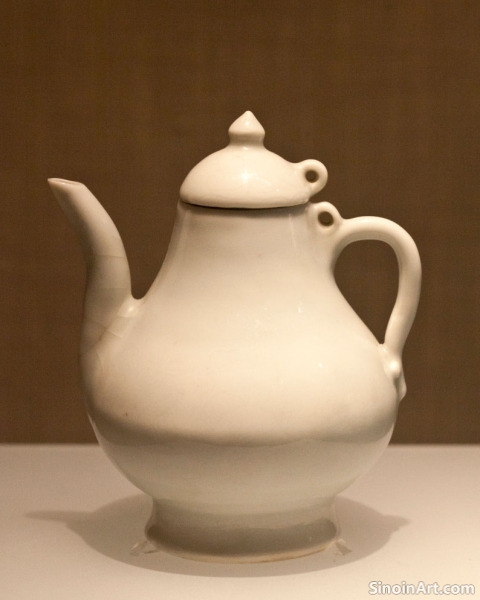 The forms of Guan and Ge wares are often simple, elegant, and functional, with an emphasis on the beauty of the glaze rather than elaborate decoration. The beauty of these pieces lies in the interplay of form and glaze. 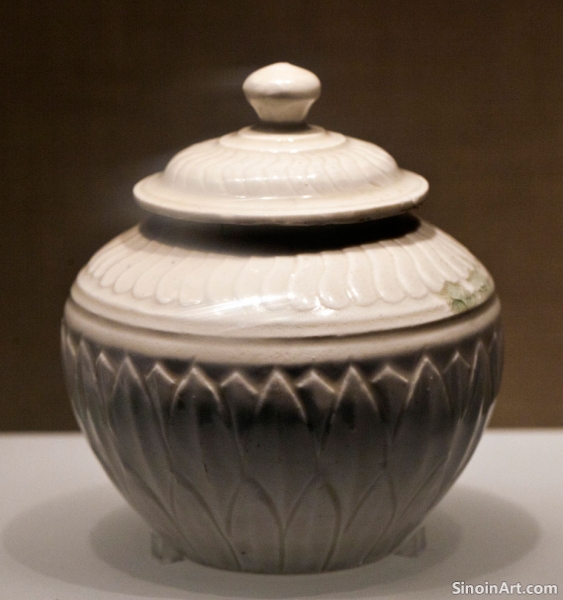 The creation of Guan and Ge wares involved intricate kiln techniques, allowing for the precise control of firing temperature and atmosphere, which resulted in the unique crackle patterns of each piece. The technical expertise of potters is central to understanding the beauty of these pieces. The enduring popularity of Guan and Ge wares is a testament to the artistic vision of Song potters and the enduring fascination with the beauty of natural, unrepeatable processes. These pieces remain highly prized by collectors and admired for their unique beauty and character. |
Tag : Guan ware, Ge ware, Song crackle glaze, Chinese pottery, crackled porcelain
Related information
- The Beauty of Celadon: Longquan and Beyond
- The Elegance of Ding Ware: White Beauty
- The Influence of Tea Culture on Song Ceramics
- The Role of the Kilns in Song Ceramic Innovation
- The Delicate Beauty of Ru Ware Porcelain
Celadon, a jade-like green glazed ceramic, is a hallmark of Song Dynasty pottery, especially Longquan celadon, known for its pure color, smooth texture, and elegant forms, and also includes distinctive styles like that of Yaozhou.
Ding ware, a highly prized Song Dynasty white porcelain, is known for its fine, thin body, smooth ivory-white glaze, and delicately carved or impressed designs, embodying the Song preference for simple elegance and refined craftsmanship.
Song Dynasty tea culture had a profound impact on ceramics, leading to the creation of specialized tea bowls like Jian ware with unique glazes and forms, reflecting the period’s emphasis on simplicity, elegance, and mindfulness.
Song Dynasty kilns, such as those in Longquan, Ding, Jun, and Jian, were centers of experimentation and artistic innovation, advancing kiln technology, glaze effects, and the training of potters, leading to a diversity of high-quality ceramic styles.
Ru ware, produced for a short period during the late Northern Song Dynasty, is among the rarest and most highly valued of all Chinese ceramics. Known for their delicate bluish-green celadon glaze, often described as the color of "sky after rain," Ru ware pieces are celebrated for their understated elegance, simple forms, and subtle crackle patterns. They are highly sought after by collectors and admired for their timeless beauty.