Decorative Techniques in Song Ceramics
|
While the beauty of Song ceramics often lies in the simplicity of their forms and the subtlety of their glazes, decorative techniques also played an important role in shaping their aesthetic. Techniques such as carving, incising, molding, and impressing were used to add texture and visual interest to many Song pieces. The decoration adds to the overall aesthetic value of these ceramics. 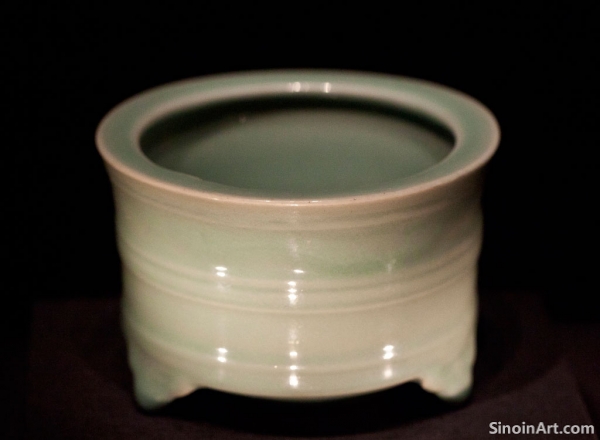 Carving and incising were often used on celadon and Ding wares to create delicate patterns beneath the glaze. These patterns might include floral motifs, cloud designs, or geometric shapes. This added a subtle level of detail that is beautiful without overpowering the piece. 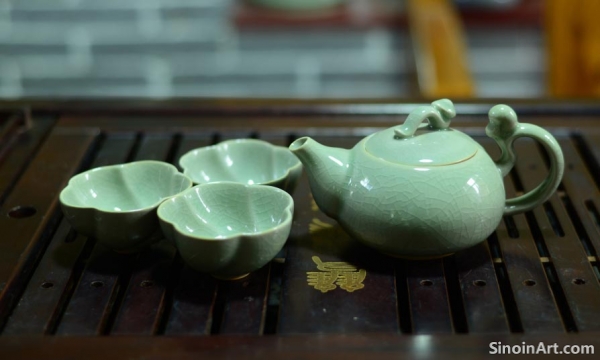 Molding was used to create relief designs on a variety of ceramics, often on jun ware and other wares where the glaze itself was the dominant aesthetic. These molded forms create a subtle sense of visual depth. The molded relief work is a fine example of the potters’ skills. 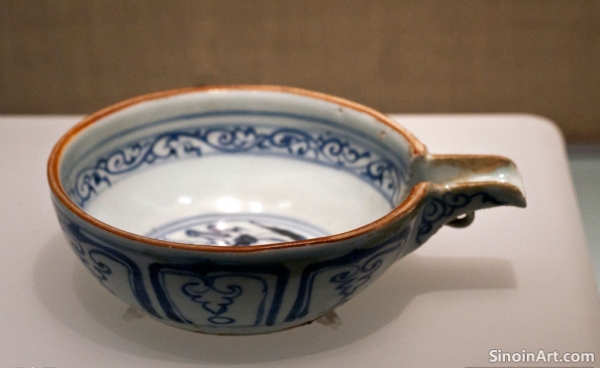 Impressing techniques, using stamps or tools, were also used to add decorative elements to ceramics such as bowls and dishes. These techniques were a way to add detail with some efficiency. They are often seen in the more everyday wares. The decorative techniques used on Song ceramics were often subtle and understated, allowing the beauty of the form and the glaze to remain the primary focus. The beauty of the piece was always placed first by the ceramic artists. The delicate decoration adds to the overall effect. |
Tag : Song ceramic decoration, Incising, Carving, Molding, Decorative techniques
Related information
- The Everyday Elegance of Song Dynasty Ceramics
- The Role of the Kilns in Song Ceramic Innovation
- Collecting and Appreciating Song Ceramics Today
- The Beauty of Celadon: Longquan and Beyond
- Jun Ware: The Art of Transmutation
While Song ceramics are often celebrated for their rare and exquisite pieces made for the imperial court, a wealth of utilitarian wares were also produced for everyday use. These pieces, while perhaps less elaborate than court ceramics, exhibit a refined sense of beauty and practicality, demonstrating the ubiquitous presence of ceramics in Song Dynasty life. These pieces are an important window into everyday life during this period.
Song Dynasty kilns, such as those in Longquan, Ding, Jun, and Jian, were centers of experimentation and artistic innovation, advancing kiln technology, glaze effects, and the training of potters, leading to a diversity of high-quality ceramic styles.
Song Dynasty ceramics are highly valued today by collectors and museums due to their historical significance, artistic beauty, and technical sophistication, requiring detailed knowledge for informed collection, appreciation, and authentication.
Celadon, a jade-like green glazed ceramic, is a hallmark of Song Dynasty pottery, especially Longquan celadon, known for its pure color, smooth texture, and elegant forms, and also includes distinctive styles like that of Yaozhou.
Jun ware, a distinctive Song Dynasty ceramic style, is known for its thick, opalescent glazes in a range of colors, achieved through carefully controlled firing processes, often exhibiting dramatic and unpredictable visual effects.