Guan Ware: The Mystery of Imperial Ceramics
|
Guan ware is a rare and mysterious ceramic style produced for the imperial court during the Southern Song Dynasty. These pieces are characterized by their thick, crackled glazes, often in shades of gray, blue, or green, and their understated forms. Guan ware was some of the most highly prized ceramics of its time. 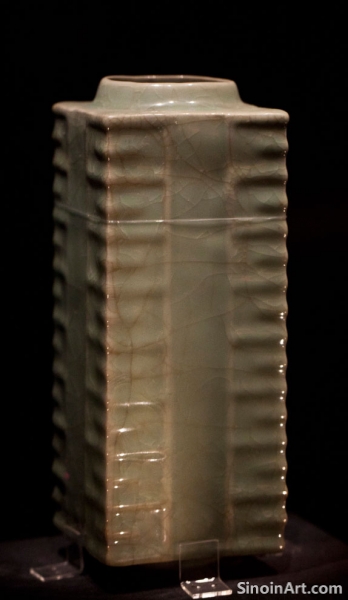 The kilns that produced Guan ware have not been definitively identified, adding to the mystique surrounding these pieces. This mystery has further added to the intrigue surrounding these imperial wares. Scholars have worked hard to try to ascertain the exact source of these magnificent pieces.  Guan ware is often characterized by its deliberately crackled glaze, known as “crazing.” This effect was achieved by carefully controlling the cooling process during firing. The crackle is part of the intended design aesthetic and showcases the potter’s technical skills. 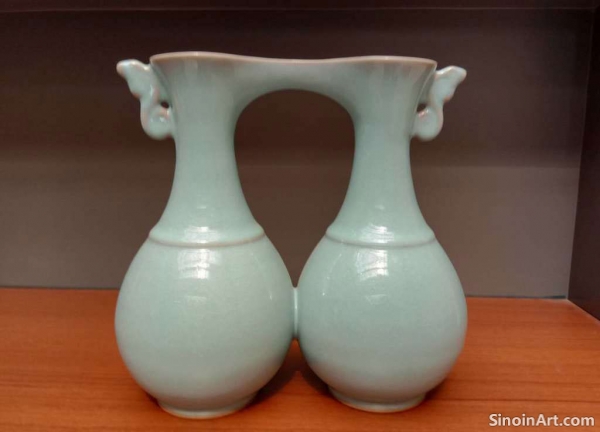 The forms of Guan ware were often simple, elegant, and understated, reflecting the aesthetic tastes of the imperial court. These pieces were made for the elite and represent the highest standards of ceramics craftsmanship. The forms allow the viewer to focus on the glaze and the subtle details of the construction. The enduring appeal of Guan ware lies in its rarity, its exquisite craftsmanship, and the sense of mystery that surrounds its production. Guan ware is highly valued for its subtlety and its refined craftsmanship. These ceramics are some of the most sought after from the Song Dynasty. |
Tag : Guan ware, Song Dynasty, Imperial ceramics, Crackled glaze, Chinese pottery
Related information
- The Everyday Elegance of Song Dynasty Ceramics
- The Role of the Kilns in Song Ceramic Innovation
- Jun Ware: The Art of Transmutation
- The Elegance of Ding Ware: White Beauty
- The Dark Beauty of Jian Ware Tea Bowls
While Song ceramics are often celebrated for their rare and exquisite pieces made for the imperial court, a wealth of utilitarian wares were also produced for everyday use. These pieces, while perhaps less elaborate than court ceramics, exhibit a refined sense of beauty and practicality, demonstrating the ubiquitous presence of ceramics in Song Dynasty life. These pieces are an important window into everyday life during this period.
Song Dynasty kilns, such as those in Longquan, Ding, Jun, and Jian, were centers of experimentation and artistic innovation, advancing kiln technology, glaze effects, and the training of potters, leading to a diversity of high-quality ceramic styles.
Jun ware, a distinctive Song Dynasty ceramic style, is known for its thick, opalescent glazes in a range of colors, achieved through carefully controlled firing processes, often exhibiting dramatic and unpredictable visual effects.
Ding ware, a highly prized Song Dynasty white porcelain, is known for its fine, thin body, smooth ivory-white glaze, and delicately carved or impressed designs, embodying the Song preference for simple elegance and refined craftsmanship.
Jian ware tea bowls, produced in the kilns of Jianyang (modern-day Fujian province), are among the most revered ceramics of the Song Dynasty. Characterized by their dark, often black, glazes, often displaying a unique hare's fur or oil spot effect, Jian ware tea bowls were particularly prized by Zen Buddhist monks and tea connoisseurs for their aesthetic and functional qualities. The dark hues and varied patterning made them ideal for showcasing the light colour of the tea itself.