The Legacy of Zhou Dynasty Bronzes: Shaping Later Chinese Ritual and Culture
|
The bronze ware produced during the Zhou Dynasty, with their inscriptions, symbolic designs, and their focus on ritual and ancestor worship, had a profound and lasting impact on later Chinese art and culture. The Zhou dynasty helped to solidify many of the traditions that would be seen for generations to come, and its impact can still be seen in Chinese culture today. The legacy of the Zhou dynasty was essential to the development of China as we know it. 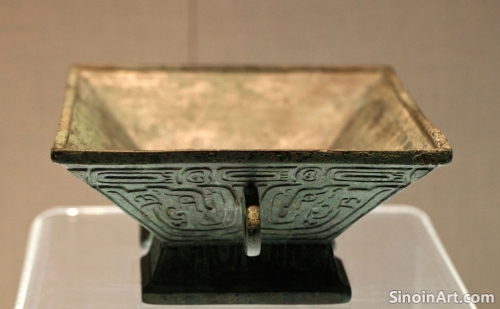 The emphasis on ritual performance, with the careful use of vessels, instruments, and other objects, continued to influence later Chinese religious and social practices, helping to establish the format of many types of cultural events. The importance of ritual and tradition helped to shape many aspects of Chinese culture. The lasting importance of ritual is a key element in understanding the culture of the region.  The forms and designs of Zhou bronze ware, including the ding, gui, zun, and other vessels, became iconic and were frequently copied and adapted by later generations of artists and craftsmen. The lasting visual legacy of the Zhou bronze workers can still be readily seen in both historical and contemporary art forms. 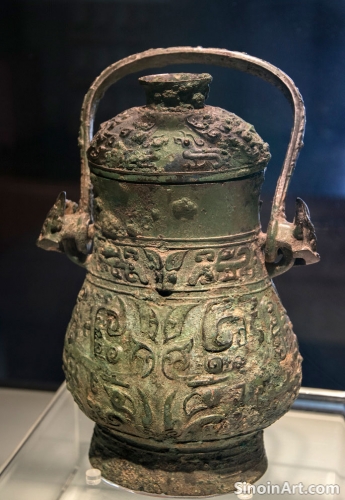 The inscriptions on Zhou bronzes, with their focus on lineage, history, and moral pronouncements, helped to shape the way that future generations approached the recording of history and the study of the past. The emphasis on preserving and recording history helped to solidify China’s connection to its own past. The practice of inscription helped to set the stage for later forms of communication and record keeping. The legacy of Zhou bronze ware is a testament to their lasting importance in the history of Chinese art, religion, and culture, and their enduring influence over the development of Chinese society. The influence of the Zhou period can still be seen in the art, culture, and traditions of modern day China. The legacy of Zhou bronze ware continues to be deeply influential in Chinese culture. |
Tag : Zhou bronze legacy, Chinese rituals, ancestral worship, cultural impact, art history
Related information
- The Use of Bronze in Ancient Chinese Transportation: Chariots and Fittings
- The Role of Bronze in Ancient Chinese Communication: Inscriptions, Messages, and Records
- The Impact of Bronze Ware on Ancient Chinese Burial Customs: Ritual Objects and the Afterlife Journey
- Bronze Ware and the Rise of Cities in Ancient China: Power, Trade, and Urban Centers
- Beyond Bronze: Other Materials Used in Conjunction with Bronze Ware
This article explores the use of bronze in ancient Chinese transportation, particularly in the construction and decoration of chariots, emphasizing its role in enhancing strength, durability, visual appeal, and as a symbol of power and status.
This article explores the role of bronze in ancient Chinese communication, highlighting how bronze objects were used to record messages, transmit laws, document events, and how they served as a medium for communication and knowledge transmission.
This article explores the impact of bronze ware on ancient Chinese burial customs, highlighting their role as grave goods, their connection to beliefs about the afterlife, and how they reflect the status and spiritual needs of the deceased.
This article explores the connection between bronze ware and the rise of cities in ancient China, highlighting its role in economic activity, the concentration of wealth, the reinforcement of power, and the cultural flourishing of urban centers.
This article explores the materials used in conjunction with bronze ware in ancient China, highlighting the use of jade, bone, shell, and wood to create more complex and multifaceted objects, showcasing the versatility of ancient craftsmanship.