Beyond Bronze: Other Materials Used in Conjunction with Bronze Ware
|
While bronze was the primary material used in the creation of many iconic objects in ancient China, it was often combined with other materials, such as jade, bone, shell, and wood, to create pieces that were even more complex and multifaceted in both function and design. The combination of materials helped to create some of the most beautiful and intricate pieces of ancient Chinese art. 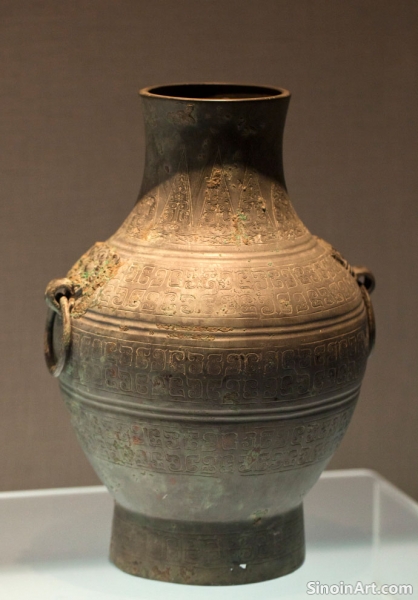 Jade, a highly valued stone in ancient China, was often incorporated into bronze objects, either as inlaid decorations or as components of the bronze objects themselves. The inclusion of jade helped to add a sense of beauty and spiritual power to the bronze pieces. Jade was often used in bronze work to enhance the visual and symbolic aspects of the art form. 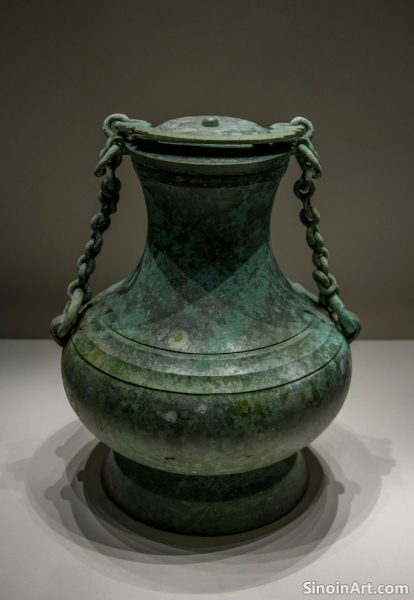 Bone and shell were often used for decorative purposes, particularly inlays and embellishments, adding texture and visual contrast to bronze objects. The inclusion of bone and shell helped to add unique visual qualities to the bronzes. The combination of different materials helped to create truly unique pieces.  Wood was used in the creation of handles, bases, and other structural components, providing functional support for the bronze and adding to the overall size and impact of the object. The use of wood allowed for more complex and larger designs. The combination of bronze and wood allowed for the creation of more durable and sophisticated pieces. The combination of these materials with bronze highlights the ingenuity and craftsmanship of the ancient Chinese artisans, who were masters of both metallurgy and material design. The combination of different materials added new levels of both beauty and complexity to the pieces. |
Tag : bronze ware materials, jade inlays, Chinese art, ancient craftsmanship, mixed media art
Related information
- The Role of Bronze Ware in Ancient Chinese Trade with Southeast Asia: Exchange of Goods and Cultural Ideas
- Bronze Ware and Ancient Chinese Beliefs About the Afterlife: Providing for the Journey and Eternal Life
- The Use of Bronze in Ancient Chinese Water Control: Dams, Canals, and Irrigation Systems
- The Use of Bronze in Ancient Chinese Musical Instruments: Exploring Tonality and Harmony
- The Influence of Ancient Chinese Bronze Ware on Later Japanese Art and Design
This article explores the role of bronze ware in ancient Chinese trade with Southeast Asia, highlighting the exchange of goods, the spread of cultural ideas, and the impact on both economic and artistic development across the region.
This article explores the use of bronze ware in ancient Chinese tombs, highlighting its role in providing for the deceased's journey into the afterlife, offering protection, and reflecting beliefs about continuity and eternal existence.
This article explores the use of bronze in ancient Chinese water control systems, highlighting its role in creating durable components for dams, canals, and irrigation networks, and demonstrating its importance for agricultural development and water management.
This article explores the use of bronze in ancient Chinese musical instruments, highlighting the precise tuning, the exploration of tonality and harmony, and how these instruments reflected both musical practices and the advanced understanding of acoustics during the period.
This article explores the influence of ancient Chinese bronze ware on later Japanese art and design, highlighting the adoption of Chinese forms and techniques, the development of unique Japanese styles, and the impact of cultural exchange on creative expression.