The Impact of Bronze Ware on Ancient Chinese Burial Customs: Ritual Objects and the Afterlife Journey
|
The use of bronze ware in ancient Chinese burial customs was far more than a simple act of placing valuable objects in tombs; it was a complex ritual imbued with deep spiritual significance, designed to equip the deceased for their journey into the afterlife and to ensure their continued prosperity in the spirit world. The careful selection of objects and their placement in the tomb reflect the elaborate and meaningful nature of ancient Chinese burial practices. 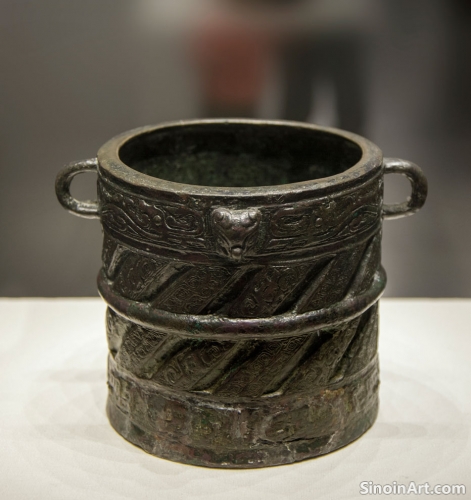 Bronze ritual vessels, weapons, musical instruments, and personal objects were frequently included as grave goods, reflecting the belief that the deceased would require these items in the afterlife. These objects were seen as essential for the comfort and security of the spirit as it moved into the world beyond. 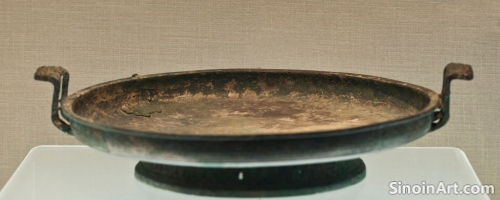 The quantity and quality of bronze objects placed in tombs often directly correlated with the social status of the deceased, reflecting their position in the world of the living and their expected status in the afterlife. The use of these objects helped to communicate the power and status of the deceased. The care with which these objects were arranged in the burial sites was a key element of ancient funerary traditions. Inscriptions on bronze objects placed in tombs often included prayers, blessings, and other messages to the spirits of the deceased, seeking to ensure their safe passage and continued well-being. These inscriptions were designed to help the departed in their journey into the afterlife, and to connect the living to the spirits of their ancestors. The study of bronze ware in funerary contexts helps to illuminate the beliefs about the afterlife, the social structures of ancient society, and the role of ritual in both the living and in the world beyond. The practices surrounding death were as important as the practices governing life. The care with which the burials were created and prepared is a testament to the importance of tradition in ancient Chinese culture. |
Tag : bronze burial customs, Chinese afterlife beliefs, funerary rituals, tomb artifacts, grave goods
Related information
- Analyzing the Surface Patina of Chinese Bronze Ware: A Story of Time and Environment
- The Ritual Vessels of the Shang Dynasty: Power and Symbolism in Bronze
- The Influence of Bronze Ware on Ancient Chinese Clothing and Adornment: Jewelry, Belt Hooks, and Ornaments
- Bronze Ware and the Development of Ancient Chinese Scientific Thought: Experimentation, Observation, and Knowledge
- The Evolution of Bronze Bell Design in China: From Simple Forms to Complex Chimes
This article explores the surface patina of Chinese bronze ware, discussing its formation, its value as a historical record, the factors that influence its appearance, and the techniques used to distinguish between natural and artificial patinas.
This article focuses on the ritual vessels of the Shang Dynasty, exploring their role in ancestral rites, their symbolic designs including the taotie, and highlighting the remarkable craftsmanship of the bronze workers.
This article explores the use of bronze in ancient Chinese clothing and adornment, highlighting the creation of jewelry, belt hooks, buckles, and other decorative elements, and demonstrating the integration of art, fashion, and social expression.
This article explores how bronze ware played a role in the development of ancient Chinese scientific thought, highlighting its use in experimentation, observation, the creation of scientific instruments, and the preservation of knowledge, underscoring the connection between technology and the scientific understanding of the world.
This article explores the evolution of bronze bell design in China, highlighting the transition from simple bells to complex bianzhong chimes, the development of tuning techniques, and their significance in both music and ritual.