Bronze Ware and the Rise of Cities in Ancient China: Power, Trade, and Urban Centers
|
The production and trade of bronze ware played a significant role in the rise of cities in ancient China, supporting economic growth, political consolidation, and the development of urban centers. The control of bronze, and its role in various aspects of life, helped to create a foundation for the urban environments of ancient China. 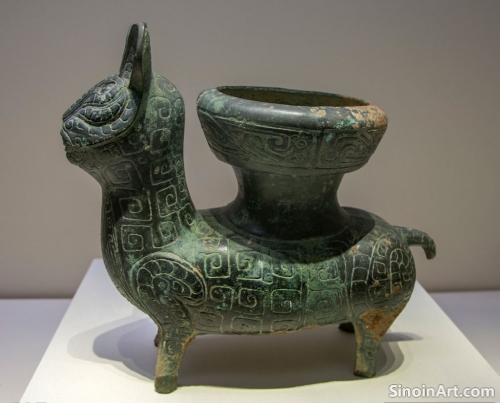 Cities often emerged as centers of bronze production, attracting skilled artisans, traders, and government officials, and helping to facilitate a concentration of wealth and power. The production of bronze was a large scale and complex undertaking that helped to draw people to urban areas. The development of urban centers was dependent on the technology and skills associated with bronze work. 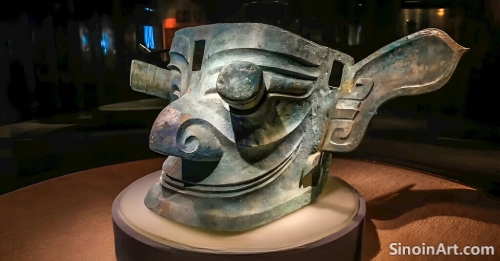 The use of bronze in ritual objects, weapons, and tools also helped to reinforce social hierarchies and consolidate political control, as rulers sought to monopolize the power and prestige associated with this material. The production and trade of bronze became a central part of the urban economic activity. The accumulation of resources in these urban areas helped to support a more complex social and political order. 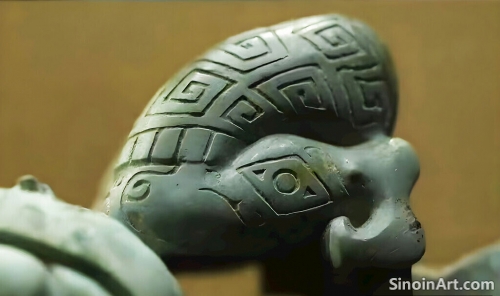 The presence of elaborate bronze artifacts in cities also highlights their role as cultural centers, where artistic and intellectual achievements were fostered and celebrated. Cities became centers for innovation, experimentation, and the preservation of knowledge and traditions. The growth of urban centers helped to facilitate a new phase in Chinese history and culture. The study of bronze ware and its connection to urban development reveals the complex interplay between economics, politics, and cultural practices in shaping the urban landscape of ancient China. The connection between the urban areas and the production of bronze is a vital element in understanding their overall importance in ancient Chinese culture. |
Tag : bronze cities, urban development, ancient trade, Chinese urbanization, economic growth
Related information
- Bronze Ware and Ancient Chinese Notions of Heaven and Earth: A Cosmic Worldview
- The Significance of the “Ding” in Ancient Chinese Culture: Ritual, Power, and Symbolism
- The Use of Bronze in Ancient Chinese Religious Practices: Temple Offerings and Sacred Spaces
- Bronze Ware and Ancient Chinese Mythology: Exploring the Interplay Between Myth, Art, and Ritual
- The Use of Bronze in Ancient Chinese Transportation: Chariot Decoration and the Display of Power
This article explores how bronze ware reflected ancient Chinese concepts of the cosmos, highlighting the integration of celestial symbols, the use of balanced forms, and the interplay between human activities and the perceived order of the universe.
This article focuses on the ding (鼎) in ancient Chinese culture, exploring its role in ritual practices, its symbolism of power and authority, and its continuing legacy as an iconic symbol of ancient China.
This article explores the use of bronze in ancient Chinese religious practices, highlighting its role in creating temple offerings, musical instruments, and other objects used to create sacred spaces and to facilitate communication with the divine.
This article explores the use of mythological imagery on Chinese bronze ware, highlighting the depiction of dragons, phoenixes, and other creatures, and how these motifs reflected ancient beliefs and helped to connect the earthly world with the spiritual realms.
This article explores the use of bronze in ancient Chinese chariot decoration, highlighting its role in communicating power and status, the visual symbolism used, and how these decorative elements enhanced both the aesthetic appeal and also the political message of these important vehicles of transport.