The Influence of the Silk Road on Tang Ceramics
|
The Tang Dynasty was a period of unprecedented prosperity and cultural exchange, largely due to the flourishing of the Silk Road. This network of trade routes not only facilitated the exchange of goods but also ideas and artistic styles. The influence of the Silk Road on Tang ceramics is undeniable, introducing new techniques, materials, and decorative motifs that transformed the landscape of Chinese pottery. The interaction between different cultures created a vibrant and cosmopolitan atmosphere reflected in the artistic output of the time. 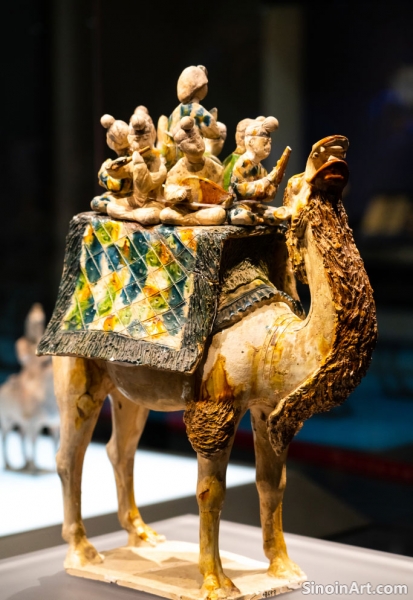 One of the most significant influences of the Silk Road on Tang ceramics was the introduction of new pigments and glaze technologies. Trade with the West brought access to cobalt, which allowed for the creation of blue glazes, previously a rarity in Chinese ceramics. This innovation led to the development of stunning blue-splashed wares, adding another dimension to the Tang color palette. The influence of Persian ceramics, particularly in decorative motifs and form, is also evident in many pieces. 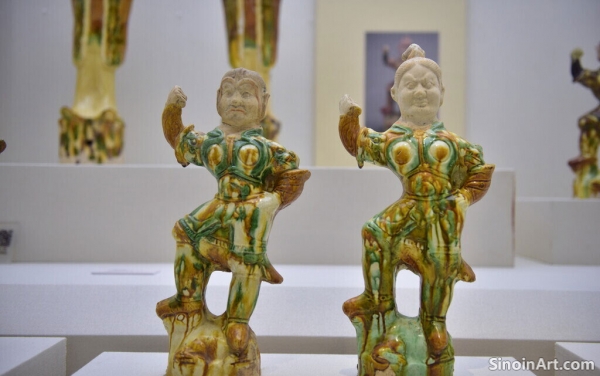 The exchange of ideas also resulted in the adoption of new shapes and vessel forms. The introduction of Western style ewers, pitchers, and bowls broadened the repertoire of Tang potters. These foreign designs were not simply copied but were often reinterpreted and adapted to suit Chinese aesthetics. This process of cultural integration resulted in unique ceramic pieces that were distinctly Tang in style while retaining echoes of their origins. 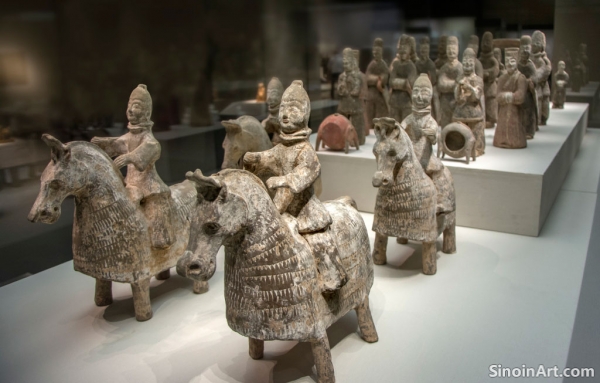 Beyond the technical aspects, the Silk Road also influenced the subject matter of Tang ceramics. The depiction of foreign figures, animals, and scenes became increasingly common. This reveals the cosmopolitan nature of Tang society and its openness to different cultures. The representation of Central Asian musicians, dancers, and merchants highlights the diversity of the empire and the importance of international exchange. The legacy of the Silk Road’s influence on Tang ceramics is profound. It enriched the artistic landscape of China and transformed Chinese pottery into a global art form. The integration of foreign techniques and styles with indigenous artistic traditions resulted in a uniquely Tang aesthetic. The vibrant and innovative spirit of Tang ceramics reflects the openness and dynamism of this influential period in Chinese history. |
Tag : Silk Road ceramics, Tang Dynasty trade, Chinese pottery influence, cobalt glaze, cultural exchange ceramics
Related information
- Tang Ceramics and Foreign Trade
- Collecting and Appreciating Tang Ceramics Today
- The Role of Kilns in Tang Ceramic Production
- Technological Advances in Tang Kilns
- The Forms of Tang Ceramics: Function and Artistry
The Tang Dynasty's open trade policies and the prominence of the Silk Road facilitated the widespread distribution of Tang ceramics to foreign lands. These ceramic wares, renowned for their beauty and quality, became valuable commodities in international trade, bringing Tang artistry and craftsmanship to distant corners of the world. The impact of this trade was significant, not only economically but also culturally.
Tang Dynasty ceramics are highly valued by collectors and museums for their historical significance, artistic beauty, and technical innovation, requiring a detailed understanding for informed collecting and appreciation of these important cultural artifacts.
The advancements in kiln technology during the Tang Dynasty played a pivotal role in the transformation of Chinese ceramics. Kilns are the heart of ceramic production, and the innovations made during this period directly impacted the quality, variety, and scale of ceramic wares. Understanding Tang kilns sheds light on the technical expertise of potters and the sophisticated infrastructure that supported the flourishing ceramic industry.
Tang Dynasty advancements in kiln technology, such as high-firing kilns and lead glaze control, enabled potters to produce a greater variety of higher-quality ceramics, significantly influencing later ceramic traditions.
Tang Dynasty ceramics feature diverse forms ranging from elegant ewers and sancai tomb figures to robust storage jars and architectural elements, showcasing the intersection of function, artistry, and the diverse needs of the era.