Tang Ceramics and Foreign Trade
|
The Tang Dynasty's open trade policies and the prominence of the Silk Road facilitated the widespread distribution of Tang ceramics to foreign lands. These ceramic wares, renowned for their beauty and quality, became valuable commodities in international trade, bringing Tang artistry and craftsmanship to distant corners of the world. The impact of this trade was significant, not only economically but also culturally.  Tang ceramics, particularly celadon and sancai wares, were highly sought after in various parts of Asia, the Middle East, and even Africa. Fragments of Tang ceramics have been unearthed at numerous archaeological sites along the Silk Road and beyond, testifying to their widespread popularity and influence. The discovery of Tang ceramics in places like Persia, Egypt, and Japan underscores the global reach of the Tang Dynasty's artistic output. 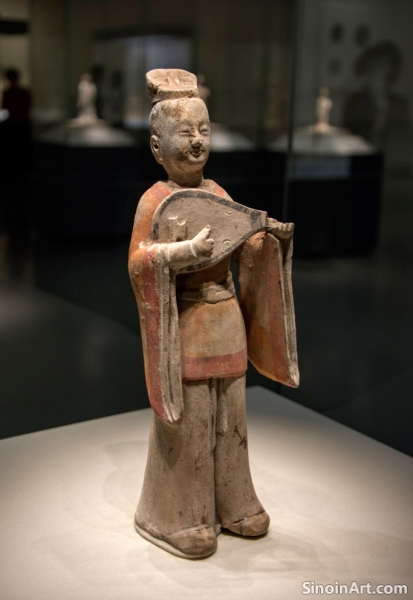 The export of Tang ceramics not only facilitated trade but also influenced the development of ceramics in other cultures. The unique forms, glazes, and decorative motifs of Tang wares often inspired local potters to adopt new techniques and styles. The influence of Tang ceramics can be seen in the pottery traditions of various countries, highlighting the cross-cultural artistic exchange that took place during this period. 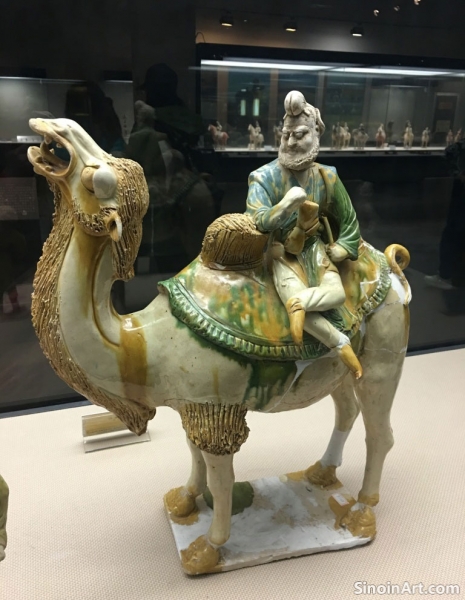 The trade in Tang ceramics also contributed to the prosperity of the Tang Dynasty. The export of these highly valued goods brought wealth to the imperial coffers and fueled the expansion of the ceramic industry. The demand for Tang wares also encouraged potters to continue innovating and refining their techniques, leading to further improvements in quality and design. The impact of Tang ceramics on foreign trade is profound. These artistic objects not only served as valuable trade commodities but also as ambassadors of Tang culture. The global distribution of Tang ceramics helped to spread the influence of Chinese art and design, leaving a lasting legacy in the history of ceramics and international trade. |
Tag : Tang Dynasty ceramic export, Silk Road trade, ancient Chinese pottery trade, cultural influence ceramics, international trade artifacts
Related information
- The Influence of Foreign Cultures on Tang Ceramics
- Sancai Glazes: A Tang Dynasty Innovation
- Changsha Ware: Bold Designs and Painted Decoration
- The Role of Kilns in Tang Ceramic Production
- The Evolution of Tang Porcelain Forms
The Tang Dynasty’s openness to international exchange significantly influenced its ceramics, evident in the adoption of foreign patterns, vessel forms, and decorative techniques, reflecting the cosmopolitan spirit of the era.
Sancai glazes, a key Tang innovation, are lead-based, three-color glazes (green, amber, and cream) applied to diverse ceramics, celebrated for their vibrant colors, distinctive textures, and reflection of the Tang Dynasty.
Changsha ware from the Tang Dynasty is characterized by bold, splashed, and painted underglaze designs in brown, green, and red, showcasing a unique aesthetic and the diversity of Tang ceramic production.
The advancements in kiln technology during the Tang Dynasty played a pivotal role in the transformation of Chinese ceramics. Kilns are the heart of ceramic production, and the innovations made during this period directly impacted the quality, variety, and scale of ceramic wares. Understanding Tang kilns sheds light on the technical expertise of potters and the sophisticated infrastructure that supported the flourishing ceramic industry.
The forms and shapes of Tang Dynasty ceramics were as diverse and dynamic as the society that produced them. From simple utilitarian bowls to elaborate ceremonial vessels, the ceramic forms reflected the varied functions and aesthetic preferences of the time. The evolution of Tang ceramic forms was also driven by technical innovations and artistic experimentation, resulting in a wide range of shapes and sizes that showcase the ingenuity of Tang potters.