Collecting and Appreciating Tang Ceramics Today
|
Today, Tang Dynasty ceramics are highly valued by collectors, museums, and art enthusiasts around the world. Their historical significance, artistic beauty, and technical innovations make them among the most sought-after objects of Chinese art. The enduring appeal of these pieces is a testament to the genius of Tang ceramic artists. 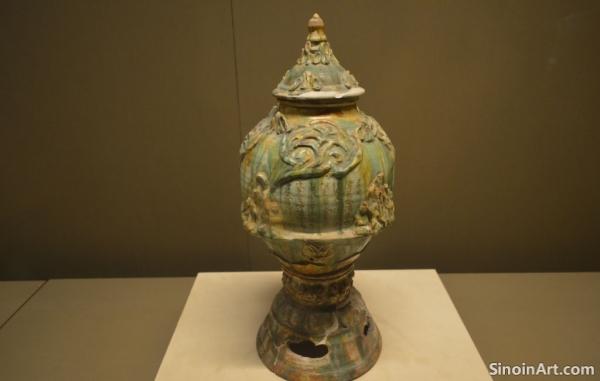 Collecting Tang ceramics requires a detailed knowledge of the different styles, kilns, glazes, and forms of the period. Expertise in these areas is essential for authenticating pieces and assessing their value. A careful study of this art form is well rewarded.  The value of Tang ceramics is determined by various factors, including age, condition, rarity, provenance, and artistic quality. Pieces with well-preserved sancai glazes and those with fine and detailed decoration are highly sought after. These pieces are often found in the collections of major museums around the world.  Museums and galleries around the world showcase Tang ceramics, educating the public about their importance, and preserving them for future generations. Their ongoing care of these pieces is vital for preserving this part of history. The Tang Dynasty is a constant source of artistic inspiration to this day. Appreciating Tang ceramics today means understanding not only their aesthetic qualities but also their historical and cultural significance, recognizing the skill and creativity of the potters who made them. Appreciating the cultural context is essential for a full appreciation of this art form. |
Tag : Tang ceramics collecting, Chinese art, Antique pottery, Sancai appraisal, Art history
Related information
- The Enduring Legacy of Tang Dynasty Ceramics
- Yue Ware Celadon: Subtle Elegance in Green
- The Influence of the Silk Road on Tang Ceramics
- Tang Ceramics and Foreign Trade
- The Evolution of Tang Porcelain Forms
The ceramic art of the Tang Dynasty represents a peak in Chinese ceramic history, leaving an enduring legacy that continues to inspire artists, collectors, and scholars today. The innovative techniques, vibrant colors, and elegant forms of Tang wares established a new standard for ceramic production, influencing subsequent generations of potters both in China and around the world.
Yue ware, a Tang Dynasty celadon, is characterized by subtle green glazes, elegant forms, and fine, smooth bodies, reflecting a quieter aesthetic and influencing later celadon traditions across Asia.
The Tang Dynasty was a period of unprecedented prosperity and cultural exchange, largely due to the flourishing of the Silk Road. This network of trade routes not only facilitated the exchange of goods but also ideas and artistic styles. The influence of the Silk Road on Tang ceramics is undeniable, introducing new techniques, materials, and decorative motifs that transformed the landscape of Chinese pottery. The interaction between different cultures created a vibrant and cosmopolitan atmosphere reflected in the artistic output of the time.
The Tang Dynasty's open trade policies and the prominence of the Silk Road facilitated the widespread distribution of Tang ceramics to foreign lands. These ceramic wares, renowned for their beauty and quality, became valuable commodities in international trade, bringing Tang artistry and craftsmanship to distant corners of the world. The impact of this trade was significant, not only economically but also culturally.
The forms and shapes of Tang Dynasty ceramics were as diverse and dynamic as the society that produced them. From simple utilitarian bowls to elaborate ceremonial vessels, the ceramic forms reflected the varied functions and aesthetic preferences of the time. The evolution of Tang ceramic forms was also driven by technical innovations and artistic experimentation, resulting in a wide range of shapes and sizes that showcase the ingenuity of Tang potters.