The Role of Kilns in Tang Ceramic Production
|
The advancements in kiln technology during the Tang Dynasty played a pivotal role in the transformation of Chinese ceramics. Kilns are the heart of ceramic production, and the innovations made during this period directly impacted the quality, variety, and scale of ceramic wares. Understanding Tang kilns sheds light on the technical expertise of potters and the sophisticated infrastructure that supported the flourishing ceramic industry.  Early Tang kilns were based on the designs of previous dynasties, but improvements were soon implemented. The kilns typically consisted of a firing chamber, a combustion chamber, and a chimney. The Tang Dynasty saw a trend towards larger kilns with improved draught systems. These refinements allowed for more efficient firing, higher temperatures, and more consistent results. These changes were essential for the large-scale production of high-quality ceramics like sancai and celadon. 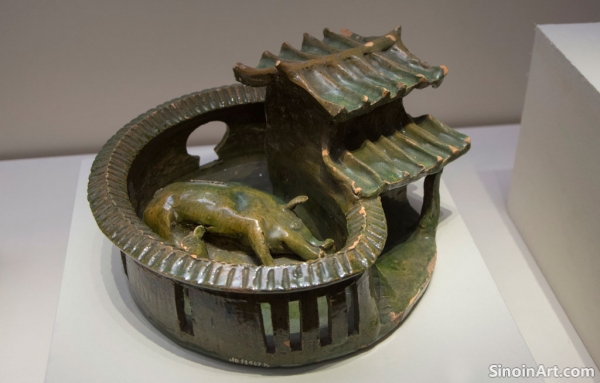 The design of Tang kilns often incorporated multiple flues to control the airflow and heat distribution. This enabled potters to achieve specific temperatures needed for different types of glazes and clays. The precise control of firing was crucial for producing the vibrant colors and smooth, consistent textures characteristic of Tang ceramics. The knowledge of firing techniques was a highly specialized skill, often passed down through generations of pottery families. 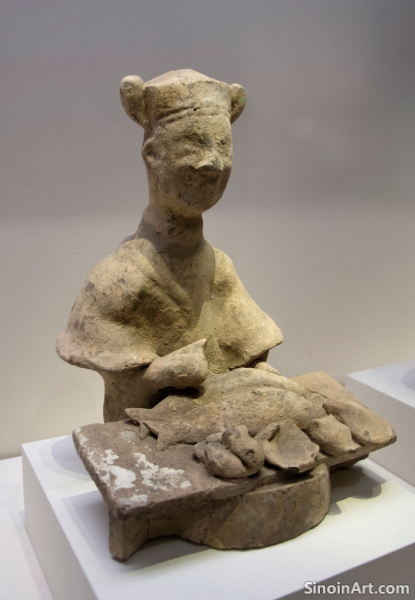 The location of Tang kiln sites was strategically chosen, often near sources of raw materials like clay and wood fuel. Many Tang kiln sites have been excavated, revealing a wealth of information about the types of kilns used, the tools and equipment employed, and the ceramic wares produced. The archaeological evidence from these sites provides invaluable insights into the daily life of Tang potters and the scale of production. The legacy of Tang kiln technology is significant. The improvements made during this period laid the foundation for future advances in ceramic production in China and beyond. The techniques developed by Tang potters were instrumental in the creation of some of the most iconic and enduring works of Chinese art, underscoring the central importance of kiln technology in the history of ceramics. |
Tag : Tang Dynasty kilns, Chinese ceramic production, ancient kiln technology, pottery firing techniques, Chinese archaeological sites
Related information
- Burial Goods and the Afterlife in Tang Ceramics
- Technological Advances in Tang Kilns
- The Influence of Foreign Cultures on Tang Ceramics
- Yue Ware Celadon: Subtle Elegance in Green
- The Influence of the Silk Road on Tang Ceramics
The Tang Dynasty saw the flourishing of an elaborate burial culture, with ceramics playing a central role in equipping the deceased for the afterlife. These funerary wares, from everyday objects to elaborate figurines, offer a fascinating glimpse into Tang beliefs about death, the spirit world, and the continuation of earthly life in another realm. These burial goods were not just functional; they were imbued with symbolic meaning and designed to ensure the comfort and prosperity of the deceased.
Tang Dynasty advancements in kiln technology, such as high-firing kilns and lead glaze control, enabled potters to produce a greater variety of higher-quality ceramics, significantly influencing later ceramic traditions.
The Tang Dynasty’s openness to international exchange significantly influenced its ceramics, evident in the adoption of foreign patterns, vessel forms, and decorative techniques, reflecting the cosmopolitan spirit of the era.
Yue ware, a Tang Dynasty celadon, is characterized by subtle green glazes, elegant forms, and fine, smooth bodies, reflecting a quieter aesthetic and influencing later celadon traditions across Asia.
The Tang Dynasty was a period of unprecedented prosperity and cultural exchange, largely due to the flourishing of the Silk Road. This network of trade routes not only facilitated the exchange of goods but also ideas and artistic styles. The influence of the Silk Road on Tang ceramics is undeniable, introducing new techniques, materials, and decorative motifs that transformed the landscape of Chinese pottery. The interaction between different cultures created a vibrant and cosmopolitan atmosphere reflected in the artistic output of the time.