Technological Advances in Tang Kilns
|
The Tang Dynasty saw significant advances in kiln technology, which enabled potters to produce ceramics of higher quality and with a greater variety of glazes and forms. The innovation of the kilns was a key part of the ceramic revolution of this period. The technical accomplishments of the Tang era are noteworthy.  The development of high-firing kilns allowed for the production of stoneware and porcelain with greater durability. The increase in temperature range of the kilns was a major technical achievement. This development allowed for a much broader range of styles. 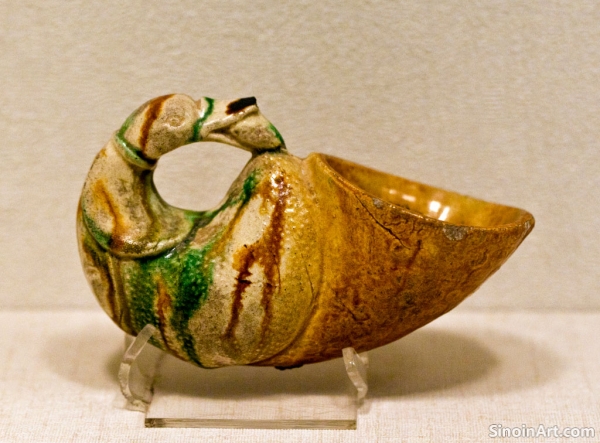 The use of lead glazes was perfected during the Tang Dynasty, and this allowed for the creation of vibrant sancai colors. The ability to control the use of lead glazes was a key development. These technical innovations were at the heart of the era’s ceramic success.  Kiln design and construction were also improved, allowing for greater control over temperature and atmosphere during firing. This improved temperature control was essential for producing high-quality ceramics. The potters were very attuned to their kilns. The advances in Tang kiln technology had a lasting impact on later generations of ceramic artists in China and around the world. The techniques developed in the Tang era continue to be important today. These innovations made a long term impact on the ceramic arts. |
Tag : Tang kiln technology, Chinese ceramics, Kiln design, Ceramic innovation, Firing techniques
Related information
- Collecting and Appreciating Tang Ceramics Today
- Tang Ceramics and Foreign Trade
- Sancai Glazes: A Tang Dynasty Innovation
- The Role of Kilns in Tang Ceramic Production
- The Forms of Tang Ceramics: Function and Artistry
Tang Dynasty ceramics are highly valued by collectors and museums for their historical significance, artistic beauty, and technical innovation, requiring a detailed understanding for informed collecting and appreciation of these important cultural artifacts.
The Tang Dynasty's open trade policies and the prominence of the Silk Road facilitated the widespread distribution of Tang ceramics to foreign lands. These ceramic wares, renowned for their beauty and quality, became valuable commodities in international trade, bringing Tang artistry and craftsmanship to distant corners of the world. The impact of this trade was significant, not only economically but also culturally.
Sancai glazes, a key Tang innovation, are lead-based, three-color glazes (green, amber, and cream) applied to diverse ceramics, celebrated for their vibrant colors, distinctive textures, and reflection of the Tang Dynasty.
The advancements in kiln technology during the Tang Dynasty played a pivotal role in the transformation of Chinese ceramics. Kilns are the heart of ceramic production, and the innovations made during this period directly impacted the quality, variety, and scale of ceramic wares. Understanding Tang kilns sheds light on the technical expertise of potters and the sophisticated infrastructure that supported the flourishing ceramic industry.
Tang Dynasty ceramics feature diverse forms ranging from elegant ewers and sancai tomb figures to robust storage jars and architectural elements, showcasing the intersection of function, artistry, and the diverse needs of the era.