The Forms of Tang Ceramics: Function and Artistry
|
The forms of Tang ceramics demonstrate the intersection of function and artistry in this period. From elegant vases to robust storage jars, the ceramics of the Tang Dynasty reflect the diversity of daily life and the aesthetic tastes of the era. The design and forms of Tang pottery are still admired today. 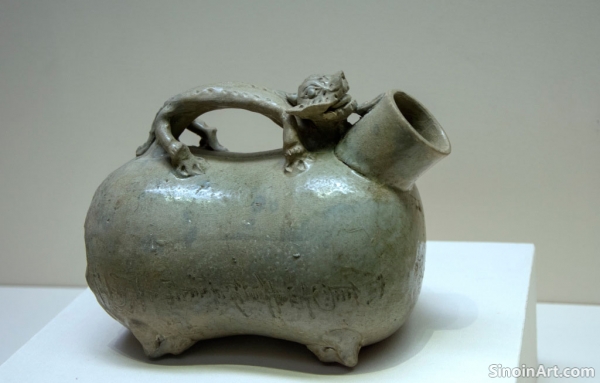 Ewers, with their graceful forms and often decorated with sancai glazes, were used for serving wine or other beverages. The design of these ewers demonstrates both functionality and aesthetic appeal. These forms show the elegance of the era.  Large storage jars, often made of stoneware, were used for storing grain, liquids, and other commodities. These jars demonstrate the durability of the ceramics of the era. These utilitarian objects were often made with great attention to detail. 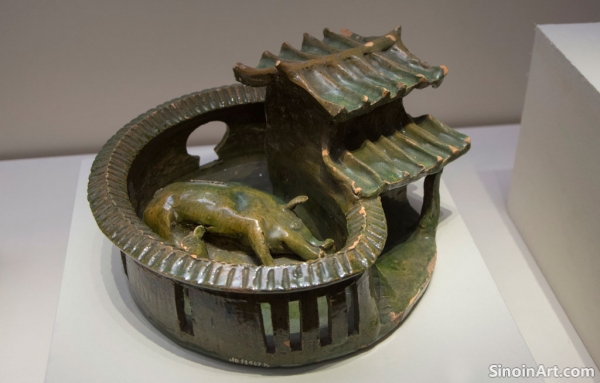 Tomb figures, representing a diverse range of characters, were intended to accompany the deceased into the afterlife. These pieces were carefully crafted to convey different personalities and characteristics. These figures are a valuable resource in understanding Tang society. Architectural ceramics, such as roof tiles and decorative elements, were also important part of Tang pottery production. These ceramic pieces made buildings not only functional but also aesthetically beautiful. The ceramic output of the era had a variety of purposes. The range of forms in Tang ceramics highlights both the practical needs of the society and the artistic innovation of the time. The forms themselves can often be seen as being works of art. Tang pottery had a wide range of both function and style. |
Tag : Tang ceramics forms, Chinese pottery, Sancai vessels, Tang Dynasty art, Functional ceramics
Related information
- Tang Ceramics and Foreign Trade
- Tang Ceramics and the Tea Ceremony
- Sancai Ware: A Symphony of Three Colors
- Collecting and Appreciating Tang Ceramics Today
- The Influence of the Silk Road on Tang Ceramics
The Tang Dynasty's open trade policies and the prominence of the Silk Road facilitated the widespread distribution of Tang ceramics to foreign lands. These ceramic wares, renowned for their beauty and quality, became valuable commodities in international trade, bringing Tang artistry and craftsmanship to distant corners of the world. The impact of this trade was significant, not only economically but also culturally.
While not as central as in later periods, the tea ceremony was beginning to gain popularity during the Tang Dynasty, and this had a subtle but significant impact on ceramic production. The growing appreciation for tea and the rituals surrounding its consumption influenced the development of specific ceramic forms and styles. The Tang tea culture, while not as formalized as in later dynasties, laid the groundwork for the widespread use of ceramics in tea service.
Sancai, meaning “three-color” in Chinese, is perhaps the most iconic ceramic ware of the Tang Dynasty. These vibrant and richly glazed pieces are instantly recognizable for their combination of green, amber, and cream or straw-yellow glazes. While the term suggests a limited palette, the actual range of colors could vary, sometimes incorporating blues and purples, creating a dazzling visual spectacle. Sancai ware wasn’t just about color; it was a bold statement of Tang aesthetics and technical prowess.
Tang Dynasty ceramics are highly valued by collectors and museums for their historical significance, artistic beauty, and technical innovation, requiring a detailed understanding for informed collecting and appreciation of these important cultural artifacts.
The Tang Dynasty was a period of unprecedented prosperity and cultural exchange, largely due to the flourishing of the Silk Road. This network of trade routes not only facilitated the exchange of goods but also ideas and artistic styles. The influence of the Silk Road on Tang ceramics is undeniable, introducing new techniques, materials, and decorative motifs that transformed the landscape of Chinese pottery. The interaction between different cultures created a vibrant and cosmopolitan atmosphere reflected in the artistic output of the time.