The Influence of Folk Art on Xieyi Painting
|
While often associated with the refined aesthetics of literati culture, Xieyi painting has also drawn inspiration from the vibrant traditions of Chinese folk art. The bold colors, expressive forms, and the emphasis on storytelling that are often found in folk art have contributed to the development of a more accessible and expressive style within Xieyi. The traditions of folk art are often a strong and vital influence on the overall style of Xieyi. 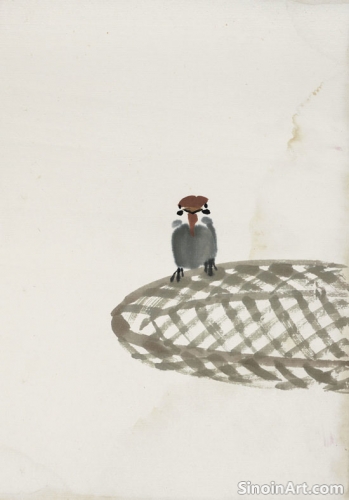 The folk art tradition often emphasizes directness and simplicity, values that are also highly prized in Xieyi painting. The folk tradition emphasizes a lack of artifice and a powerful expression of core human feelings. It can provide a source of raw and creative expression that can greatly inform the style of individual artists. 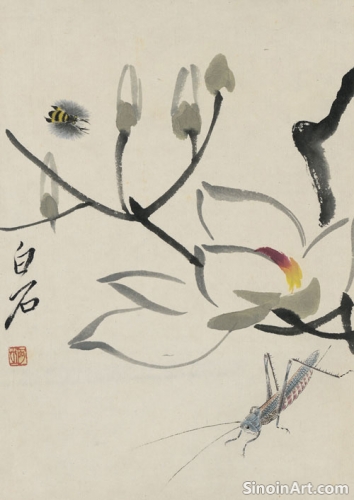 The use of vibrant colors, often associated with folk traditions, can add depth and a sense of celebration to Xieyi paintings, creating a dynamic interplay between traditional techniques and more contemporary approaches. It is one example of how folk traditions can influence the way that the artists apply their techniques. The combination of these different styles can create truly innovative approaches to the art form. 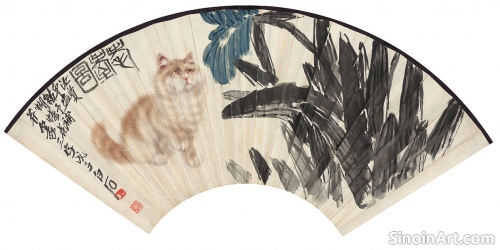 The emphasis on storytelling in folk traditions can inspire Xieyi artists to create works that are more narrative and engaging, often depicting scenes from everyday life, historical events, or folklore. It brings a new dimension to the art form that goes beyond simple representation. It provides a powerful vehicle for cultural storytelling and memory. The influence of folk traditions can be seen in the more accessible and relatable quality that is often found in contemporary Xieyi paintings, making the art form more relevant and engaging for a wider audience. It shows how the tradition continues to adapt and remain culturally relevant. |
Tag : Folk art influence, Chinese folk art, Xieyi style, accessible art, cultural traditions
Related information
- The Concept of "Qing" in Xieyi Painting
- Xieyi vs. Gongbi: Two Paths of Chinese Painting
- Learning Xieyi Painting: A Path of Practice
- The Future of Xieyi: Innovation and Tradition
- The Importance of Practice in Xieyi
"Qing" (feeling) is a fundamental concept in Xieyi painting, emphasizing the importance of artists imbuing their work with personal emotion and genuine expression, requiring sensitivity, observation, and technical skill to convey feelings through brushstrokes, composition, and connecting with viewers on a deeply human level.
This article contrasts Xieyi painting with Gongbi painting, highlighting the differences in their techniques, brushwork, use of color, and overall artistic philosophies within the Chinese painting traditions.
Learning Xieyi painting involves mastering basic brushstrokes, observation of nature, studying old masters, developing a personal style, and cultivating patience and persistence. It is a process that blends technical skill with personal growth and understanding.
The future of Xieyi painting balances innovation and tradition, with artists exploring new materials and technologies while honoring core principles, and its global reach ensures a continued cross-cultural exchange and appreciation of its power and expressiveness, allowing it to continue to adapt and resonate through the generations.
Dedicated and consistent practice is essential for mastering Xieyi painting, developing technical skills, intuition, and spontaneity, while also fostering patience, perseverance, and a deeper understanding of the art form's philosophy and aesthetics, transforming the practice into a form of self-discovery.