The Future of Xieyi: Innovation and Tradition
|
The future of Xieyi painting lies in a dynamic balance between innovation and tradition, with contemporary artists drawing inspiration from the rich history of the art form while also exploring new possibilities for creative expression. It is a legacy that will be continued through the artists of tomorrow. The key is to balance the past and the present.  While many artists continue to honor the traditional forms and techniques of Xieyi, they are also experimenting with new materials, incorporating digital technologies, and exploring contemporary themes. It’s about taking a well-established tradition and making it one's own. The art form is constantly evolving as new artists contribute to its creative lineage. 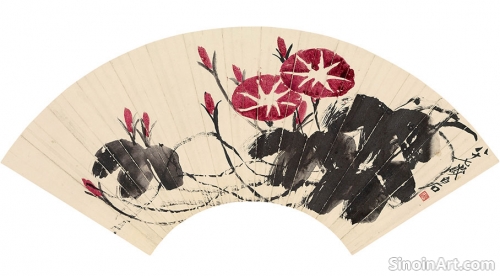 The emphasis on personal expression, spontaneity, and the pursuit of the essence of things makes Xieyi a highly adaptable art form that can be used to address a wide range of concerns and to communicate a diversity of perspectives. It is a tradition that welcomes individual interpretation and innovation. It is flexible enough to be adaptable to changing cultural needs. 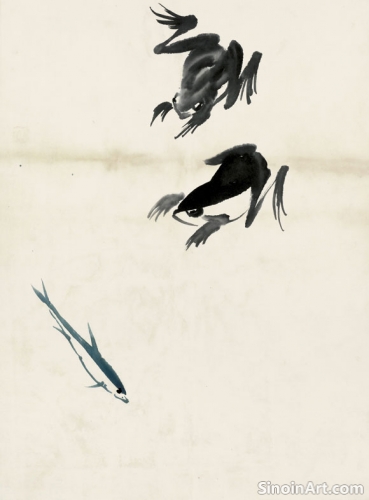 The global reach of the art world also means that Xieyi is being discovered and interpreted by artists and audiences from all corners of the world, ensuring a continued cross-cultural exchange and appreciation of this powerful and expressive art form. The increasing accessibility of art is broadening its reach and impact. This cross-cultural engagement ensures its longevity and continued relevance. The enduring power of Xieyi painting lies in its ability to touch the human spirit, to inspire contemplation, and to offer a connection to nature and to the fundamental forces of creation. This enduring power ensures that it will continue to be both personally rewarding and culturally significant. The art form continues to resonate due to its capacity to express the human condition in a way that is both meaningful and beautiful. It will continue to inspire artists for generations to come. |
Tag : Xieyi future, art innovation, creative tradition, evolving art, contemporary forms
Related information
- Xieyi Painting and the Use of "Splash Ink"
- The Use of "Reversed Brush" in Xieyi
- Xieyi and the Concept of "Shu Hua Tong Yuan"
- Xieyi Painting and the Concept of "Intention Before the Brush"
- Xieyi Painting and the Concept of "Jing Jie"
"Splash Ink" (pōmò) is a bold and expressive Xieyi technique, involving the free and spontaneous application of ink to create large washes and evoke movement and dynamism, emphasizing the unpredictable nature of ink and water and strategically used to create balance, depth, and vitality.
The "Reversed Brush" (nìfēng) in Xieyi involves starting a stroke by moving the brush in the opposite direction, then reversing to create strong, textured, dynamic lines, conveying a sense of force, resistance, and visual interest, while requiring precise control and a deep understanding of brush responsiveness.
"Shu Hua Tong Yuan" (calligraphy and painting share the same source) is a fundamental concept in Chinese art and Xieyi painting, highlighting the shared tools, techniques, aesthetic principles, and expressive potential between calligraphy and painting, with calligraphic brushwork central to the Xieyi technique.
"Intention Before the Brush" (yi zai bi xian) is crucial in Xieyi painting, emphasizing that the artist's vision, emotional state, and purpose should guide their brushstrokes, requiring thoughtful preparation and planning while valuing spontaneity, imbuing the artwork with inner spirit and emotional truth.
"Jing Jie" (realm) in Xieyi refers to the artist's pursuit of spiritual enlightenment, transcending technical skill to achieve a deeper understanding of themselves, their subject, and the universe, emphasizing intuition, spontaneity, and interconnectedness as they strive for artistic and spiritual transformation.