Learning Xieyi Painting: A Path of Practice
|
Learning Xieyi painting is a journey of exploration and discovery, requiring dedication, patience, and a willingness to embrace imperfection. It’s not just about learning technical skills; it’s also about developing a deep understanding of the philosophy and aesthetics underlying the art form. The learning process is often seen as a personal and transformative experience. 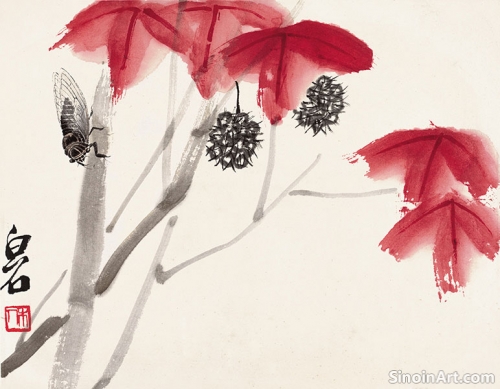 The first step in learning Xieyi is to master the basic brushstrokes. This involves practicing simple lines and shapes, learning how to control the brush, ink, and water. A solid foundation in calligraphic brushwork is essential for developing fluency in painting. This fundamental practice of line work is vital to mastery.  A crucial aspect of learning Xieyi is to practice observation of the natural world. By carefully observing the forms, textures, and movements of plants, animals, and landscapes, students learn to capture the essence of their subjects with a few expressive strokes. Nature is seen as the primary teacher. This observational practice forms the backbone of Xieyi learning. 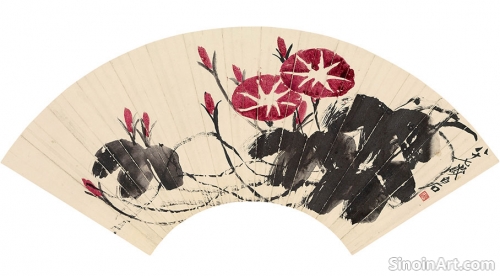 Copying the works of the old masters is a vital part of learning Xieyi. By studying the techniques and compositions of renowned artists, students gain a deeper understanding of the tradition and develop their own unique style. This learning through imitation builds a solid foundation for future artistic development. Developing a personal style is key in Xieyi painting. Students are encouraged to experiment, to take risks, and to find their own voice within the tradition. This exploration involves not just the technical aspects of painting but also the deeper philosophical aspects of the art form. The cultivation of a personal voice is essential. Finally, patience and consistency are essential in the learning journey. Mastering Xieyi takes time, effort, and a willingness to learn from mistakes. The practice is a continuous journey of self-improvement and artistic growth. The joy is found in the process, not just in the end result. |
Tag : Learning Chinese painting, Xieyi painting lessons, brushwork practice, art master studies, developing personal style
Related information
- The Importance of Practice in Xieyi
- Xieyi Painting and the Use of "Splash Ink"
- Xieyi Landscape Painting: Capturing the Spirit of Nature
- Famous Xieyi Artists: Masters of the Spontaneous Brush
- The Connection Between Xieyi and Chinese Gardens
Dedicated and consistent practice is essential for mastering Xieyi painting, developing technical skills, intuition, and spontaneity, while also fostering patience, perseverance, and a deeper understanding of the art form's philosophy and aesthetics, transforming the practice into a form of self-discovery.
"Splash Ink" (pōmò) is a bold and expressive Xieyi technique, involving the free and spontaneous application of ink to create large washes and evoke movement and dynamism, emphasizing the unpredictable nature of ink and water and strategically used to create balance, depth, and vitality.
Landscape painting (山水画, shanshuihua) is a major theme in Xieyi, reflecting a deep reverence for nature. Artists seek not to replicate realistic views, but to capture the essence and spirit of the natural world. They aim to evoke a feeling of vastness, serenity, and harmony.
This article highlights the contributions of famous Xieyi artists throughout history, including Xu Wei, Bada Shanren, Qi Baishi, and Zhang Daqian, discussing their unique styles and their influence on the evolution of the art form.
Xieyi painting and traditional Chinese gardens share a focus on naturalness, harmony, strategic use of negative space, and asymmetry, both creating microcosms of nature that foster contemplation, reflection, and a deeper connection to nature and the human spirit, displaying shared design principles and underlying goals.