The Gongbi Line: A Foundation of Precision and Expressiveness
|
Gongbi lines are characterized by their fineness, evenness, and consistent width. Artists utilize specialized fine-pointed brushes to create these lines, ensuring that every stroke is deliberate and controlled. The consistent thickness of the lines requires years of practice, and this skill is central to the Gongbi style. It is within the precise lines that the work begins to define itself. 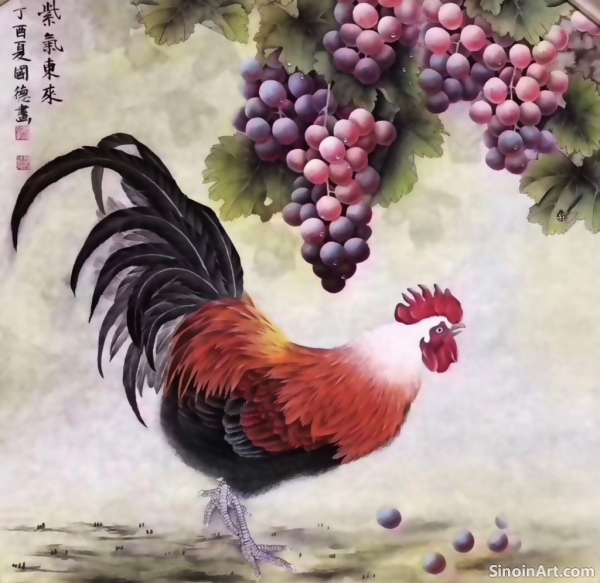 The direction and curvature of the line are just as important as its fineness. Artists meticulously plan each line, varying the pressure and direction of their strokes to convey the form, volume, and texture of the subject. Lines can be used to create a sense of roundness, sharpness, and even movement, requiring the artist to use each stroke thoughtfully and with purpose. The control of line is the base of a successful Gongbi painting. 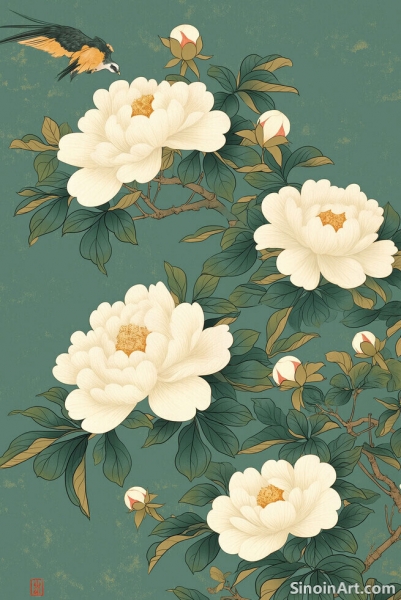 While the line work in Gongbi painting is highly controlled, it is not devoid of expressiveness. Within the constraints of the technique, artists find ways to infuse their lines with a subtle sense of rhythm, energy, and artistic personality. It is this balance of precision and expressiveness that defines the Gongbi line and elevates it beyond a mere technical exercise. Within the precision is a well-defined sense of artistic expression. 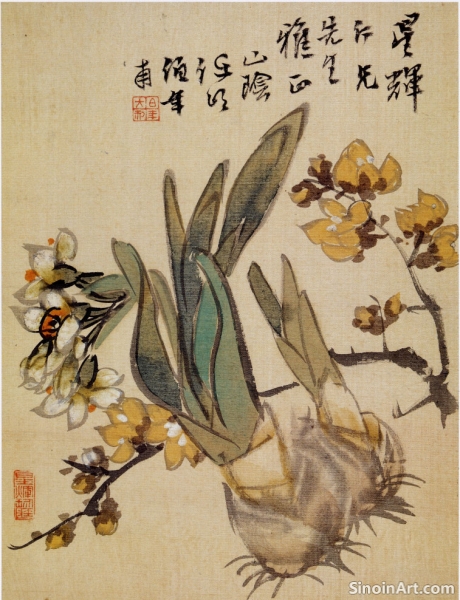 The Gongbi line, therefore, serves as a foundation for the aesthetic and technical brilliance of the style. The ability to create precise and controlled lines is essential to the accuracy, beauty, and expressive power of the works produced within the Gongbi tradition. It is within this seemingly restrictive style that a world of expression opens up for those with mastery of the brush and ink. The control of line allows for the creation of lasting and memorable works. |
Tag : Gongbi Line, Chinese Line Drawing, Precision in Gongbi Art, Expressive Gongbi Line, Traditional Chinese Linework
Related information
- The Symbolic Language of Gongbi: Unveiling Hidden Meanings
- Gongbi and the Representation of Textiles and Patterns
- The Materials of Gongbi: A Closer Look at Tools and Pigments
- Gongbi Painting and Its Cultural Significance in China
- The Cultural Significance of Gongbi: More Than Just Art
An exploration of the symbolic language used in Gongbi painting, focusing on the meanings of common motifs like flowers, animals, and colors.
This article explores the meticulous representation of textiles and patterns in Gongbi painting, highlighting the detailed linework, color variations, and how these elements convey texture, volume, and contribute to the overall narrative of the artwork.
This article provides a detailed overview of the materials used in Gongbi painting, including rice paper, Chinese brushes, inksticks, and natural mineral pigments, emphasizing the importance of these traditional elements to the art form.
This article explores the cultural significance of Gongbi painting in China, highlighting its historical importance, its role in reflecting cultural values, its connection to nature, its emphasis on discipline, and its continued relevance in modern Chinese society.
This article explores the cultural significance of Gongbi painting, highlighting its connection to Chinese values, aesthetics, history, philosophy, and its role in preserving cultural heritage.