Gongbi Painting and Its Cultural Significance in China
|
Gongbi painting is not just an art form; it's a cultural treasure deeply intertwined with the history and values of China. Throughout centuries, Gongbi painting has played a significant role in documenting historical events, expressing cultural ideals, and celebrating the beauty of the natural world. Its intricate details and rich symbolism reflect the sophistication and aesthetic sensibilities of Chinese culture. 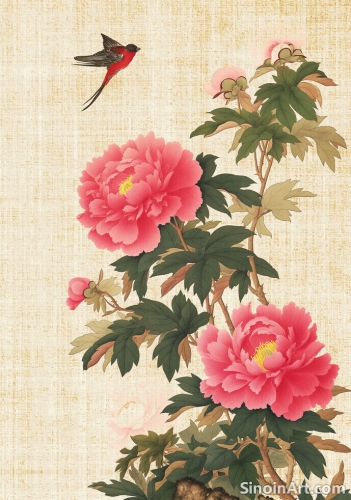 Historically, Gongbi paintings were commissioned by the imperial court and the wealthy elite. These works often depicted scenes of court life, historical figures, and mythical narratives. They served not only as works of art but also as records of important events and reflections of the values of the ruling class. The precision and detail of these works were considered important for conveying accuracy and status. 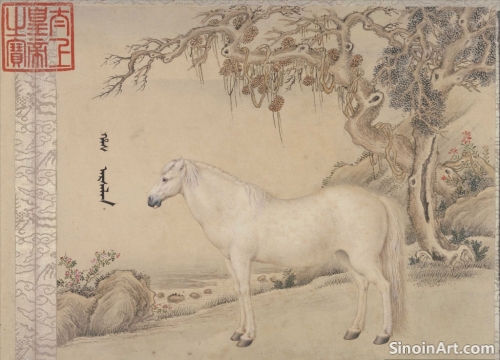 Gongbi painting has also played a crucial role in showcasing the natural beauty of China. The detailed depiction of flowers, birds, and landscapes reflect a deep appreciation for the natural world. This relationship between humans and nature is a central theme within Chinese philosophy, and Gongbi art provides a medium for expressing it. These works are not just scientific studies, they also convey a sense of harmony between humans and their environment. 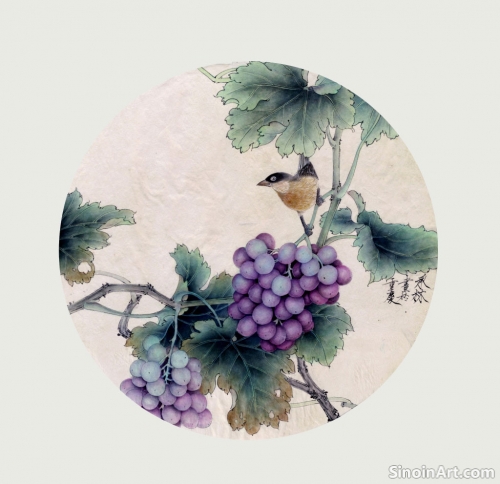 The emphasis on meticulous detail and disciplined execution in Gongbi aligns with the Confucian values of precision, diligence, and refinement. The act of creating a Gongbi painting requires years of rigorous training and patience, reflecting the importance of discipline and perseverance in Chinese culture. The careful planning and execution necessary for each piece embody Chinese artistic and philosophical ideals. Today, Gongbi painting continues to hold a position of high esteem in Chinese culture. Contemporary artists are revitalizing the tradition while maintaining its connection to the historical context and cultural significance. Gongbi continues to be a powerful tool for cultural expression and a source of artistic inspiration within China and across the world. Its enduring popularity is a testament to its lasting value in Chinese cultural heritage. |
Tag : Gongbi cultural significance, Chinese cultural art, Chinese art history, traditional Chinese culture, role of art in China
Related information
- Gongbi Painting and its Relationship to Song Dynasty Aesthetics
- The Delicate Dance of the Brush: An Introduction to Gongbi
- Brushstrokes of Precision: The Techniques of Gongbi
- Gongbi vs. Xieyi: Contrasting Styles in Chinese Art
- Famous Gongbi Artists: Masters of the Brush
This article explores the relationship between Gongbi painting and the aesthetic principles of the Song Dynasty, highlighting its influence on the art form's emphasis on realism, detail, subject matter, symbolism, and overall artistic vision.
This article introduces Gongbi painting, a meticulous Chinese art form characterized by its detailed and realistic depictions, outlining its history, techniques, and contemporary relevance.
This article delves into the specific techniques of Gongbi painting, focusing on the outlining method, color application, detailed depiction, traditional materials, and the discipline required for mastery.
A comparison of Gongbi and Xieyi painting styles, highlighting their contrasting techniques, philosophies, and artistic intentions.
A profile of influential Gongbi artists throughout history, highlighting their contributions and styles.