The Symbolic Language of Gongbi: Unveiling Hidden Meanings
|
Beyond its stunning visuals, Gongbi painting is deeply rooted in symbolism, where seemingly ordinary subjects are often imbued with layers of meaning. This symbolic language adds another dimension to the artwork, enriching the viewing experience and conveying cultural values and beliefs. Understanding this symbolism is essential for a full appreciation of the art form. 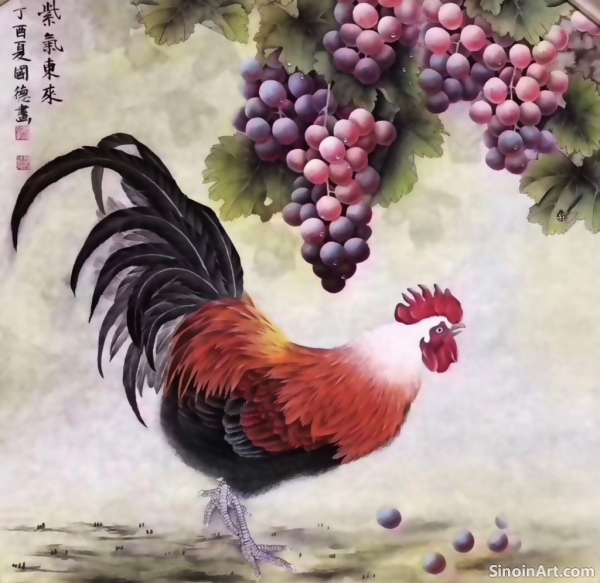 Flowers and plants are frequently used as symbolic motifs. The peony, for instance, is often associated with wealth, prosperity, and nobility, while the lotus symbolizes purity and enlightenment. Bamboo, with its resilience and flexibility, represents integrity and moral strength. Each plant carries specific cultural connotations that are well-understood by those familiar with Chinese symbolism. 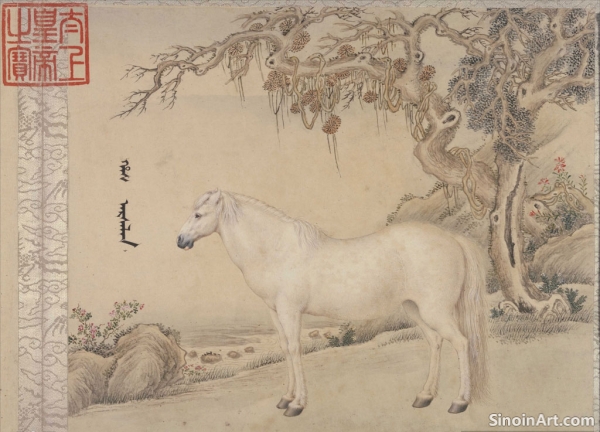 Animals also play an important role in the symbolic language of Gongbi. The crane, a symbol of longevity and immortality, is a common subject. The dragon, a mythical creature associated with power and good fortune, often appears in imperial contexts. Even smaller creatures, like butterflies and fish, carry symbolic weight, often representing happiness and abundance.  Colors themselves are not just aesthetic choices; they carry symbolic meaning as well. Red is often associated with happiness, good luck, and celebration, while yellow represents royalty and power. White, in traditional Chinese culture, is associated with mourning but can also represent purity. The artist carefully selects colors to enhance the symbolic message of the painting. The arrangement and composition of elements within the painting also contribute to its symbolic meaning. The use of specific groupings of subjects or the inclusion of particular objects can subtly convey narratives or express desired outcomes, such as good fortune or a long and prosperous life. By carefully arranging these symbolic elements, the artist creates a rich tapestry of meaning that speaks to the viewer on multiple levels. Understanding the symbolic language of Gongbi painting enhances our appreciation of these works, revealing the rich cultural heritage and deep-seated beliefs that have shaped this ancient art form. It allows us to move beyond the purely visual to engage with the deeper meanings and values that are embedded within these exquisite paintings. |
Tag : Gongbi painting symbolism, Chinese art motifs, flower symbolism, animal symbolism, color meaning in art
Related information
- Gongbi Painting and its Place in Contemporary Art Discourse
- Gongbi and Personal Expression: The Artist's Voice
- Gongbi and the Depiction of Everyday Life
- Gongbi Painting and the Depiction of Historical Events
- Brushstrokes of Precision: The Techniques of Gongbi
This article explores the place of Gongbi painting in contemporary art discourse, highlighting how artists are using the art form to address modern concerns, engage with tradition, and contribute to a wider global artistic conversation.
This article focuses on Gongbi painting as a vehicle for personal expression, highlighting how artists use choices in subject matter, color, composition, and overall tone to convey their unique perspectives and artistic visions within the traditional art form.
This article explores the use of Gongbi painting in depicting scenes from everyday life, highlighting its meticulous detail, portrayal of common activities, and how these works serve as visual records of daily existence and a particular time and place.
This article explores the role of Gongbi painting in documenting and interpreting historical events, highlighting its meticulous detail, portrayal of figures, use of color, and how these works act as both visual records and cultural perspectives on the past.
This article delves into the specific techniques of Gongbi painting, focusing on the outlining method, color application, detailed depiction, traditional materials, and the discipline required for mastery.