The Cultural Significance of Gongbi: More Than Just Art
|
Gongbi painting is not simply a beautiful art form; it is a profound expression of Chinese culture, history, and philosophy. It is deeply rooted in tradition, embodying the values, aesthetics, and worldview of Chinese civilization. Understanding the cultural significance of Gongbi painting is essential for appreciating its true depth and meaning. It is an art form deeply connected to Chinese identity and heritage. 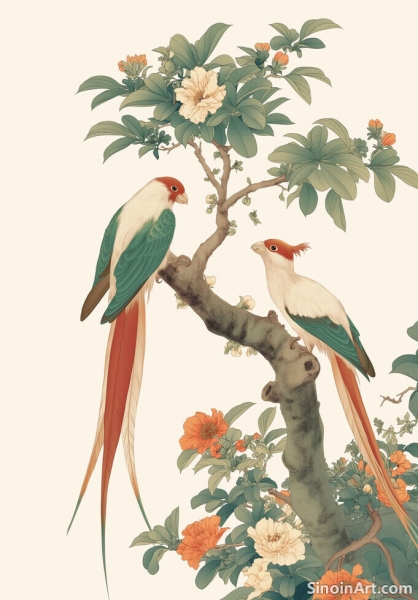 Gongbi painting reflects the Chinese emphasis on meticulousness, patience, and precision. The painstaking process of creating a Gongbi artwork, with its carefully layered colors and detailed brushwork, embodies these cultural values. It is a testament to the Chinese appreciation for craftsmanship and dedication to mastering a skill. The process itself mirrors the idea of discipline and dedication in life. 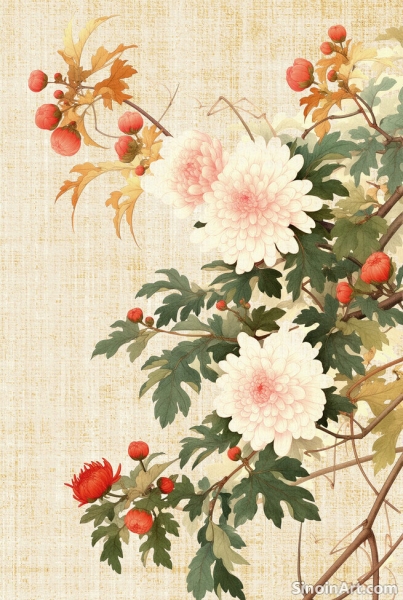 The subject matter of Gongbi painting often reflects Chinese cultural beliefs and values. The depictions of auspicious flowers, mythical creatures, and courtly scenes communicate messages of prosperity, power, and social harmony. The choice of subjects often reflects social norms and the values that were held dear during various periods of Chinese history.  The use of traditional materials in Gongbi painting also has cultural significance. The selection of natural pigments, brushes made from animal hair, and fine silk or xuan paper reflects the Chinese reverence for nature and the natural world. These materials have been used for centuries and represent the passing down of traditions from one generation to the next. Gongbi painting has played an important role in the transmission of Chinese history and culture. From its use in recording historical events to its role in depicting scenes from literature and mythology, Gongbi paintings have acted as visual documents, preserving cultural narratives for generations to come. The detailed nature of Gongbi allows viewers to see accurate depictions of architecture, clothing, and objects that would be difficult to understand otherwise. Ultimately, Gongbi painting is much more than just a visual art form; it is a powerful expression of Chinese cultural identity. It reflects the values, aesthetics, and worldview of Chinese civilization. Its meticulous detail and symbolic richness offer a window into the heart of Chinese culture, inviting viewers to connect with its rich history and enduring legacy. The practice of this art form helps to maintain cultural connections and identity, playing a significant role in preserving history. |
Tag : Cultural Significance Gongbi, Chinese Art and Culture, Traditional Chinese Values, Gongbi Painting History, Chinese Artistic Heritage
Related information
- The Emotional Impact of Gongbi Painting
- The Symbolism of Gongbi: Decoding the Language of the Brush
- The Delicate World of Gongbi: An Introduction
- Gongbi Painting and the Use of "Boneless" Technique
- Commissioning a Gongbi Painting: What You Need to Know
This article explores the emotional impact of Gongbi painting, highlighting how meticulous detail, color palettes, subject matter, and symbolism all contribute to the artworks’ ability to evoke a range of feelings, such as peace, reverence, empathy, and cultural pride.
This article explores the symbolic elements found in Gongbi paintings, focusing on the meanings behind flowers, animals, colors, and compositions within the Chinese artistic tradition.
This article introduces Gongbi painting as a precise and detailed art form within Chinese traditional art, highlighting its techniques, historical themes, materials, and contemporary relevance.
This article explores the “boneless” technique (没骨法) in Gongbi painting, highlighting how artists use color washes to create forms without preliminary outlines, adding softness, fluidity, and demonstrating a versatility within the art form.
This article provides a guide for those interested in commissioning a Gongbi painting, highlighting the importance of clear communication, artist selection, understanding the process, setting realistic timelines, and managing budget expectations.