The Materials of Gongbi: A Closer Look at Tools and Pigments
|
The materials used in Gongbi painting are just as important as the techniques. The quality of these tools and pigments directly impacts the outcome of the artwork. Traditional Gongbi artists are deeply knowledgeable about the specific properties of each material and how to use them to their advantage. This relationship with the materials is a critical part of the art-making process. 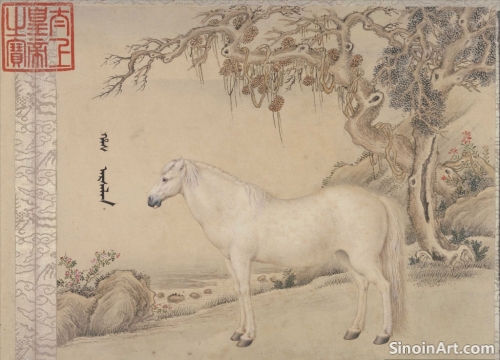 Rice paper (xuan paper), often treated with alum for painting purposes, forms the support for Gongbi paintings. Its delicate texture and absorbent properties require careful handling, but they also allow for the subtle layering of colors that are so characteristic of Gongbi. The variety of rice paper types is significant, with each impacting the final appearance of the work. Choosing the correct paper is the first step in the painting process.  Chinese brushes, typically made of animal hair, are essential for controlling the application of ink and color. Each brush, differing in size, shape, and hair type, is chosen for specific tasks, from fine outlining to applying color washes. The brushes, which often require meticulous care and maintenance, are considered extensions of the artist's hand. Skilled artists understand how to use each brush to achieve the desired effect. 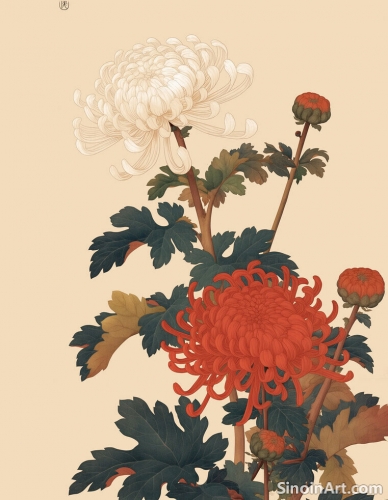 Inksticks, meticulously ground with water on an inkstone, form the essential black pigment used in Gongbi. The grinding process itself is a ritualistic practice that enhances the artist's focus. The quality of the inkstick, along with the grinding process, influences the richness and intensity of the black ink. The use of ink is fundamental in creating the fine outlines that form the basis of Gongbi painting. Natural mineral pigments are the foundation of the vibrant colors in Gongbi paintings. Colors like malachite (green), azurite (blue), and vermilion (red) are derived from finely ground mineral sources. These pigments are mixed with water and applied in multiple thin layers, creating a luminous and rich visual effect. The preparation of these pigments is a time-consuming process, but one that is integral to achieving the distinctive color palette of Gongbi. The careful selection and use of these traditional materials demonstrate the dedication and skill of Gongbi artists. The combination of these traditional tools and pigments creates a visual language unique to the art form and allows the artwork to achieve a level of detail and vibrancy that would not be possible otherwise. The mastery of these materials is as crucial to Gongbi art as mastering the painting techniques. |
Tag : Gongbi materials, Chinese painting materials, rice paper, Chinese brushes, mineral pigments
Related information
- Gongbi in the Modern Age: Contemporary Artists and Innovations
- Gongbi vs. Xieyi: Contrasting Styles in Chinese Art
- Collecting Gongbi: Insights and Considerations for Art Enthusiasts
- The Use of Perspective and Space in Gongbi Painting
- Brushstrokes of Precision: The Techniques of Gongbi
This article explores the evolution of Gongbi painting in the modern era, highlighting the innovative approaches of contemporary artists, the incorporation of new themes and techniques, and the use of technology, while maintaining the core principles of the tradition.
A comparison of Gongbi and Xieyi painting styles, highlighting their contrasting techniques, philosophies, and artistic intentions.
This article provides insights for art enthusiasts interested in collecting Gongbi paintings, focusing on the importance of brushwork quality, authenticity, subject matter, composition, and proper care for these delicate artworks.
This article explores the use of perspective and space in Gongbi painting, highlighting how artists blend traditional approaches with modern techniques to create a sense of depth, distance, and visual dynamism.
This article delves into the specific techniques of Gongbi painting, focusing on the outlining method, color application, detailed depiction, traditional materials, and the discipline required for mastery.