Tang Ceramics and the Tea Ceremony
|
While not as central as in later periods, the tea ceremony was beginning to gain popularity during the Tang Dynasty, and this had a subtle but significant impact on ceramic production. The growing appreciation for tea and the rituals surrounding its consumption influenced the development of specific ceramic forms and styles. The Tang tea culture, while not as formalized as in later dynasties, laid the groundwork for the widespread use of ceramics in tea service. 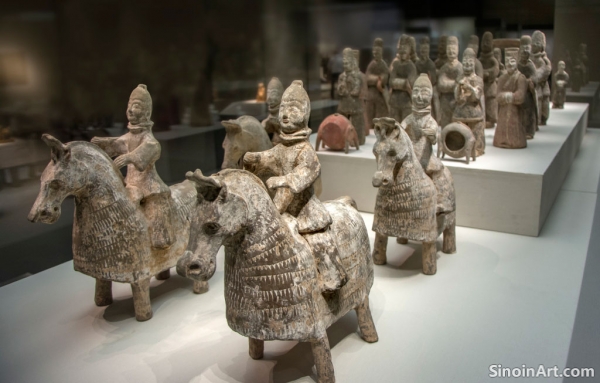 One of the key influences of tea culture on Tang ceramics was the demand for suitable tea bowls. Tang tea bowls were often broad and shallow, with wide mouths and relatively low foot rims. This shape was particularly suitable for whisking tea, a practice that was becoming increasingly popular during the Tang Dynasty. The desire for functional yet aesthetically pleasing tea bowls drove innovation in ceramic form and design. 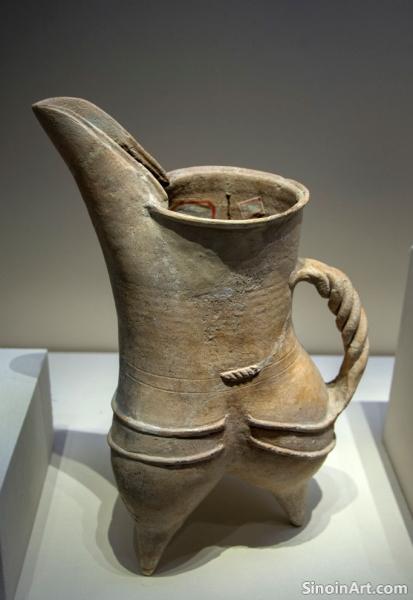 The color and glaze of Tang tea bowls were also influenced by the ritualistic aspects of tea drinking. While sancai and other brightly colored wares were common during the Tang Dynasty, tea bowls were often made of celadon or other darker-colored glazes. These subdued hues provided a perfect backdrop for appreciating the color and clarity of the brewed tea. This preference for subtle elegance reflects the growing appreciation for the sensory experience of tea.  Beyond tea bowls, other ceramic objects used in the tea ceremony also emerged during the Tang Dynasty. Teapots, ewers for pouring hot water, and small dishes for serving tea cakes were all part of the evolving tea culture. The shapes and designs of these objects reflected the functionality and aesthetics demanded by tea practitioners. These pieces, while often utilitarian, were not without a sense of beauty and grace. The relationship between tea and Tang ceramics reflects the broader cultural shifts taking place during the dynasty. The growing popularity of tea was not just a matter of taste, it was also a reflection of a more sophisticated and refined lifestyle. The ceramics associated with tea, therefore, played a vital role in both the practical and symbolic aspects of Tang society. |
Tag : Tang Dynasty tea bowls, Chinese tea ceremony, ancient tea pottery, celadon tea ware, influence of tea on ceramics
Related information
- Collecting and Appreciating Tang Ceramics Today
- Sancai Glazes: A Tang Dynasty Innovation
- Burial Goods and the Afterlife in Tang Ceramics
- The Dawn of Celadon Splendor
- Technological Advances in Tang Kilns
Tang Dynasty ceramics are highly valued by collectors and museums for their historical significance, artistic beauty, and technical innovation, requiring a detailed understanding for informed collecting and appreciation of these important cultural artifacts.
Sancai glazes, a key Tang innovation, are lead-based, three-color glazes (green, amber, and cream) applied to diverse ceramics, celebrated for their vibrant colors, distinctive textures, and reflection of the Tang Dynasty.
The Tang Dynasty saw the flourishing of an elaborate burial culture, with ceramics playing a central role in equipping the deceased for the afterlife. These funerary wares, from everyday objects to elaborate figurines, offer a fascinating glimpse into Tang beliefs about death, the spirit world, and the continuation of earthly life in another realm. These burial goods were not just functional; they were imbued with symbolic meaning and designed to ensure the comfort and prosperity of the deceased.
The Tang Dynasty (618-907 AD) represents a crucial period in the history of Chinese ceramics, particularly in the development and refinement of celadon wares. While not as dramatically innovative as the later Song dynasty, the Tang era saw a significant leap in kiln technology, material preparation, and artistic understanding that laid the groundwork for future ceramic masterpieces. Celadon, with its subtle green hues reminiscent of jade, enjoyed immense popularity, favored by both the imperial court and the burgeoning merchant class. Tang celadon wasn't just about mimicking jade; it was about capturing the essence of natural beauty and the philosophical ideals of the time.
Tang Dynasty advancements in kiln technology, such as high-firing kilns and lead glaze control, enabled potters to produce a greater variety of higher-quality ceramics, significantly influencing later ceramic traditions.