Sancai Ware: A Symphony of Three Colors
|
Sancai, meaning “three-color” in Chinese, is perhaps the most iconic ceramic ware of the Tang Dynasty. These vibrant and richly glazed pieces are instantly recognizable for their combination of green, amber, and cream or straw-yellow glazes. While the term suggests a limited palette, the actual range of colors could vary, sometimes incorporating blues and purples, creating a dazzling visual spectacle. Sancai ware wasn’t just about color; it was a bold statement of Tang aesthetics and technical prowess. 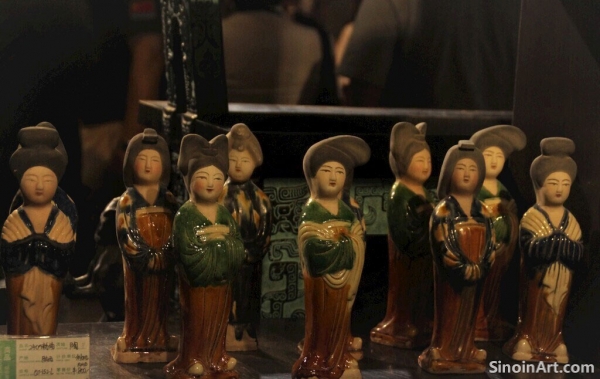 The creation of Sancai ware was a complex process. Potters used a white-firing clay body, which allowed for the colors to stand out vividly. After the initial firing, the ceramic piece was covered in a lead-based glaze and then fired again. Metal oxides were added to the glaze to create the desired colors. The flowing nature of the glaze meant that colors often blended and swirled together, creating unique patterns on each piece. The controlled dribbling of glaze was also a signature technique. 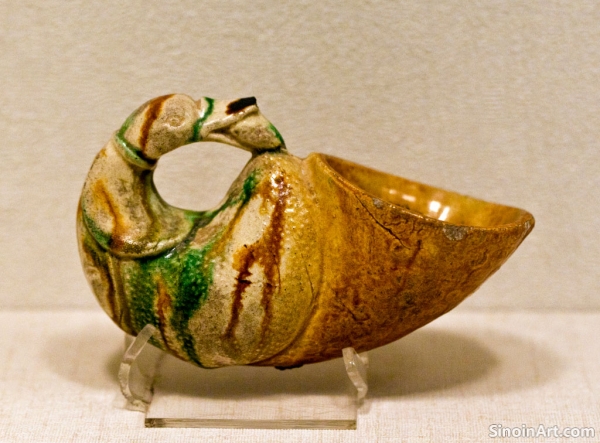 The forms of Sancai wares were as diverse as their colors. They ranged from everyday objects such as bowls, cups, and ewers to elaborate burial goods like figurines of camels, horses, and court ladies. These tomb figures offer a captivating glimpse into the life and fashion of the Tang Dynasty. The meticulous attention to detail in the depiction of clothing, hairstyles, and facial expressions makes them valuable historical artifacts. The horses, in particular, are a testament to the importance of equines in Tang society, often depicted with dynamic postures and flowing manes.  Sancai wares were not just prized for their aesthetic value but also for their symbolic significance. They were often placed in tombs as a representation of the wealth and status of the deceased. The vibrant colors and elaborate forms were meant to provide comfort and pleasure in the afterlife. The inclusion of figures, animals, and everyday objects suggests a belief in the continuation of earthly life in another realm. This funerary function highlights the crucial role of ceramics in Tang spiritual practices. The impact of Sancai ware extends beyond the Tang Dynasty. Its bold use of color and expressive forms influenced ceramics throughout Asia and even into the Middle East. Its legacy can be seen in the glazed tiles and pottery of subsequent eras. The popularity and enduring appeal of Sancai ware underscore its position as a pinnacle of Chinese ceramic achievement and a powerful reflection of the Tang era's opulence and artistic brilliance. |
Tag : Sancai ware, Tang Dynasty pottery, three-color glaze, Chinese tomb figures, glazed earthenware
Related information
- Changsha Ware: Bold Designs and Painted Decoration
- The Vibrant World of Tang Ceramics: An Overview
- The Decorative Motifs of Tang Ceramics
- The Influence of Foreign Cultures on Tang Ceramics
- The Forms of Tang Ceramics: Function and Artistry
Changsha ware from the Tang Dynasty is characterized by bold, splashed, and painted underglaze designs in brown, green, and red, showcasing a unique aesthetic and the diversity of Tang ceramic production.
Tang Dynasty ceramics (618-907 AD) are characterized by vibrant colors, diverse forms, and innovative techniques, most notably three-color (sancai) glazes, reflecting the prosperity and cultural exchange of the era.
The decorative motifs found on Tang Dynasty ceramics are rich and varied, reflecting the diverse cultural influences and artistic trends of the era. These motifs, ranging from simple geometric patterns to complex figural depictions, not only enhance the aesthetic appeal of the wares but also provide insights into Tang beliefs, values, and artistic tastes.
The Tang Dynasty’s openness to international exchange significantly influenced its ceramics, evident in the adoption of foreign patterns, vessel forms, and decorative techniques, reflecting the cosmopolitan spirit of the era.
Tang Dynasty ceramics feature diverse forms ranging from elegant ewers and sancai tomb figures to robust storage jars and architectural elements, showcasing the intersection of function, artistry, and the diverse needs of the era.