The Exquisite World of Gongbi: A Detailed Introduction
|
Gongbi painting, a meticulous and highly refined style of Chinese painting, stands in stark contrast to the more free-flowing and expressive xieyi (freehand) style. The name itself, Gongbi, literally translates to "meticulous" or "detailed brush," accurately reflecting the painstaking process involved. This ancient art form, with a history stretching back over two thousand years, demands not only artistic talent but also a mastery of brushstrokes, ink, and color application. It is a testament to the patience and dedication of the artist.  The hallmark of Gongbi lies in its precise depiction of forms and textures. Unlike xieyi, which embraces spontaneity and suggestion, Gongbi painting meticulously renders every detail, from the delicate veins of a flower petal to the individual feathers of a bird. Outlines are carefully drawn with fine brushstrokes, and then layered with washes of vibrant color. This technique often creates a sense of realism and luminosity, making the subjects appear almost three-dimensional. The process requires exceptional control and a deep understanding of both the subject matter and the materials. 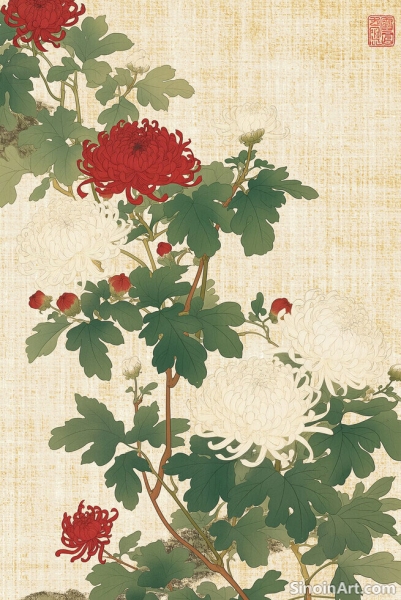 Historically, Gongbi was the dominant style employed in the imperial courts and by the wealthy elite in China. Court painters would create elaborate murals, portraits, and illustrations, often laden with symbolic meaning and intended for display in palaces and temples. These paintings were not merely artistic endeavors; they served as a form of storytelling, conveying narratives of power, prosperity, and cultural heritage. The attention to detail and the use of luxurious pigments further enhanced their opulence. 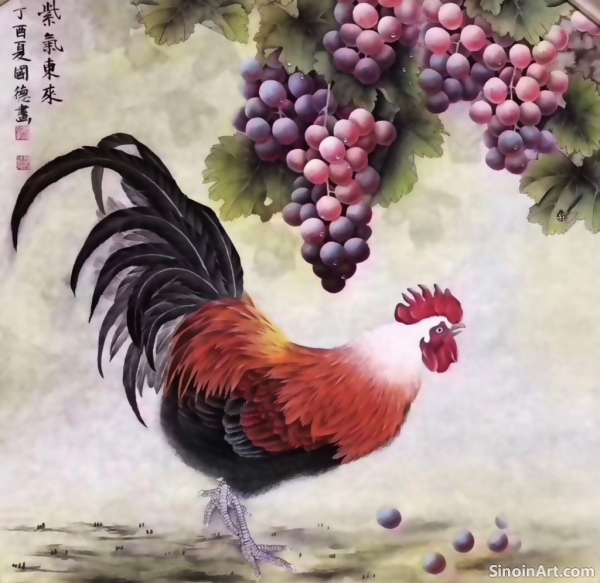 Subjects commonly depicted in Gongbi painting include birds, flowers, insects, landscapes, and human figures, often portrayed with serene grace and refinement. The artist's intention is not just to replicate reality but to convey a sense of harmony and beauty, capturing the essence of the subject rather than just its outward appearance. This requires a careful observation of nature and a deep appreciation for the intricate details of the world around them. Today, Gongbi painting continues to be practiced by both established masters and emerging artists. It remains a powerful testament to the rich artistic heritage of China and an enduring source of inspiration for artists worldwide. The techniques are constantly being explored and adapted, blending traditional methods with contemporary sensibilities, ensuring that this captivating art form will continue to evolve and flourish. |
Tag : Gongbi painting, Chinese painting, meticulous painting, detailed brush painting, traditional Chinese art
Related information
- Gongbi and the Influence of Buddhist Art
- The Gongbi Line: A Foundation of Precision and Expressiveness
- The Materials of Gongbi: A Closer Look at Tools and Pigments
- The Delicate World of Gongbi: An Introduction
- A Historical Journey: The Origins of Gongbi Painting
This article explores the influence of Buddhist art on Gongbi painting, highlighting the depiction of deities, symbolic use of color, incorporation of philosophical principles, and how this influence adds both spiritual depth and meaning to the artworks.
Gongbi lines are characterized by their fineness, evenness, and consistent width. Artists utilize specialized fine-pointed brushes to create these lines, ensuring that every stroke is deliberate and controlled. The consistent thickness of the lines requires years of practice, and this skill is central to the Gongbi style. It is within the precise lines that the work begins to define itself.
This article provides a detailed overview of the materials used in Gongbi painting, including rice paper, Chinese brushes, inksticks, and natural mineral pigments, emphasizing the importance of these traditional elements to the art form.
This article introduces Gongbi painting as a precise and detailed art form within Chinese traditional art, highlighting its techniques, historical themes, materials, and contemporary relevance.
This article traces the historical development of Gongbi painting from its early origins to its modern resurgence, highlighting its evolution across dynasties and its place in Chinese art history.