Gongbi and the Influence of Buddhist Art
|
Buddhist art has had a profound influence on Gongbi painting, both in terms of its subject matter and its underlying philosophical principles. From the depiction of Buddhas and Bodhisattvas to the incorporation of symbolic elements, Buddhist themes and motifs have long been a source of inspiration for Gongbi artists. This influence adds a spiritual and philosophical dimension to the artwork. 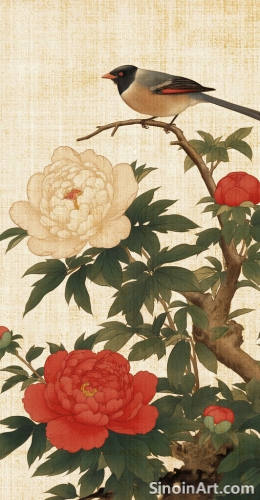 The depiction of Buddhist figures in Gongbi paintings often adheres to strict iconographic conventions, ensuring that each image is a faithful representation of the deity’s characteristics and attributes. The depiction of Buddhas and other divine figures is often a part of the process of meditation and devotion for the artist. The artworks become expressions of both artistic skill and spiritual devotion. 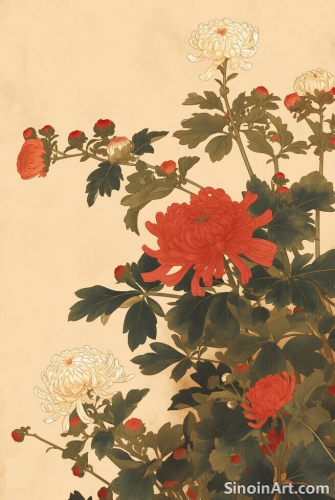 The use of color in Gongbi paintings of Buddhist figures is also highly symbolic. Colors like gold, white, and blue are often associated with divinity and purity and used to enhance the spiritual impact of the artwork. The use of specific colors helps to create the overall tone of the piece and reflects the symbolism of Buddhist traditions.  Beyond the depiction of Buddhist figures, Gongbi paintings also incorporate elements from Buddhist philosophy, such as the emphasis on mindfulness, compassion, and the interconnectedness of all things. These philosophical aspects enhance both the meaning and the meditative quality of the art. The emphasis on meticulous detail and precise execution in Gongbi painting aligns with the Buddhist emphasis on mindfulness and focused attention. The act of creating art in this way can be seen as a form of spiritual practice for both artist and viewer. The creative process can become a contemplative and devotional experience. Ultimately, the influence of Buddhist art on Gongbi painting adds a deeper layer of meaning and significance to the art form, creating works that are both aesthetically beautiful and spiritually profound. The infusion of spirituality adds an additional layer of meaning and significance to the works. |
Tag : Gongbi Buddhism, Buddhist art, spiritual painting, religious art, iconographic art
Related information
- The Use of Gold Leaf and Other Embellishments in Gongbi
- Collecting Gongbi: Insights and Considerations for Art Enthusiasts
- Gongbi Painting and the Concept of "Shanshui"
- Gongbi and the Art of Botanical Illustration
- Gongbi and the Court: Patronage and Artistic Standards in Imperial China
This article explores the use of gold leaf and other embellishments in Gongbi painting, detailing their application, symbolic significance, and contribution to the visual richness and overall aesthetic of the artwork.
This article provides insights for art enthusiasts interested in collecting Gongbi paintings, focusing on the importance of brushwork quality, authenticity, subject matter, composition, and proper care for these delicate artworks.
This article explores the relationship between Gongbi painting and the concept of "Shanshui," highlighting the presence of core Shanshui principles, such as the balance of yin and yang, the detailed rendering of nature, and the integration of humans into the natural order within Gongbi landscapes.
This article explores the relationship between Gongbi painting and botanical illustration, highlighting the meticulous detail, precise linework, accurate color layering, and how these techniques contribute to both artistic beauty and scientific accuracy in the depiction of plants.
The history of Gongbi painting is intrinsically linked to the imperial courts of China, where it flourished under the patronage of emperors and the elite classes. The demand for highly detailed and realistic depictions of the natural world and court life led to the development of the meticulous techniques and refined aesthetic characteristic of the Gongbi tradition. This patronage significantly shaped the evolution and preservation of this distinctive style.